Sonam Wangchuk down 9 kg on Day 19 of fast, says ‘don’t ask me to give up’
Source Entity
The Indian Express
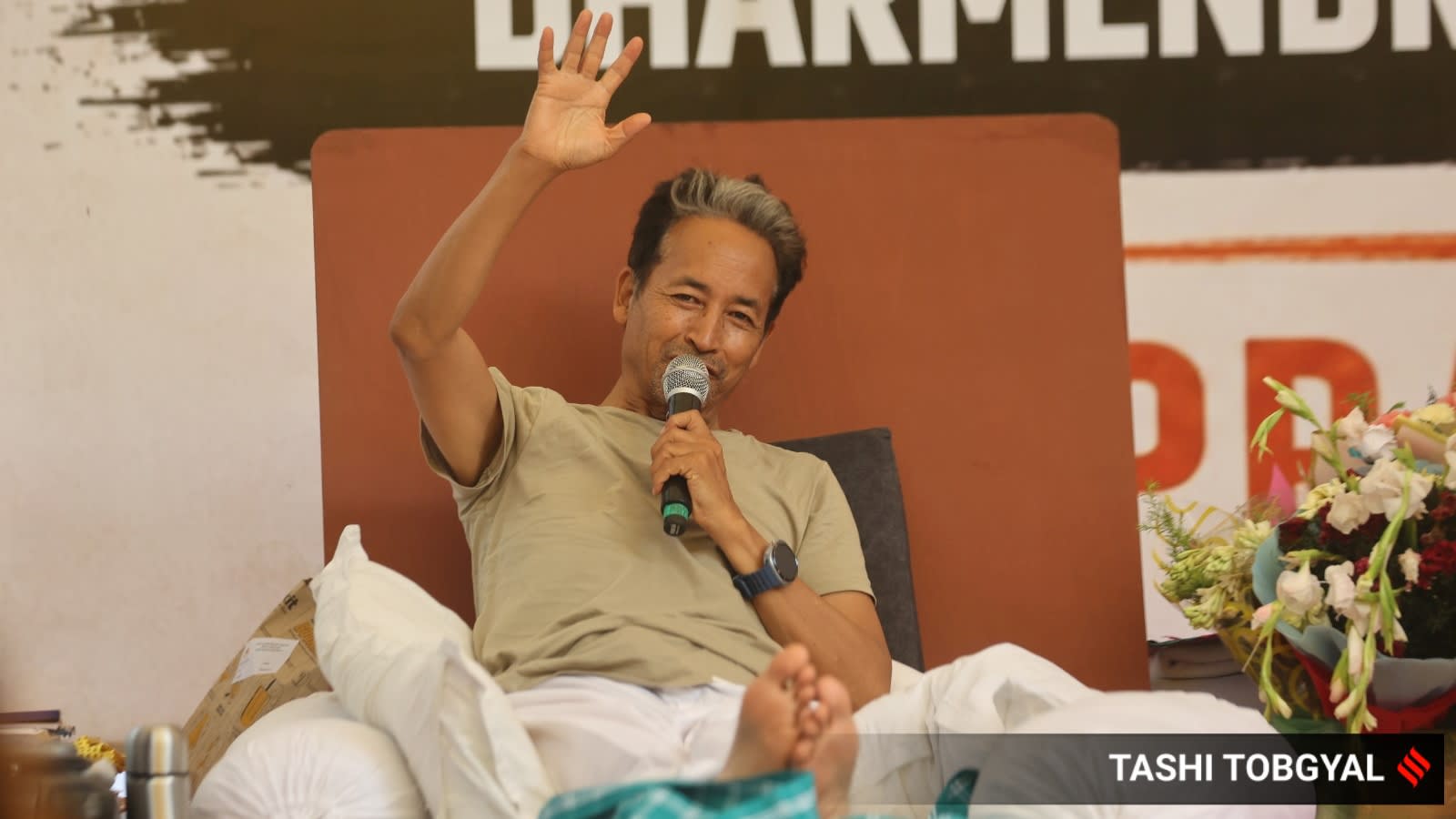
Activist Sonam Wangchuk has lost over 9 kg by the 19th day of his indefinite hunger strike at Delhi's Jantar Mantar. Despite the physical toll and medical warnings, Wangchuk remains steadfast in his demands for Ladakh's statehood and constitutional protections.
The Physical and Political Toll of Resolve: Analyzing Sonam Wangchuk's Hunger Strike
The recent report regarding Sonam Wangchuk's condition on the 19th day of his indefinite hunger strike at Jantar Mantar highlights a critical juncture in the ongoing struggle for Ladakh's political autonomy. The loss of over 9 kg in less than three weeks is a stark indicator of the severe physiological stress the activist is enduring. While medical professionals report that he remains stable, the rapid weight loss signals that the body is entering a state of ketosis and muscle wasting, raising the stakes for both the activist and the government. Wangchuk's defiant statement, "don’t ask me to give up," underscores a level of commitment that transcends personal health, framing the fast as a moral imperative rather than a mere political tactic.
The Core Demands: Statehood and the Sixth Schedule
To understand the gravity of this fast, one must look at the historical and political context of Ladakh. Following the reorganization of Jammu and Kashmir in 2019, Ladakh was established as a separate Union Territory. While initially welcomed by many, the lack of legislative power and the absence of safeguards for the region's fragile ecology and unique cultural identity led to widespread discontent. Wangchuk is spearheading the demand for Ladakh to be included under the Sixth Schedule of the Indian Constitution. This specific legal framework would allow for the creation of Autonomous District Councils, granting local communities significant control over land, forests, and water resources, thereby preventing unregulated industrial exploitation in a sensitive Himalayan ecosystem.
Medical Implications of Prolonged Fasting
From a clinical perspective, a 9 kg weight loss within 19 days is alarming. Prolonged hunger strikes lead to the depletion of glycogen stores, followed by the breakdown of fats and eventually lean muscle mass, including cardiac muscle. The stability mentioned by doctors is likely precarious; as the fast continues, the risk of electrolyte imbalance, kidney dysfunction, and weakened immunity increases exponentially. The medical monitoring at Jantar Mantar is not merely a health precaution but a political barometer, as the deteriorating health of a high-profile figure like Wangchuk often serves as a catalyst for government intervention to avoid the political fallout of a fatality during a peaceful protest.
The Environmental Dimension
Sonam Wangchuk is not merely a political activist but a renowned innovator and environmentalist. His fight is deeply intertwined with the preservation of the "Third Pole." By demanding the Sixth Schedule, he is advocating for a governance model that prioritizes ecological sustainability over rapid, unplanned urban development. The cold desert of Ladakh is highly susceptible to climate change and glacial melt; without local autonomy, there is a fear that central planning may overlook the nuanced environmental needs of the region in favor of strategic or commercial interests. This adds a layer of global relevance to his strike, as the health of the Himalayas affects water security for millions downstream.
Political Stalemate and the Central Government
The persistence of this hunger strike reflects a significant communication gap between the residents of Ladakh and the central administration. The government has historically balanced national security concerns in the border regions with the democratic aspirations of the local populace. However, the perceived inertia in addressing the "Four-Point Agenda"—which includes statehood, Sixth Schedule status, job reservations, and separate parliamentary seats—has pushed the movement toward extreme forms of protest. The silence or delayed response from the authorities often emboldens activists, turning a local administrative demand into a national symbol of resistance against centralized power.
Predicting Future Trends
Based on the trajectory of previous high-profile hunger strikes in India, the current situation is likely to reach a tipping point where the government will be forced to offer a compromise or a high-level committee to negotiate. As Wangchuk's health continues to decline, public sympathy and media visibility will likely increase, putting further pressure on the administration. We can expect a period of intense negotiation where the government may offer partial protections or a specialized administrative framework that stops short of full statehood but provides the local autonomy Wangchuk is seeking.
Conclusion
Sonam Wangchuk's fast is a poignant reminder of the tension between state governance and indigenous rights. The loss of 9 kg is a physical manifestation of a political struggle that has reached a critical mass. Whether this sacrifice leads to a constitutional breakthrough for Ladakh remains to be seen, but the unwavering resolve of Wangchuk has successfully shifted the spotlight back onto the precarious political and environmental state of India's northernmost frontier.