Blurred mobile video, witness stories: How Ankit Sharma case came together
Source Entity
Alok Singh
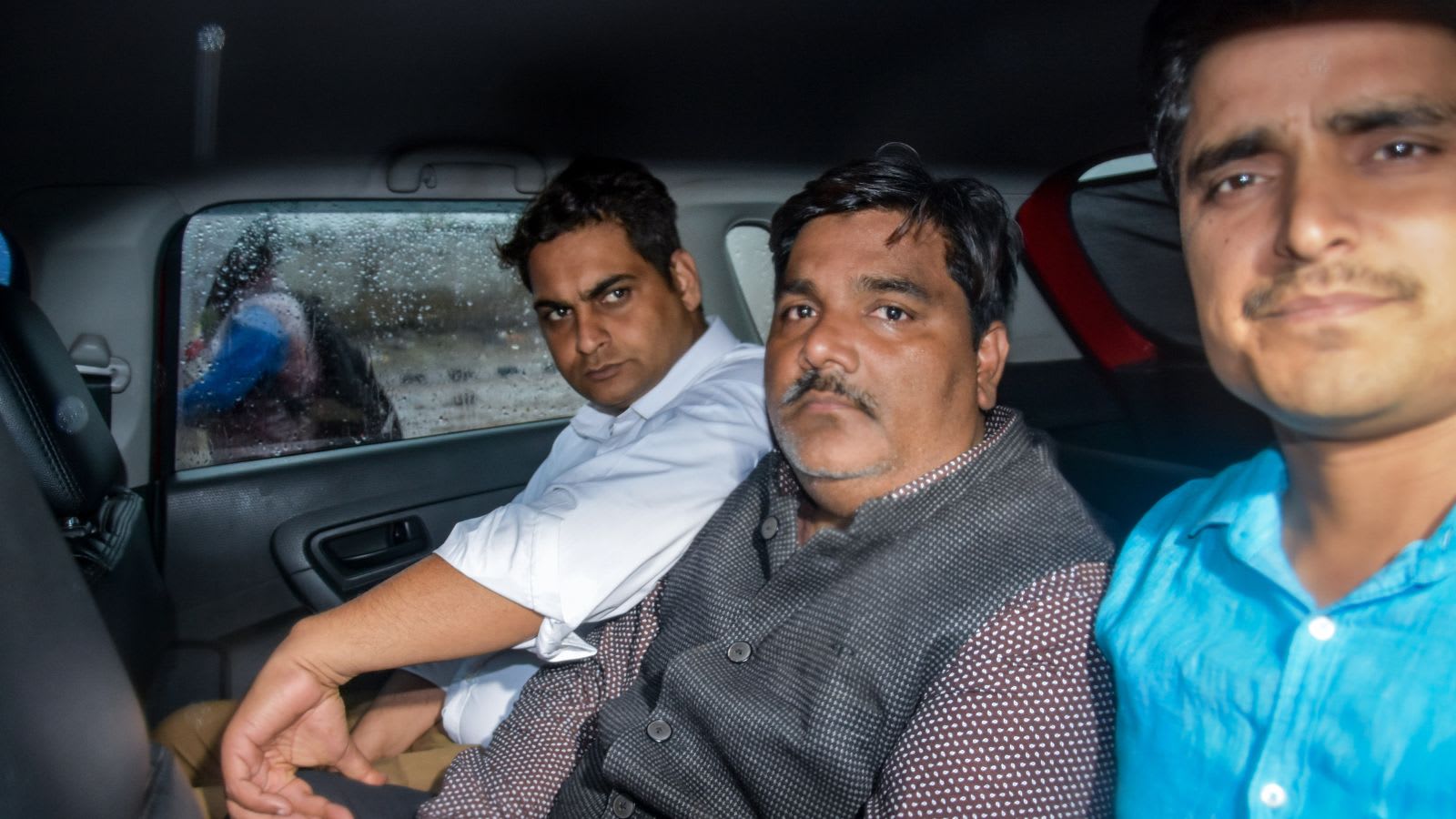
A blurred mobile video purportedly showing a semi-naked man being thrown into a drain at Chand Bagh in Northeast Delhi was the only visual evidence available to the police after the murder of Intellig...
Unraveling the Ankit Sharma Murder Case: A Study in Forensic Perseverance
The murder of Ankit Sharma in Northeast Delhi stands as a stark reminder of the brutality that can occur in densely populated urban centers and the subsequent challenges law enforcement faces when primary evidence is scarce. The case began with a grim discovery in the Chand Bagh area, where the victim's body was found, leaving investigators with little immediate lead. The initial phase of the investigation was characterized by a void of high-definition surveillance, a common hurdle in the narrow lanes of Northeast Delhi where formal CCTV coverage is often sporadic or non-functional.
The Pivot to Digital Fragments
Central to the breakthrough in this case was a blurred mobile video. In an era where high-resolution cameras are ubiquitous, the reliance on a 'blurred' clip highlights the precarious nature of digital evidence. However, from a forensic standpoint, such videos—though visually lacking—provide critical temporal and spatial data. By analyzing the metadata and the background landmarks visible in the grain, investigators were able to pinpoint the exact location and time the victim was discarded into the drain. This digital fragment transformed the investigation from a blind search into a targeted pursuit, demonstrating that even low-quality footage can serve as a catalyst for justice when analyzed with precision.
The Synergy of Witness Accounts and Visuals
While the video provided the 'where' and 'when,' the 'who' and 'why' were fleshed out through witness stories. The intersection of human intelligence (HUMINT) and technical evidence is where the case truly came together. Police painstakingly cross-referenced the events depicted in the mobile video with the testimonies of locals in Chand Bagh. This triangulation allowed the police to verify the movements of the suspects, filling the gaps left by the blurred imagery. The psychological pressure exerted on suspects often peaks when investigators can present visual evidence—no matter how blurred—that contradicts a suspect's alibi, leading to more consistent confessions and witness corroboration.
Analyzing the Modus Operandi
The detail of the victim being semi-naked and thrown into a drain suggests a calculated attempt to dehumanize the victim and conceal the crime. The choice of a drain as a disposal site indicates that the perpetrators were familiar with the geography of Northeast Delhi, seeking a location that would either delay discovery or allow the current to carry the body away. This specific act of disposal speaks to a level of desperation or a planned effort to erase the crime scene, which typically points toward a relationship between the victim and the perpetrators or a premeditated hit rather than a random act of violence.
Broader Implications for Urban Policing
This case underscores a shifting paradigm in Indian urban policing, where the 'citizen-camera' is becoming as vital as official surveillance. The fact that a mobile video—likely captured by a bystander or a nearby resident—became the linchpin of the case suggests that community-led documentation is increasingly filling the gaps in state infrastructure. For the Delhi Police, this highlights the necessity of developing better protocols for collecting and enhancing low-resolution community footage, as these 'digital crumbs' are often the only leads in hyper-local crimes.
Socio-Legal Challenges and Future Trends
Looking forward, the Ankit Sharma case will likely contribute to the legal discourse regarding the admissibility and weight of low-quality digital evidence in Indian courts. As defense attorneys challenge the clarity of 'blurred' videos, the judiciary will need to rely more heavily on expert forensic testimony to validate the authenticity of such clips. We can predict a trend where AI-driven image enhancement tools become standard in police investigations to turn 'blurred' evidence into identifiable leads, reducing the reliance on the chance discovery of witness stories.
Conclusion
The resolution of the Ankit Sharma case is a testament to the efficacy of combining fragmented digital evidence with traditional ground-level detective work. By synthesizing a blurred mobile video with the lived experiences of witnesses in Chand Bagh, the authorities were able to reconstruct a horrific crime and bring the perpetrators to light. This case serves as a blueprint for solving crimes in infrastructure-poor urban areas, emphasizing that persistence and the synthesis of diverse evidence streams are the keys to solving complex homicides.