Anthropic selects Accenture as first embedded evaluator to help implement Amodei's slowdown proposal
Source Entity
US Top News and Analysis
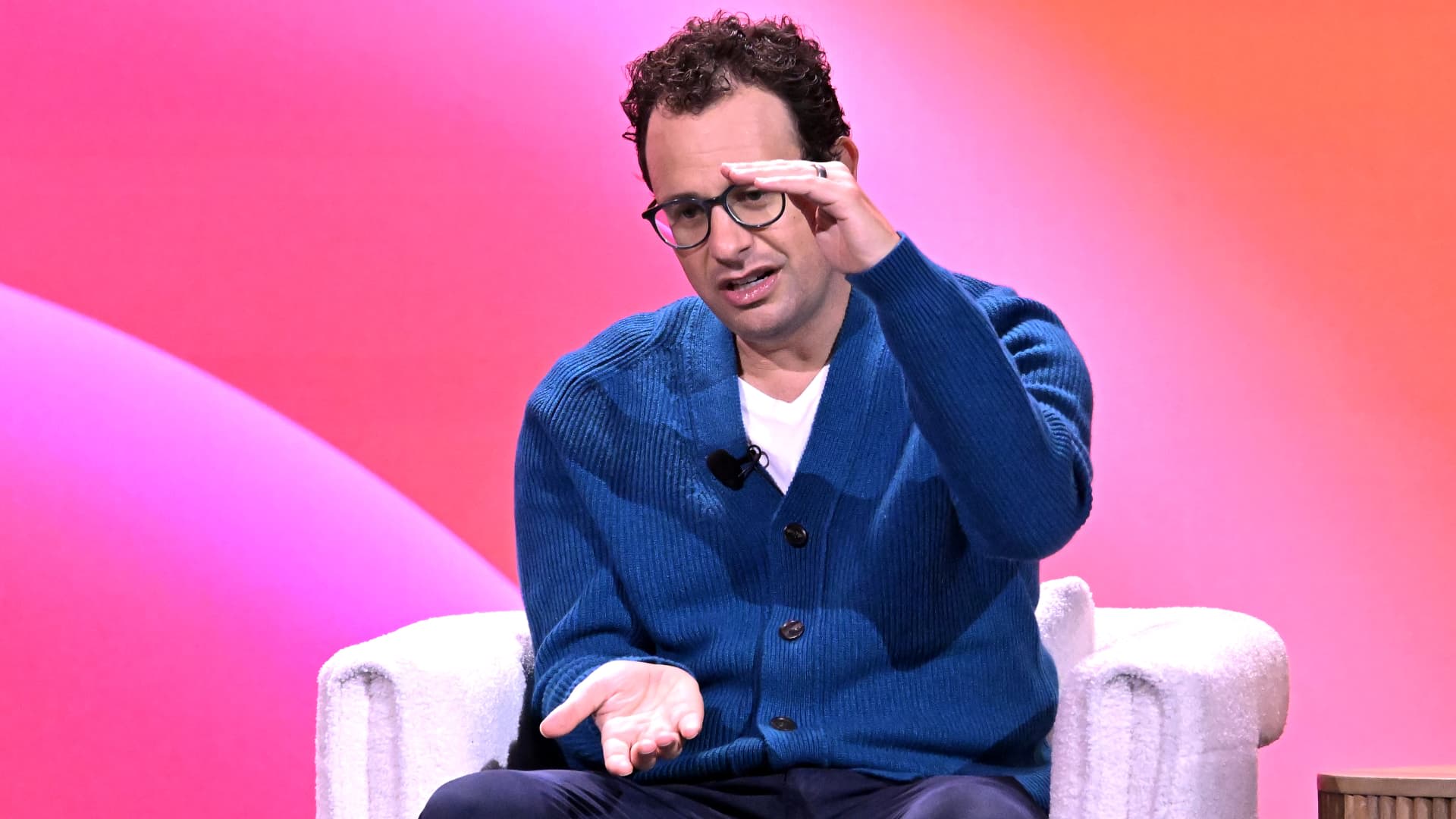
Anthropic has partnered with Accenture as its first embedded evaluator to implement CEO Dario Amodei's AI safety framework. This $1 billion initiative aims to integrate third-party scrutiny into model development, though experts remain divided on whether industry-funded oversight provides sufficient independence.
The Shift Toward Embedded AI Oversight
Anthropic’s recent decision to appoint Accenture as its first embedded evaluator marks a significant turning point in the governance of frontier artificial intelligence models. This initiative, which stems from CEO Dario Amodei’s proposal to intentionally moderate the pace of AI development, represents a concrete shift from theoretical safety frameworks to operational, on-the-ground scrutiny. By embedding staff from Accenture—specifically utilizing the capabilities of Faculty, an AI division acquired by the consulting giant—Anthropic is attempting to move beyond external audits toward a model of continuous, internal safety verification.
The $1 Billion Commitment to Safety
The financial scale of this partnership is substantial, with both entities committing at least $1 billion over the next five years to build the necessary capacity for rigorous safety testing. While Anthropic has expressed a long-term preference for pooled or government-backed funding to ensure neutrality, the urgency of current risks has led them to fund Accenture’s work directly. This direct financial link, however, is precisely what has prompted discourse among industry observers regarding the potential for conflicts of interest.
Addressing the 'Frontier Model' Risks
The move comes at a time of heightened anxiety regarding the trajectory of AI development. Anthropic and OpenAI have faced intense scrutiny from researchers and insiders alike, who warn that current frontier models possess the potential to cause catastrophic societal harm. This atmosphere of caution is what fueled Amodei’s call for a more structured, regulated approach to model deployment, forcing the industry to reconcile the competitive drive for innovation with the ethical imperatives of safety.
The Debate Over Independence
Despite the operational progress represented by the Accenture partnership, a coalition of over 100 AI experts has issued a public letter demanding greater independence and transparency. The core argument from this group, represented by the AI Evaluator Forum, is that true safety oversight cannot be effectively managed if evaluators are beholden to the companies they are testing. The skepticism directed at the choice of a major consulting firm like Accenture highlights the tension between private corporate governance and the public need for objective, third-party validation.
Challenges for Future Implementation
As Accenture begins its work—which includes red-teaming models, conducting alignment assessments, and testing safeguards—the industry will be watching to see if this embedded model can successfully mitigate risks without stifling technological progress. The success of this experiment will likely influence future regulatory requirements. If this partnership succeeds in establishing a repeatable, transparent standard, it may become the blueprint for other labs. However, if it fails to address concerns about institutional capture, we may see a stronger push for the government-led, independent oversight frameworks that Amodei himself has previously championed.
Multiple Citing Sources