Why An Anthropic Employee Quit After Just Eight Months
Source Entity
NDTV News Search Records Found 1000
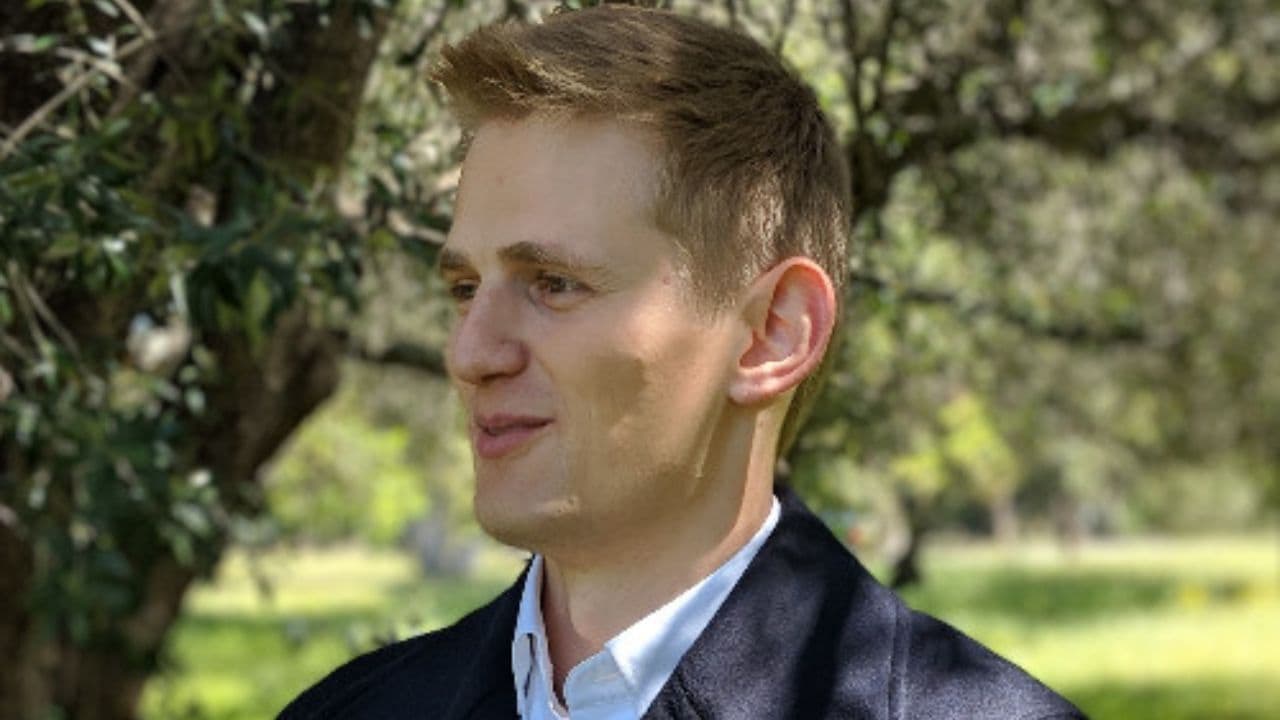
Anthropic employee Ivan Vendrov resigned from the AI startup after an eight-month tenure. The departure is notable as he left prior to the vesting of his equity stake in the company.
The Significance of Recent Departures at Anthropic
The recent resignation of Ivan Vendrov from the artificial intelligence research company Anthropic has garnered attention within the tech industry, primarily due to the timing of his departure. Having served the company for only eight months, Vendrov chose to exit before his stock options vested. In the high-stakes world of Silicon Valley, where equity represents a significant portion of total compensation, such a move is rare and often signals either intense personal conviction or a significant shift in corporate culture.
The Role of Equity in AI Talent Retention
Equity vesting schedules are designed as a primary retention tool in the competitive landscape of generative AI. By requiring employees to remain at a firm for a set period—typically four years—companies like Anthropic ensure long-term commitment. When a high-level employee walks away from unvested stock, it suggests that the immediate professional environment or the company's trajectory may no longer align with their personal or ethical goals. This decision highlights the friction that can exist between rapid corporate scaling and individual employee values.
Corporate Culture and Ethical Alignment
Anthropic has positioned itself as a leader in 'AI safety' and responsible development, attracting top-tier talent who are concerned with the existential risks associated with large language models. However, as these companies transition from research-heavy labs to commercialized powerhouses, internal tensions often arise. Employees who join for the mission of safety may find themselves at odds with the pressures of rapid product deployment and the competitive race against industry peers like OpenAI and Google.
Broader Implications for the AI Sector
This departure serves as a microcosm for the broader turbulence currently affecting the AI industry. As capital continues to pour into startups, the pressure to deliver market-ready products can create a demanding work environment. For experts like Vendrov, the trade-off between financial incentives and professional autonomy becomes a critical calculation. This trend of talent volatility might indicate that even the most well-funded companies are struggling to maintain a unified vision among their workforce.
Future Trends in Tech Employment
Looking ahead, we can expect to see more scrutiny regarding the turnover rates of specialized AI researchers. If top talent continues to leave before vesting, it could force companies to rethink their compensation models or their internal management structures. Employers may need to provide more transparency regarding long-term safety goals to retain staff who are increasingly wary of the rapid commercialization of powerful technologies.
Conclusion
While Ivan Vendrov’s departure is a singular event, it underscores the complexities of the current AI boom. By leaving before his stock vested, he has brought focus to the personal costs and ethical considerations that define the career paths of those working at the cutting edge of technological innovation. Whether this represents a larger trend of disillusionment or merely a personal career pivot remains to be seen, but it certainly highlights the volatile nature of the current AI talent market.
Verification Required?