‘All kinds of laws and tools being used to silence activists, dissenters’: Former Delhi HC Chief Justice
Source Entity
Pavneet Singh Chadha
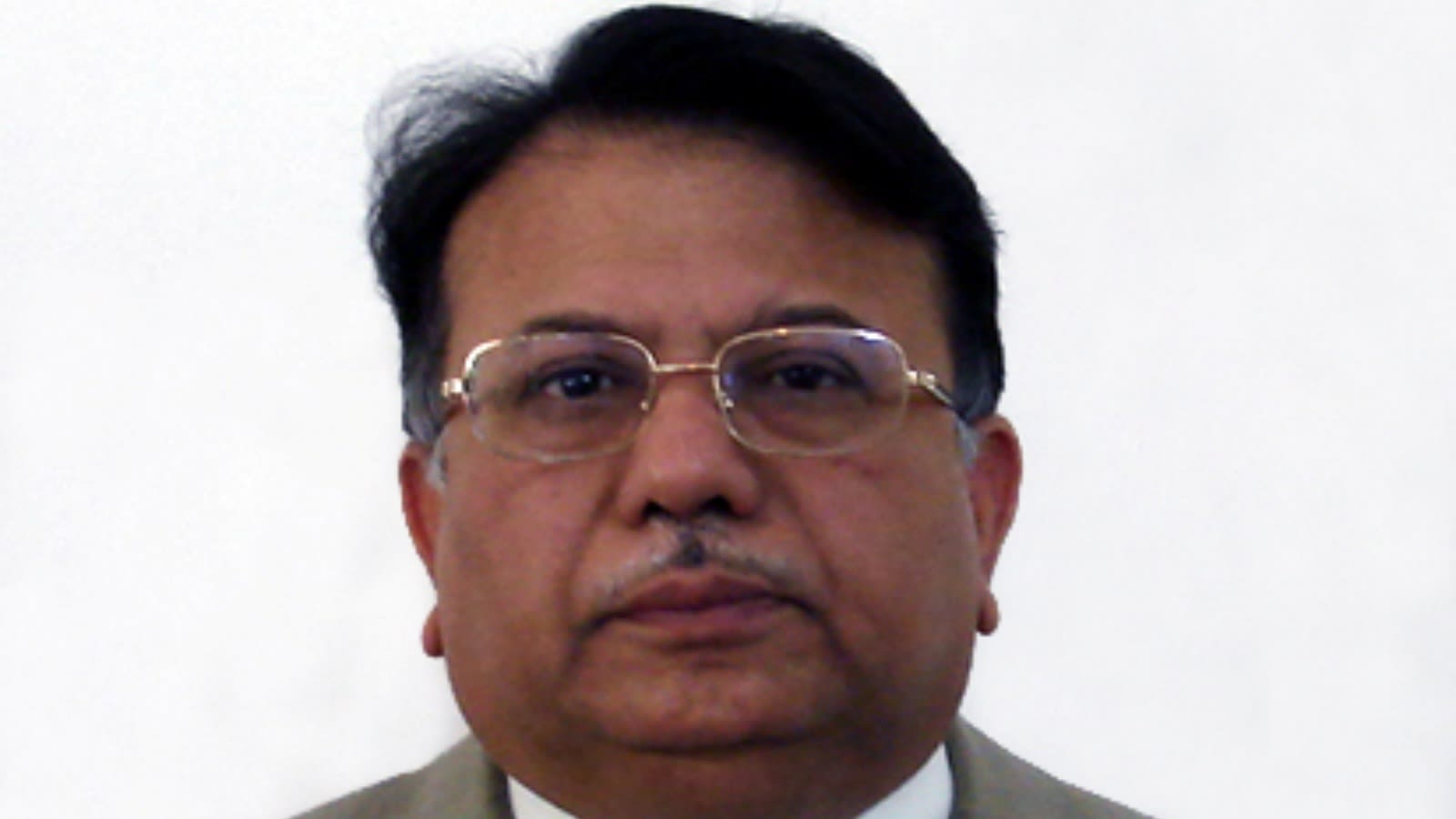
Former Delhi HC Chief Justice A.P. Shah has criticized the ongoing detention of activist Umar Khalid, citing it as an example of using legal tools to suppress dissent. He expressed concern over the shrinking number of independent-minded judges and the erosion of civil liberties in India.
The Erosion of Civil Liberties: A Judicial Perspective
Former Delhi High Court Chief Justice A.P. Shah recently delivered a poignant critique regarding the state of civil liberties in India, specifically highlighting the prolonged incarceration of activist Umar Khalid. Speaking at an event organized by the Goa High Court Bar Association, Justice Shah argued that the legal system is increasingly being utilized as a mechanism to silence activists and dissenters. This commentary serves as a significant intervention in the ongoing discourse regarding the intersection of national security laws and individual rights.
The Case of Umar Khalid
At the heart of Justice Shah’s concern is the case of Umar Khalid, who has been held under the Unlawful Activities Prevention Act (UAPA) in connection with the 2020 Delhi riots. Khalid has been awaiting trial for years, a situation Justice Shah contrasted sharply with the treatment of other offenders who often secure bail or walk free. This disparity highlights the systemic challenges faced by political dissenters, where the process itself—prolonged pre-trial detention—becomes a form of punitive action.
Shrinking Judicial Independence
Justice Shah expressed grave apprehension regarding the state of the Indian judiciary, noting that while independent-minded judges still exist, their number is “shrinking by the day.” This observation points to a broader concern about judicial autonomy in an era where political pressure and public discourse are increasingly polarized. The independence of the bench is historically viewed as the final bulwark against executive overreach, and any perceived decline in this independence carries profound implications for the health of Indian democracy.
Dissent and the Democratic Process
Drawing upon the legacy of Justice H.R. Khanna, Justice Shah emphasized the historical importance of freedom of speech and expression. He noted that the Supreme Court has traditionally upheld the link between democratic ideals and the ability to voice dissenting opinions. The argument presented is that a functioning democracy requires tolerance for diverse viewpoints, and that the suppression of political protest—such as the filing of FIRs against youth demanding political accountability—stifles public education and institutional health.
Legal Tools and the Culture of Silence
Justice Shah further suggested that a variety of legal tools are being repurposed to silence activists. This trend suggests a shift where the law is no longer just a neutral arbiter but a weapon used to manage social and political opposition. When the state utilizes such measures to handle criticism, it fundamentally shifts the balance of power, discouraging civic participation and creating a climate of self-censorship among the youth and civil society actors.
Future Implications for Indian Democracy
Looking ahead, the issues raised by Justice Shah underscore a critical inflection point for the Indian legal system. The sustainability of a democratic society depends heavily on the judiciary’s ability to remain impartial and protect the rights of the individual against the state. If the trend of using harsh anti-terror laws to manage political dissent continues, the foundational principles of tolerance and free expression may suffer long-term damage, potentially altering the democratic character of the nation.
Multiple Citing Sources