The other Sean Byrne doesn't exist
Source Entity
Hacker News
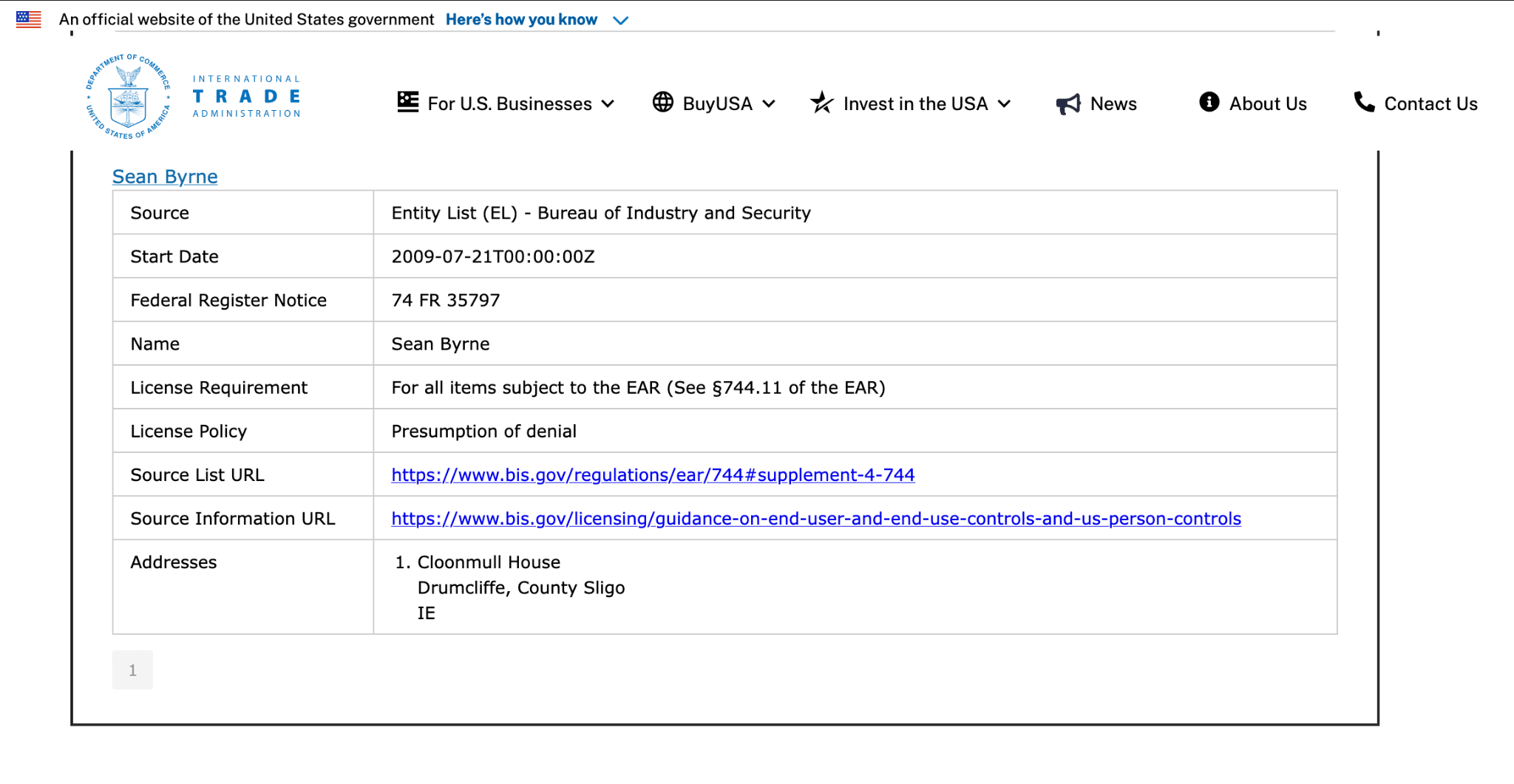
Developer Sean Joseph Byrne has been denied access to Apple's App Store Connect due to a false positive match on a U.S. government restricted-party list. Despite providing personal identification to prove he is not the individual named in the sanctions, Apple has yet to resolve the case.
The Algorithmic Gatekeeper: A Case of Identity Misidentification
In an increasingly automated digital ecosystem, the intersection of government compliance and corporate platform management has created a precarious situation for independent developers. Sean Joseph Byrne, an App Store developer, recently found his professional livelihood halted when Apple denied him access to App Store Connect. The company cited a match between his identity and an individual on the U.S. government consolidated screening list, a repository of individuals and entities subject to trade sanctions or restricted from certain business activities.
The Failure of Automated Screening
The core of this issue lies in the reliance on automated screening processes. Apple’s internal compliance protocols flagged Byrne based on broad criteria that failed to account for differentiating factors such as location history and legal residency. Despite Byrne providing his passport and driver’s license—documents explicitly designed to confirm identity—the platform’s administrative response remained rigid. This highlights a systemic vulnerability in how large corporations handle sensitive government data: when an algorithm flags a user, the burden of proof is often shifted entirely onto the individual, with little recourse for human oversight.
The Burden of False Positives
Byrne’s experience brings to light the broader implications of "guilt by association" in digital commerce. By flagging him based on a name match, Apple effectively applied the weight of U.S. sanctions law to a private citizen without due process. Byrne’s attempt to clear his name by pointing out discrepancies—specifically that he has never resided in County Sligo, Ireland, the location linked to the restricted party—was met with administrative silence. This suggests that while corporations are quick to adopt automated compliance tools to avoid federal penalties, they often lack the infrastructure to handle the inevitable false positives that arise from such tools.
Implications for the Developer Ecosystem
For developers, the App Store is not just a marketplace; it is an essential utility for business. When a tech giant unilaterally restricts access based on flawed data, it poses a direct threat to the developer's income and professional reputation. The lack of an escalation path for identity verification reveals a significant gap in corporate accountability. If a developer cannot reach a human representative to rectify a simple administrative error, the ecosystem becomes hostile to legitimate contributors who happen to share names with restricted entities.
The Future of Compliance and Transparency
As governments continue to expand the scope of restricted-party lists to address global geopolitical tensions, the pressure on tech companies to enforce these rules will only intensify. However, without a mandate for transparency and a fair appeals process, companies risk alienating their user base through over-zealous enforcement. The case of Sean Joseph Byrne serves as a critical reminder that while security is paramount, the reliance on rigid, opaque algorithms without human-in-the-loop verification processes is an unsustainable model for modern digital governance.
Conclusion
The situation remains unresolved, leaving Byrne in a professional limbo. This incident underscores a vital need for clearer guidelines on how tech platforms handle identity mismatches. Until Apple and similar entities implement more robust, transparent resolution channels, individual developers remain vulnerable to the unintended consequences of automated global compliance.