Hi-Fi Tape Recorder Changed Radio Forever
Source Entity
Hacker News
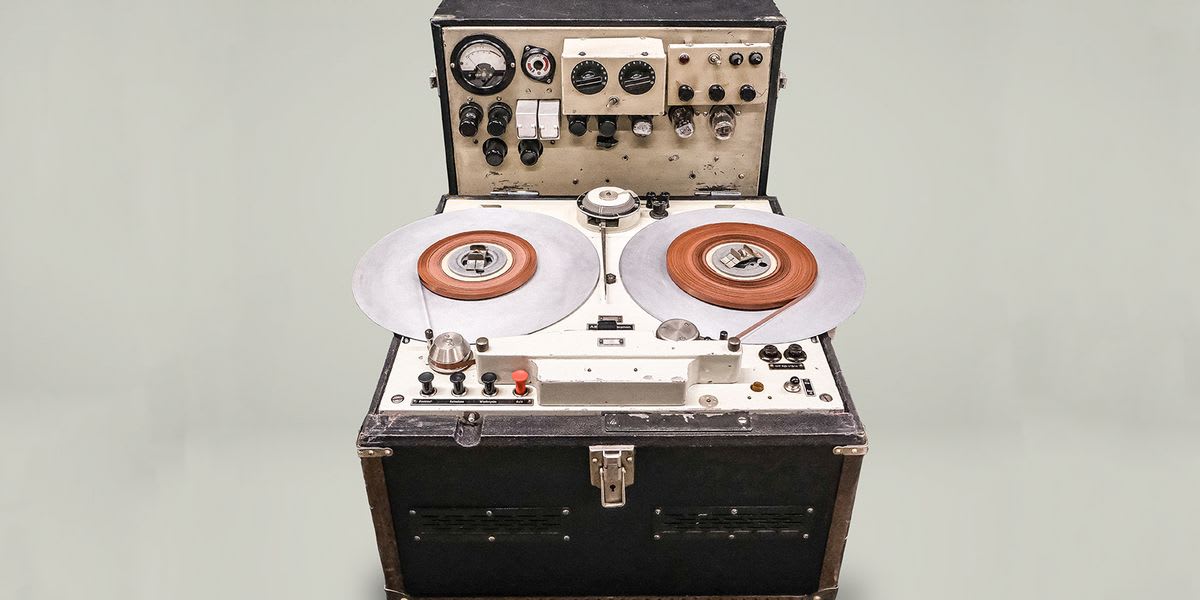
The Magnetophon, a groundbreaking 1935 German magnetic tape recorder, revolutionized radio and entertainment production. Its post-war adoption by figures like Bing Crosby led to the development of the laugh track and modern recording standards.
The Magnetophon: An Accidental Revolution in Sound
In the annals of audio history, few inventions have left as indelible a mark as the Magnetophon. Debuting at the 1935 Berlin Radio Show, this high-fidelity reel-to-reel magnetic tape recorder was developed by the German electronics firm AEG. Its emergence was not merely a triumph of engineering but a convergence of industrial ambition and serendipity. The magnetic tape itself, a technological marvel of the era, was produced by I.G. Farben, the corporate predecessor to the modern chemical giant BASF.
The Origins of Magnetic Recording
The conceptual foundation of the Magnetophon lay in the work of German inventor Fritz Pfleumer. Pfleumer envisioned a method to capture sound by applying magnetized metal coatings onto paper tape. This radical departure from the limitations of wax cylinders and phonograph discs allowed for a fidelity and durability previously unheard of. By leveraging the expertise of I.G. Farben in chemical coating processes, AEG transformed Pfleumer’s theoretical model into a viable commercial product that would eventually render existing recording methods obsolete.
War, Spoils, and Technological Migration
The trajectory of the Magnetophon is inextricably linked to the geopolitical turbulence of the 20th century. During World War II, the technology remained largely a German secret, utilized by the Third Reich for high-quality broadcasts. Following the conclusion of the war, the technology was seized as a spoil of war. This transfer of intellectual property from Germany to the United States proved to be a pivotal moment for global broadcasting and the burgeoning entertainment industry, facilitating the rapid adoption of magnetic tape in Western studios.
Bing Crosby and the Birth of the Laugh Track
Perhaps the most fascinating legacy of the Magnetophon involves the American crooner Bing Crosby. Seeking to balance his immense popularity with the desire for a more flexible work schedule, Crosby saw the potential of magnetic tape to pre-record his radio programs. By recording his shows in advance, he effectively liberated himself from the rigid demands of live broadcasting. During these sessions, editors discovered that they could manipulate the audience response, eventually leading to the invention of the 'laugh track' to fill gaps and enhance the perceived energy of recorded performances.
Broader Implications and Future Trends
The transition from live, error-prone broadcasting to the precision of tape recording fundamentally shifted the entertainment landscape. The ability to edit, splice, and refine audio content paved the way for modern music production and television editing standards. Today, while magnetic tape has largely been superseded by digital storage, the fundamental shift in production philosophy—moving from 'capture-as-it-happens' to 'curated post-production'—remains the gold standard in media creation.
Conclusion
From the humble ambition of a German engineer to the global stage of Hollywood, the Magnetophon stands as a testament to how niche technological innovations can reshape culture. It serves as a reminder that the tools we use to capture our reality are often the result of complex, sometimes accidental, historical currents. As we look toward the future of media, the legacy of the Magnetophon remains a foundational chapter in our ongoing quest to perfectly preserve and manipulate the human experience.