Why Apple is finally making its own smart home devices
Source Entity
Jennifer Pattison Tuohy
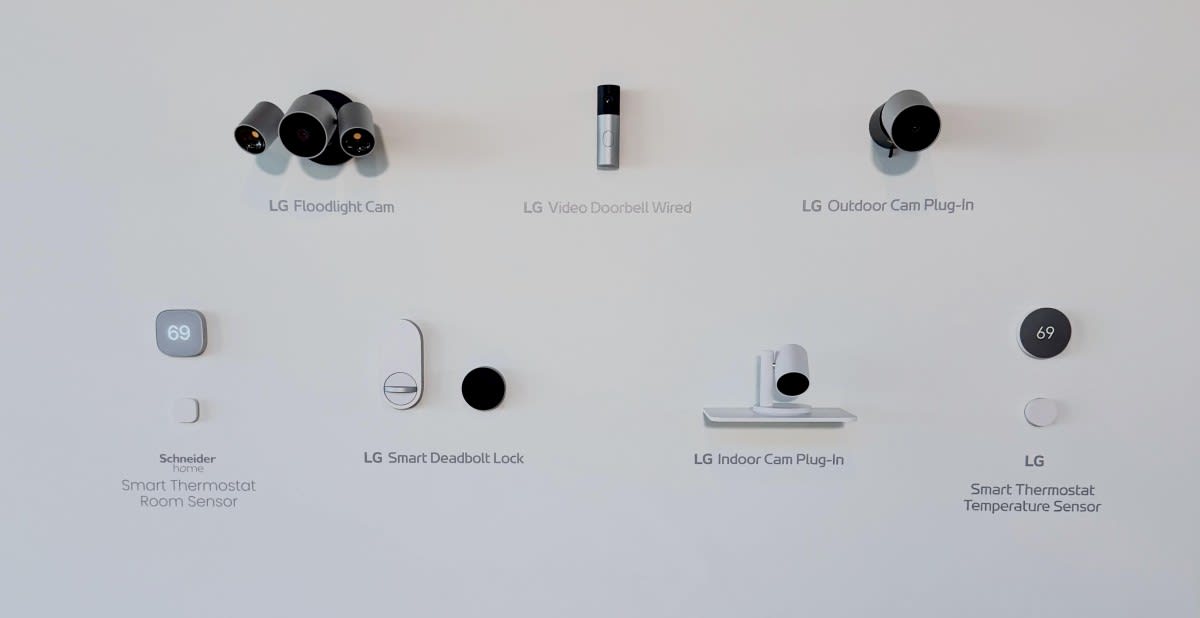
Apple has launched the HomeView smart display and a new Home Collection of smart home hardware developed with partners. However, questions remain regarding the device's reliance on CarPlay rather than a native app platform.
Apple Enters the Smart Home Hardware Market
After over a decade of relying on third-party manufacturers to populate its HomeKit ecosystem, Apple has officially shifted its strategy by launching the Apple Home Collection. This new lineup, which includes cameras, thermostats, sensors, a smart door lock, and a video doorbell, represents a significant pivot for the company. By co-developing these products with established industry players like LG Electronics and Schneider Electric, Apple is signaling a more hands-on approach to controlling the end-to-end smart home experience.
The Debut of HomeView
Central to this new hardware push is the Apple HomeView, the company’s first dedicated smart display. Given that the device is always connected to power and possesses considerable computing power, expectations were high that it would serve as a robust, standalone hub for native applications. However, initial reports indicate that the device relies heavily on CarPlay integration, leaving industry observers and consumers questioning Apple’s long-term vision for the hardware.
The App Platform Conundrum
One of the most pressing questions following the announcement is why Apple opted against creating a dedicated app platform for the HomeView. Despite the device's technical capability to support a wide range of software, the reliance on CarPlay suggests a strategy that prioritizes cross-platform continuity over a bespoke home-centric interface. This decision has sparked debate regarding the utility of the device and whether it can truly compete with more mature ecosystems.
Comparing Ecosystem Maturity
Apple’s move into proprietary hardware is a direct reaction to the relative stagnation of the HomeKit ecosystem over the last 12 years. While competitors like Amazon and Google have successfully integrated popular in-house brands—specifically Ring and Nest—into their platforms, Apple’s ecosystem has often been perceived as underdeveloped. By launching the Home Collection, Apple is attempting to bridge this gap and provide a more cohesive, integrated experience for its users.
Future Trends and Market Implications
As Apple continues to refine its smart home strategy, the industry will be watching to see if the company eventually opens HomeView to third-party developers. The tension between Apple’s desire for a closed, secure ecosystem and the need for a versatile, app-driven smart home hub will likely dictate the success of the HomeView. If Apple fails to leverage the computing power of the device for a broader range of applications, it may struggle to convince users to switch from the more robust, feature-rich ecosystems currently offered by its primary rivals.