Apple’s new smart home line-up includes a smart lock, thermostat and video doorbells
Source Entity
Lauren Forristal
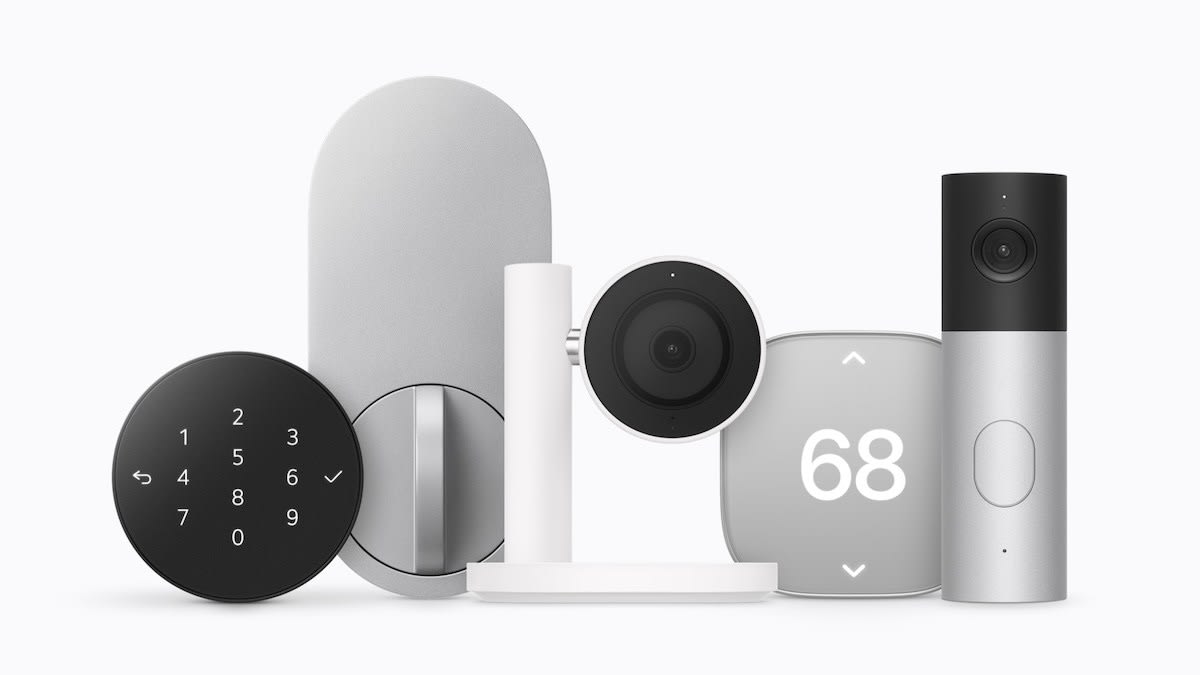
Apple has officially entered the smart home hardware market with the launch of the HomeView hub and a suite of smart accessories. These new devices, including a smart lock and thermostat, aim to compete directly with Amazon and Google's established home ecosystems.
Apple Enters the Smart Home Ecosystem
Apple has officially signaled a major strategic pivot toward the smart home sector with the unveiling of its new HomeView hub and the comprehensive 'Apple Home Collection.' This move marks a significant departure from the company's historical tendency to focus primarily on individual mobile and computing devices, suggesting a newfound commitment to becoming the central nervous system of the modern household. By introducing a dedicated 7-inch smart display and a suite of security-focused hardware, Apple is positioning itself to challenge the long-standing dominance of Amazon’s Ring and Google’s Nest.
The Role of HomeView
At the heart of this expansion is HomeView, a $299 smart display that functions as both a control center and an entertainment hub. Designed with a 7-inch Liquid Retina Display, it offers a versatile form factor that can be mounted on walls or placed on countertops. The integration of Siri AI allows for personalized interactions, as the device is designed to recognize users and tailor experiences based on who is standing in front of it. By incorporating FaceTime capabilities, music streaming, and core apps like Calendar and Photos, Apple aims to make the device an indispensable household tool rather than just a remote control for lights.
Strategic Partnerships and Hardware
The Apple Home Collection represents an ambitious expansion into physical security and climate control. The lineup includes a smart deadbolt, video doorbell, thermostat, and temperature sensors. Notably, Apple has opted for a collaborative approach by partnering with industry veterans LG Electronics and Schneider Electric to manufacture these components. This indicates that Apple is prioritizing proven reliability and established engineering standards to ensure their smart home ecosystem is robust from day one, rather than relying solely on internal development for every peripheral.
Privacy and Personalization
Apple has emphasized that these new products are built upon three core pillars: intelligence, personalization, and privacy. Given the sensitivity of home security data, Apple’s focus on privacy is likely to be a key marketing differentiator against competitors. By utilizing Siri AI, the HomeView hub aims to provide a more intuitive user experience that anticipates household needs, moving away from simple voice commands toward a more proactive, personalized automation environment.
Market Implications and Future Outlook
The smart home market is currently saturated with fragmented ecosystems, and Apple’s entry suggests a push toward greater standardization and user-centric design. By launching the HomePod Mini 2 and the updated Apple TV 4K alongside these new smart home tools, Apple is creating a cohesive 'walled garden' for the home. As these products become available in December, the company will likely leverage its massive existing user base to gain rapid market share. If successful, this ecosystem could fundamentally shift how consumers interact with their living spaces, prioritizing seamless hardware integration and high-end aesthetics over the purely functional approach often seen in existing smart home devices.