Is Bitcoin kidding itself about the Lightning Network?
Source Entity
Cointelegraph by Christina Comben
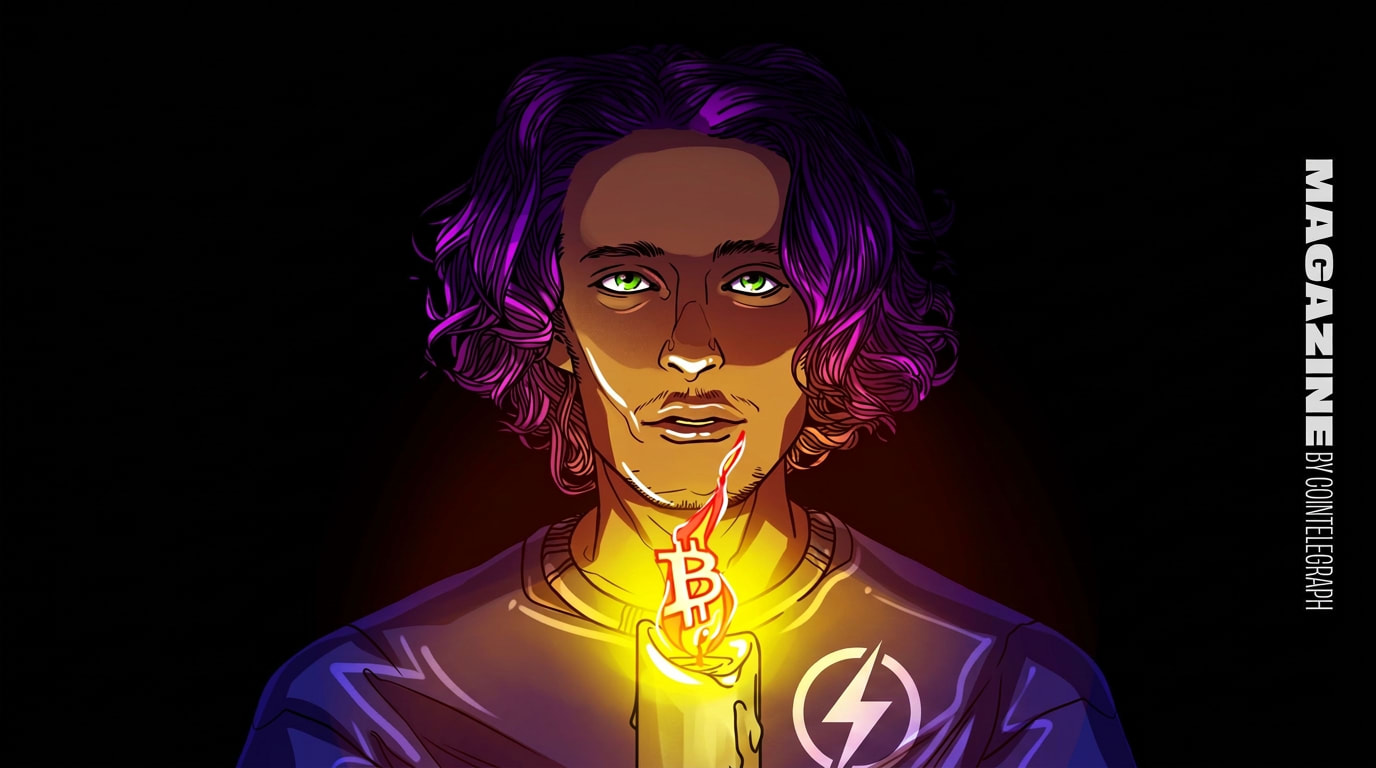
Bitcoin developer Paul Sztorc has sparked controversy by claiming the Lightning Network suffers from poor usability and over-reliance on custodial services. He characterizes the promotion of the network's success as a deceptive campaign, drawing comparisons to the Theranos fraud scandal.
The Lightning Network Controversy: A Critical Assessment
Challenging the Bitcoin Narrative
Bitcoin developer Paul Sztorc has ignited a fierce debate within the cryptocurrency community by publicly criticizing the Lightning Network (LN). In a series of statements posted to X on October 4, Sztorc challenged the prevailing narrative that the Lightning Network has achieved seamless usability and widespread adoption. By asserting that Bitcoiners are effectively 'lying to themselves,' he has forced a confrontation regarding the technical and practical limitations of the layer-two scaling solution.
The Custodial Concern
At the heart of Sztorc's critique is the reliance on custodial services. He claims that over 80% of payments on the Lightning Network are processed through these centralized intermediaries. This is a significant point of contention for a network originally designed to uphold the ethos of decentralization and self-custody. If the majority of users must rely on third-party services to access the network, the argument follows that the Lightning Network may not be achieving its primary goal of trustless, peer-to-peer microtransactions.
Allegations of Deception
Sztorc’s rhetoric has been notably aggressive, comparing the marketing of the Lightning Network's user experience to the fraudulent practices of Elizabeth Holmes and Theranos. By framing the promotion of LN as a 'vast campaign of fraud,' he suggests that the technical hurdles—such as liquidity management, channel failures, and complexity—are being systematically downplayed or ignored by developers to maintain confidence in the ecosystem.
Technical and Adoption Hurdles
While proponents often highlight improved throughput and lower fees, the practical reality for the average user remains complex. The requirement for users to manage channels, maintain uptime, and navigate liquidity constraints has historically hindered mass adoption. Sztorc’s input highlights a growing tension between the 'ideal' vision of a scalable Bitcoin and the 'actual' friction-filled experience reported by many participants in the network.
Future Implications for Bitcoin
This critique serves as a necessary, albeit harsh, stress test for the Bitcoin community. If the reliance on custodial services is indeed as high as Sztorc suggests, the network faces a critical juncture. The community must decide whether to prioritize user experience through centralization or to double down on the difficult task of making non-custodial, decentralized Lightning transactions intuitive for everyday users.
Conclusion
Paul Sztorc’s assessment forces a deeper look at the reality behind the marketing of the Lightning Network. Whether his comparison to historical corporate fraud is accurate or hyperbolic, the underlying questions regarding custodial dependency and usability are essential for the long-term viability of Bitcoin as a global payment rail. As the debate continues, the focus will likely shift toward whether the network can evolve beyond its current limitations.