Apple’s first smart display is the 7-inch HomeView for $299
Source Entity
Scharon Harding
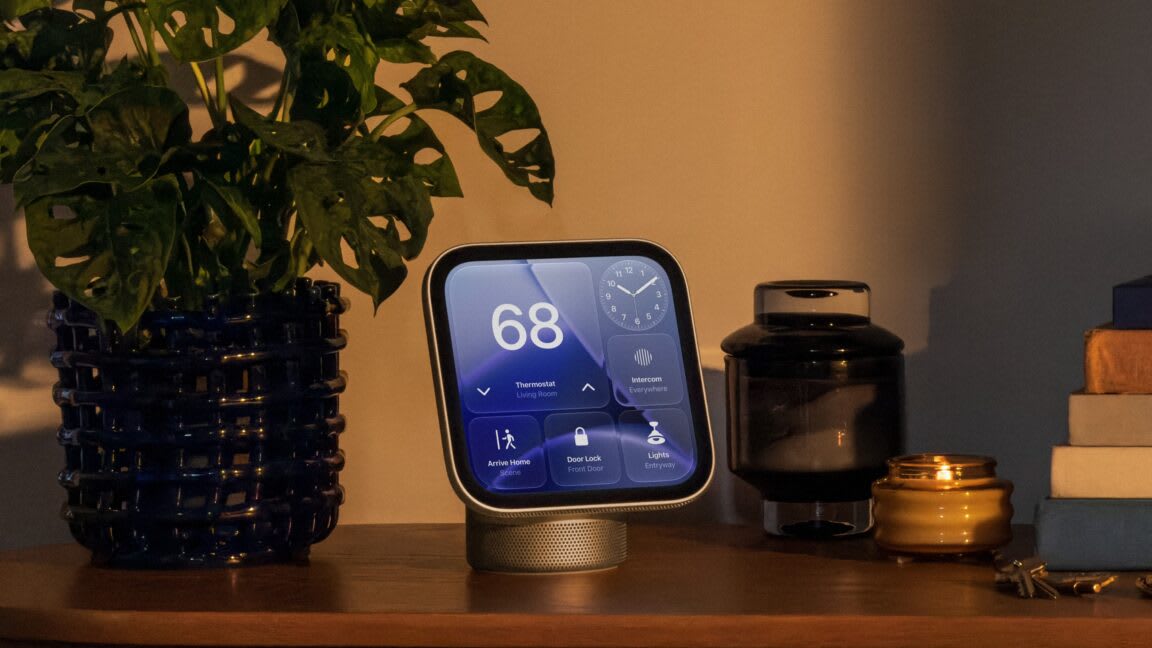
Apple has officially entered the smart display market with the launch of HomeView, a seven-inch Siri-powered hub designed for home control and communication. The device debuted alongside the new HomePod Mini 2 and Apple TV 4K at the company's 'Welcome Home' event.
Apple Enters the Smart Display Arena with HomeView
Apple has officially signaled a major strategic pivot in its consumer hardware roadmap with the unveiling of HomeView, a long-rumored smart home hub. This device, introduced at Apple’s 'Welcome Home' event, represents the company's first direct attempt to challenge the dominance of the Amazon Echo Show and Google Nest Hub. By integrating a seven-inch Liquid Retina display into a design reminiscent of the iconic iMac G4, Apple is positioning itself to become the central nervous system of the modern smart household.
Design and Functionality
The HomeView hardware is designed for versatility, available in two configurations: a countertop model and a wall-mountable version. Measuring seven inches wide, the device serves as a multifunctional hub capable of managing smart home peripherals, conducting FaceTime calls, and providing media playback for music, podcasts, and video. By preloading essential services like Calendar, Messages, Photos, and Reminders, Apple is clearly aiming to make the device an indispensable daily utility rather than a mere peripheral.
Intelligence and Personalization
At the core of the HomeView experience is Siri AI, which Apple claims makes the device both intelligent and deeply personal. The company emphasized that the display is designed to be personalized the moment a user steps in front of it, suggesting the integration of advanced proximity and identity sensors. This focus on individual recognition aims to solve one of the biggest hurdles in smart home adoption: creating a shared device that still caters to the specific needs of different family members.
A Unified Ecosystem Strategy
The launch of HomeView was accompanied by a broader refresh of Apple’s home ecosystem, including the HomePod Mini 2 and the updated Apple TV 4K. Furthermore, Apple introduced the 'Apple Home Collection,' a series of security and smart home accessories developed in collaboration with trusted third-party manufacturers. This strategy suggests that Apple is not just selling a single device, but is instead building a cohesive, interconnected 'walled garden' for the home that prioritizes the core principles of intelligence, personalization, and privacy.
Future Implications for the Smart Home Market
By entering the smart display segment at a $299 price point, Apple is positioning its hardware as a premium alternative to existing market leaders. The success of this move will likely depend on how well the device integrates with Apple’s existing software ecosystem and whether the 'Apple Home Collection' can attract users who are currently entrenched in competitors' platforms. As the smart home market matures, Apple's emphasis on privacy and local processing—implied by its marketing—may serve as a significant competitive advantage against rivals that rely more heavily on cloud-based data processing.
Conclusion
The 'Welcome Home' event marks a definitive step for Apple as it seeks to extend its brand presence beyond the pocket and into the center of the living space. With a robust lineup of hardware and a clear focus on integrated, user-centric functionality, HomeView is poised to test whether Apple can replicate its mobile success within the complex and fragmented landscape of home automation.
Multiple Citing Sources