Volvo makes a bigger bet on Nvidia
Source Entity
Kirsten Korosec
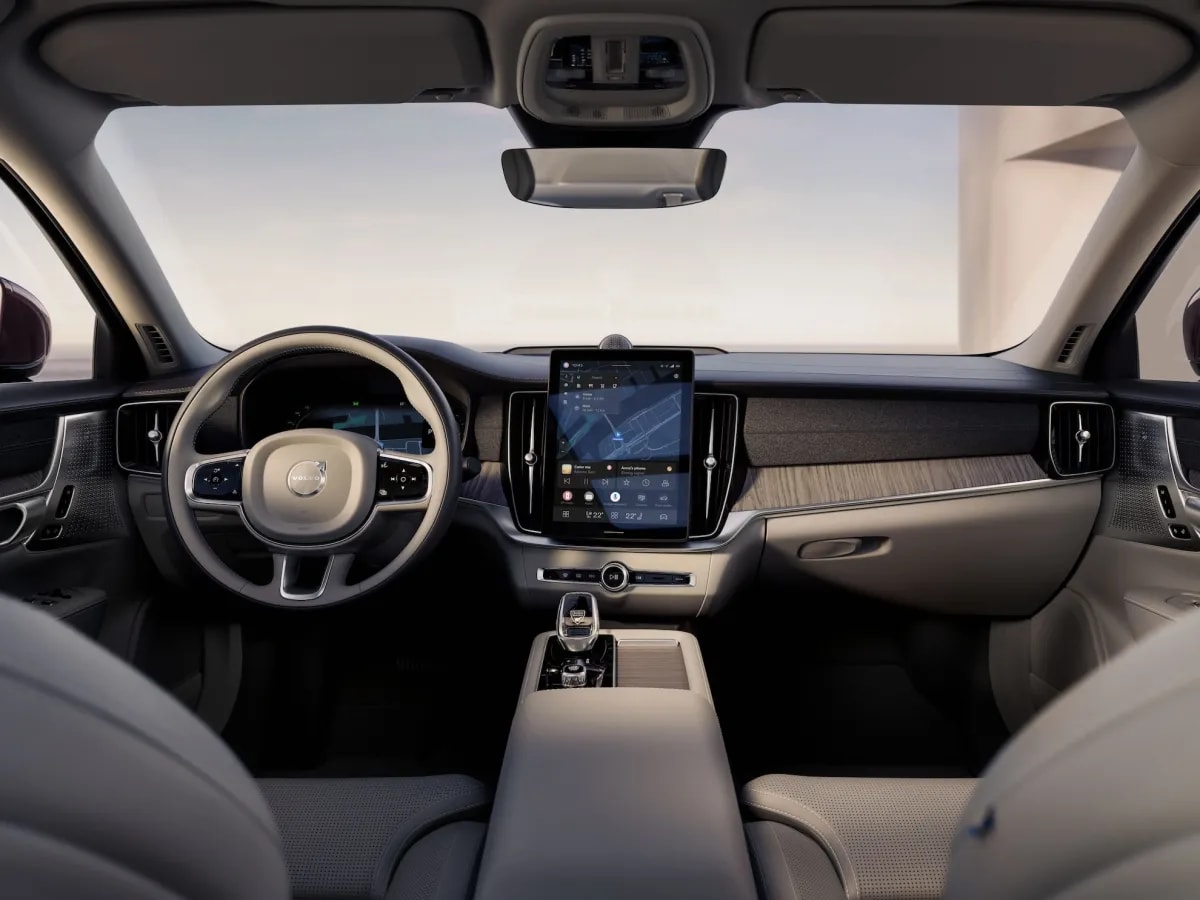
Volvo is deepening its decade-long partnership with Nvidia to integrate advanced AI hardware and software into its future vehicle lineup. This collaboration aims to enable Level 2++ hands-free, point-to-point driving capabilities by 2030, capable of navigating complex urban environments.
Volvo and Nvidia: A Strategic Evolution in Automotive AI
Volvo’s recent announcement marks a significant escalation in its long-standing partnership with Nvidia, signaling a transition from basic driver assistance to sophisticated, point-to-point autonomous capabilities. By integrating Nvidia's comprehensive hardware and software ecosystem, Volvo is positioning itself to compete directly in the high-stakes arena of supervised autonomous driving. This move reflects a broader industry trend where legacy automakers are increasingly relying on specialized tech giants to bridge the gap between traditional mechanical engineering and the complex requirements of modern AI-driven mobility.
The Technological Foundation
The core of this expansion involves the integration of three critical Nvidia components: the Hyperion sensor and compute architecture, the Alpamayo driving software stack, and the Halos safety evaluation layer. This multi-layered approach is designed to provide the necessary redundancy and diversity required for high-stakes autonomous navigation. By combining Volvo’s established expertise in vehicle safety systems with Nvidia’s AI models and simulation datasets, the partnership aims to create a robust framework capable of handling the unpredictability of real-world driving environments.
Defining Level 2++ Capabilities
Volvo has explicitly targeted a 'Level 2++' classification for its upcoming system, which is intended to mirror the functionality of systems like Tesla’s Full Self-Driving (Supervised). Unlike basic cruise control or lane-keeping, this technology is designed to manage complex urban scenarios—including unprotected left turns, stop signs, and traffic lights—without continuous driver intervention. This shift represents a major milestone for the automaker, as it attempts to move beyond highway-only assistance into the more volatile landscape of city streets.
Strategic Implications for the Automotive Sector
This partnership underscores the necessity of deep technical integration in the race toward 2030. For Volvo, leveraging Nvidia’s Alpamayo software stack allows the company to accelerate its development cycle by utilizing advanced simulation and development tools. This collaborative model is likely to become the industry standard, as the barrier to entry for developing proprietary, high-performance AI stacks from scratch becomes prohibitively expensive and technically complex for individual car manufacturers.
Future Trends and Challenges
As Volvo works toward its 2030 target, the focus will likely shift toward the reliability of the Halos safety evaluation layer. Ensuring that these autonomous systems are not only capable but demonstrably safe under diverse conditions will be the primary hurdle for widespread adoption. The success of this initiative will likely serve as a bellwether for the automotive industry, demonstrating whether established manufacturers can successfully pivot to software-defined vehicles that rely on third-party silicon and AI expertise.
Conclusion
The deepening of the Volvo-Nvidia partnership is a clear indicator that the future of the automotive industry lies in the fusion of hardware and AI-driven software. By aiming for point-to-point autonomous driving, Volvo is signaling its intent to remain a leader in the premium vehicle market while navigating the transition to a software-centric business model. The next five years will be critical as the company moves from the development phase to real-world deployment of these advanced AI systems.