Rocket Lab announces another delay for its medium-lift Neutron rocket
Source Entity
Stephen Clark
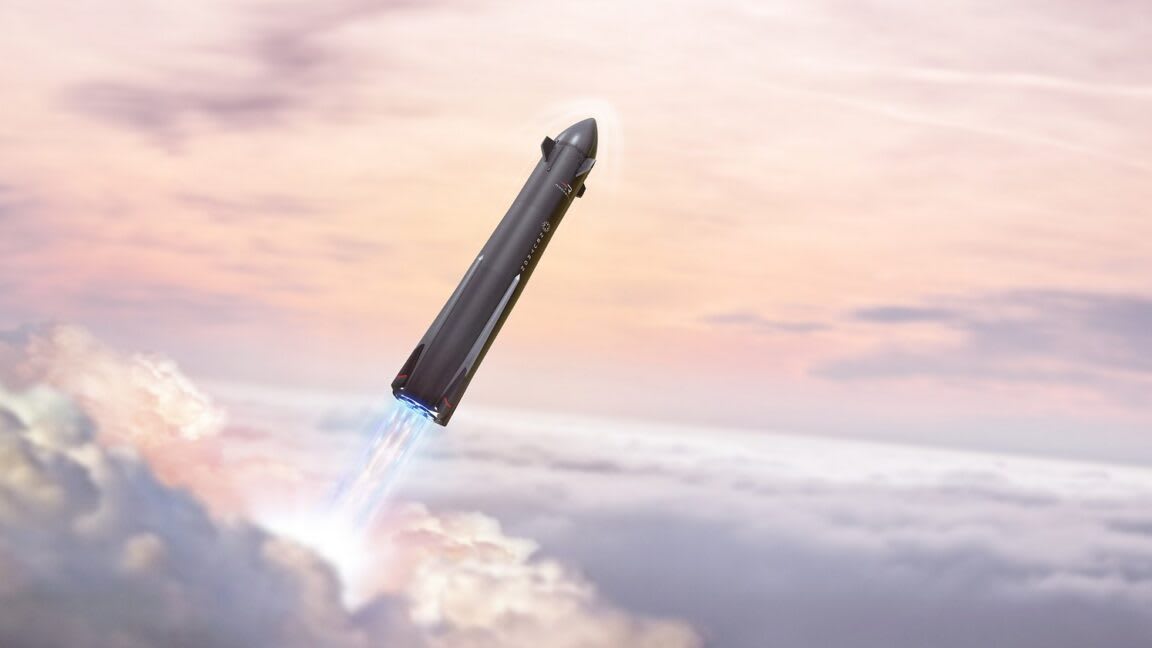
Rocket Lab has officially delayed the debut of its Neutron medium-lift rocket to 2027. The setback is attributed to technical challenges in manufacturing the vehicle's large carbon composite structures.
The Delay of Rocket Lab's Neutron Launch Vehicle
A Shift in Timeline
Rocket Lab has officially confirmed that its highly anticipated medium-lift Neutron rocket will not take flight until 2027. This announcement marks a significant departure from the company's original 2021 projection, which aimed for an initial launch as early as 2024. While industry observers had long speculated that the original timeline was overly optimistic, the formal acknowledgement of a 2027 target underscores the technical hurdles inherent in developing next-generation launch vehicles.
Manufacturing Challenges in Carbon Composites
The core of the delay lies in the manufacturing process of the rocket’s primary structure. Rocket Lab has identified specific issues related to the creation of the large carbon composite components that form the booster stage. Unlike traditional aluminum-lithium alloys used by many legacy aerospace firms, Rocket Lab’s reliance on carbon composites for a vehicle of this scale introduces unique engineering complexities. Ensuring the structural integrity of these large-scale composite structures during the production phase is a critical bottleneck that the company must resolve before moving toward flight readiness.
Industry Context and Strategic Realities
This development is reflective of the broader challenges faced by the commercial space sector. While Rocket Lab has established a reliable track record with its smaller Electron rocket, scaling up to the medium-lift class—designed to compete with vehicles like SpaceX's Falcon 9—is a monumental leap in complexity. The transition from a proven small-lift architecture to a reusable, medium-lift vehicle requires not just new propulsion technology, but entirely new manufacturing methodologies that can reliably produce large-diameter composite tanks and fuselages.
The Wallops Island Connection
Despite the delay, Rocket Lab remains committed to its infrastructure plans at Wallops Island, Virginia. The facility is a cornerstone of the company’s strategy to capture a significant share of the commercial and government launch market. The transition from the August updates, which hinted at a potential 2024 delivery to the pad, to the current 2027 flight estimate, suggests that the company is prioritizing long-term vehicle reliability over meeting aggressive, yet increasingly unrealistic, calendar targets.
Future Implications and Outlook
The 2027 window provides Rocket Lab with a more realistic runway to address its manufacturing bottlenecks. Investors and stakeholders will be watching closely to see if the company can stabilize its production lines for the carbon composite structures. If successful, the Neutron rocket could fundamentally shift the competitive landscape for medium-lift launch services, offering a reusability model that is distinct from the current market leaders. However, the path forward remains contingent on mastering these complex material science challenges.