The touchscreen MacBook Pro is just a MacBook Pro with a touchscreen
Source Entity
Antonio G. Di Benedetto
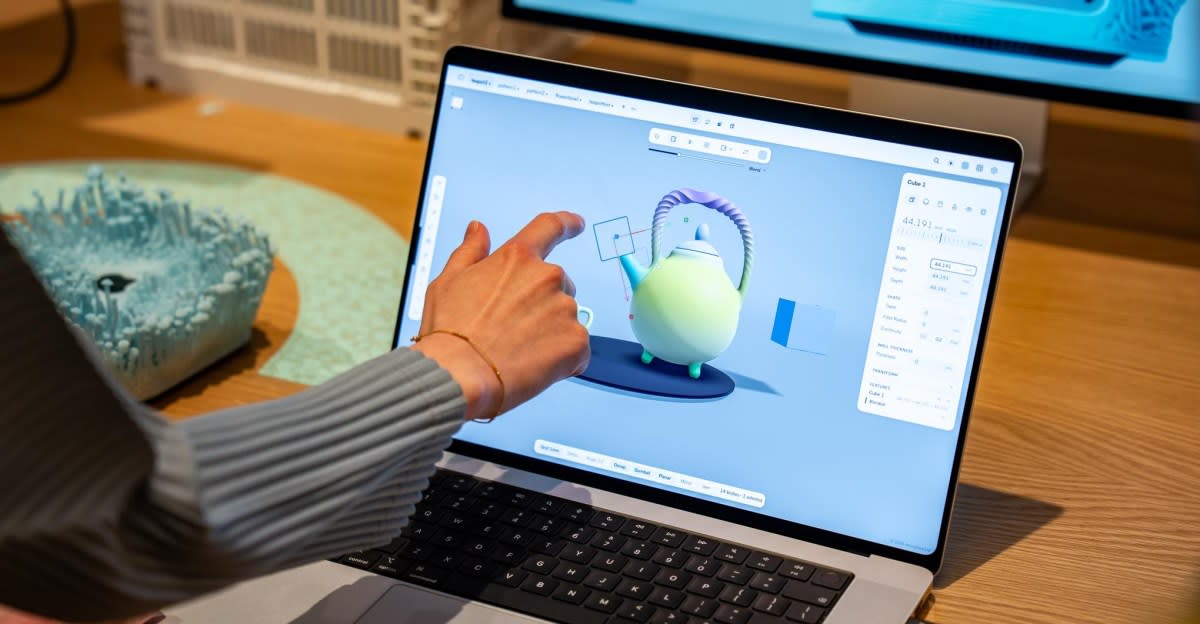
Apple has officially launched a MacBook Pro featuring a touchscreen and a new PROLED XDR display. This release marks a significant reversal of the company's long-standing stance against touch interfaces on laptops.
The Shift: Apple Embraces Touch
For over a decade, Apple executives, including the last two CEOs, maintained a firm stance that a touchscreen MacBook was not in the cards. This narrative was rooted in the company's commitment to ergonomics and the belief that the traditional laptop form factor did not benefit from touch inputs. However, the release of the new MacBook Pro with a touchscreen signals a major strategic pivot, proving that even the most entrenched design philosophies can evolve in the face of changing market demands and technological capabilities.
The PROLED XDR Display Innovation
Beyond the touch interface, the standout feature of this new hardware is the PROLED XDR Display. While existing Mini LED MacBook Pros have been industry leaders, the transition to OLED technology provides deeper, inkier blacks and superior contrast ratios. This "reference-caliber" display is not merely a marketing term; it represents a tangible leap in fidelity, bolstered by the integration of Apple CMF 2026 color modes. This makes the device a powerhouse for creative professionals who require absolute color accuracy in their workflows.
Challenging the Ergonomic Status Quo
Historically, Apple argued that touchscreens on laptops led to 'gorilla arm'—the fatigue caused by reaching out to interact with a vertical screen. By finally introducing a touchscreen, Apple is implicitly acknowledging that user behavior has shifted. Whether this is an attempt to bridge the gap between iPad and Mac ecosystems or a response to competitive pressures from Windows laptops, it fundamentally changes how users interact with macOS.
A Design That Feels Surprisingly Normal
Perhaps the most striking aspect of this release is how 'normal' the user experience feels. Despite years of speculation about how Apple would integrate touch, the implementation avoids gimmicky interfaces. It preserves the classic MacBook Pro experience while adding a layer of direct interactivity, suggesting that Apple has focused on refinement rather than reinventing the wheel.
Future Implications and Market Trends
This release sets a new benchmark for premium laptops. By combining high-end OLED technology with touch capabilities, Apple is positioning the MacBook Pro as a versatile tool that caters to both traditional power users and those who have grown accustomed to touch-based computing on tablets. As other manufacturers continue to experiment with form factors, Apple’s entry into the touchscreen laptop market may accelerate the industry-wide standardization of touch-enabled high-fidelity displays in the professional segment.