The wildest allegations in Apple’s trade secrets lawsuit against OpenAI
Source Entity
Sarah Perez
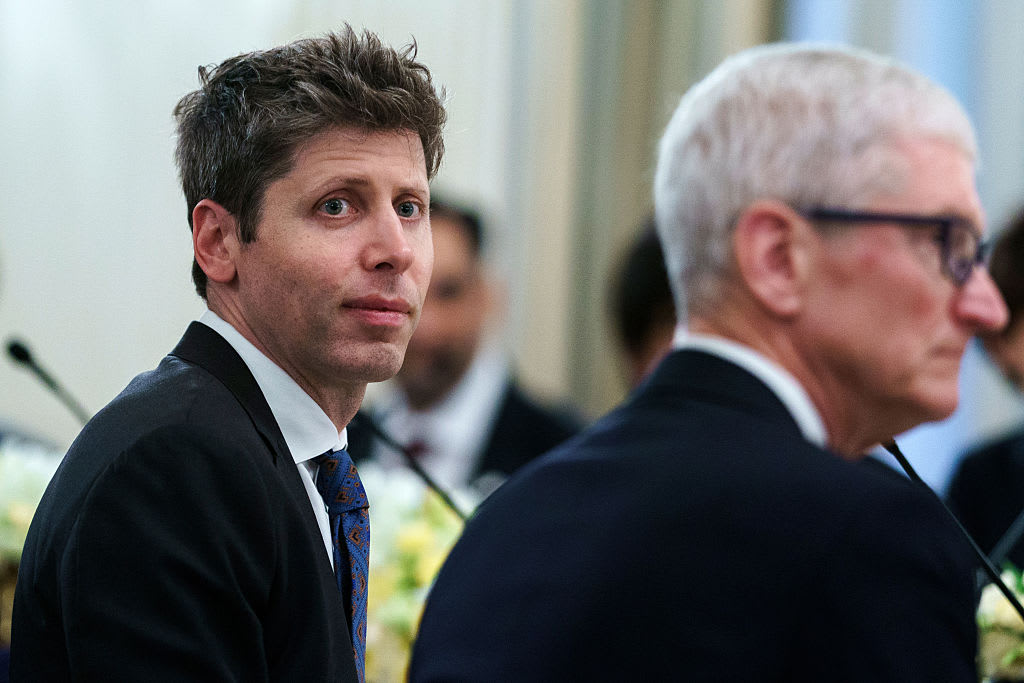
Apple’s trade secrets lawsuit against OpenAI contains allegations that range from employees joking about unauthorized access to Apple’s systems to claims that job candidates were asked to bring Apple hardware to interviews. Here are the complaint’s most eye-catching claims.
The Collision of Titans: Apple's Trade Secret Battle with OpenAI
The legal confrontation between Apple and OpenAI marks a pivotal moment in the escalating AI arms race. Apple, a company historically defined by its obsessive commitment to secrecy and its "walled garden" ecosystem, is now alleging that OpenAI engaged in systemic efforts to misappropriate its trade secrets. This lawsuit is not merely a dispute over a few leaked documents; it represents a fundamental clash between the traditional corporate security models of Big Tech and the fast-moving, often disruptive culture of generative AI startups. The allegations suggest a level of audacity in OpenAI's pursuit of competitive intelligence that could redefine the legal boundaries of corporate poaching and intellectual property theft.
Analyzing the Culture of "Unauthorized Access"
One of the most damaging claims in the complaint is that OpenAI employees reportedly joked about having unauthorized access to Apple's proprietary systems. In the realm of corporate litigation, internal communications—such as Slack messages or emails—often serve as the "smoking gun." If these jokes are backed by evidence of actual breaches, it suggests a culture at OpenAI that may have viewed Apple's security perimeters as obstacles to be bypassed rather than legal boundaries. This points to a broader trend in the AI industry where the drive for rapid iteration and "scraping" data often overrides traditional notions of digital consent and intellectual property rights.
Industrial Espionage via Recruitment
Perhaps the most startling allegation is the claim that OpenAI asked job candidates to bring Apple hardware to interviews. This tactic moves beyond standard competitive intelligence and enters the territory of potential industrial espionage. By requesting physical hardware, OpenAI may have been attempting to analyze proprietary firmware, hardware integration, or internal software configurations that are not accessible through public APIs or documentation. This strategy highlights the desperation of AI firms to understand how hardware-software integration—Apple's primary competitive advantage—can be optimized for the deployment of large language models (LLMs) on edge devices.
The Paradox of Partnership and Competition
To understand the gravity of this lawsuit, one must consider the paradoxical relationship between the two companies. While Apple and OpenAI have entered into high-profile partnerships to integrate ChatGPT into Siri and other iOS features, this lawsuit reveals the deep-seated mistrust beneath the surface. It illustrates a "co-opetition" dynamic where companies collaborate on the surface while fighting a covert war for technical supremacy. The tension arises from the fact that while Apple provides the distribution platform, OpenAI provides the intelligence; both are vying to be the indispensable layer of the user experience.
Legal Implications for Trade Secret Law
From a legal perspective, this case will likely hinge on whether Apple took "reasonable measures" to protect its secrets and whether OpenAI's acquisition of information was "improper." Unlike patents, which are public, trade secrets rely on confidentiality. If Apple can prove that OpenAI actively encouraged employees to breach these confidences or used hardware as a proxy for theft, it could set a powerful precedent. This would signal to the AI industry that the "move fast and break things" ethos cannot be applied to the intellectual property of established tech giants without severe legal consequences.
Future Trends in Tech Hiring and Security
Looking forward, this lawsuit is likely to trigger a paradigm shift in how Big Tech companies handle recruitment and offboarding. We can expect to see a rise in "clean room" interviews, where candidates are strictly prohibited from bringing any personal or former-employer devices. Furthermore, the industry may see a surge in more aggressive non-compete agreements and heightened surveillance of internal communications to prevent the kind of "joking" that leads to multi-million dollar lawsuits. The era of the permissive, open-exchange culture between competing AI labs and tech giants is rapidly closing.
Summary of the Conflict
In summary, the Apple vs. OpenAI lawsuit is a bellwether for the future of AI development. The allegations of unauthorized system access and the misuse of hardware during interviews paint a picture of a high-stakes environment where the pressure to innovate has led to ethically and legally dubious practices. As the courts deliberate, the outcome will determine whether the AI revolution will be built on a foundation of open collaboration or a battlefield of aggressive intellectual property litigation.