Apple says more ex-employees may have taken confidential data to OpenAI
Source Entity
Sarah Perez
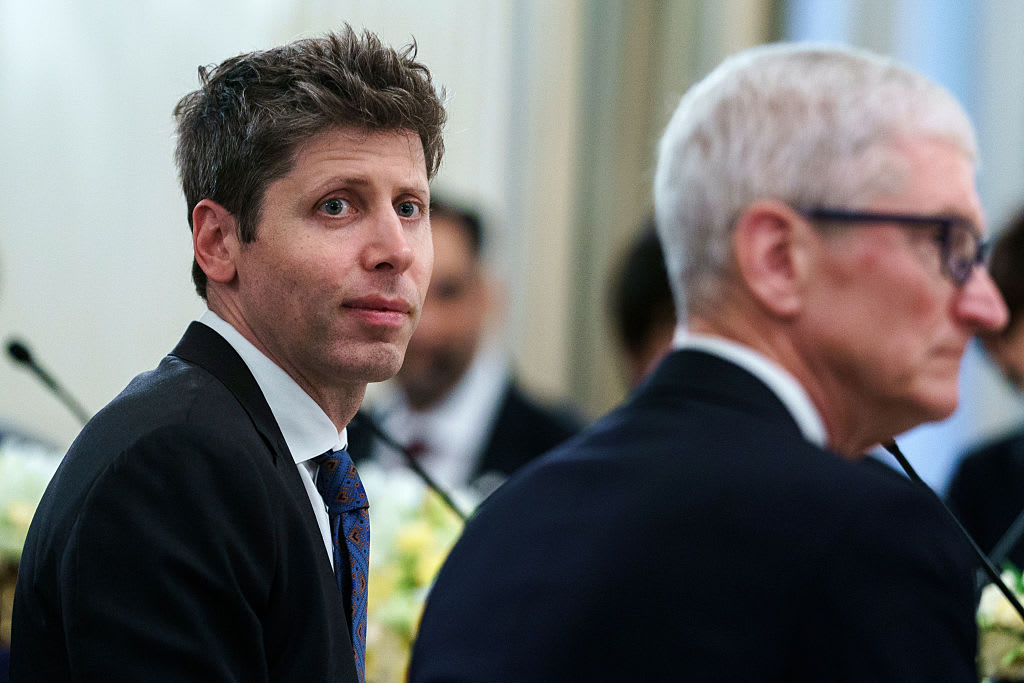
OpenAI has publicly countered Apple's trade secret theft lawsuit by releasing private communications to challenge the tech giant's claims. Apple has simultaneously expanded its legal investigation, alleging that additional former employees may be involved in the unauthorized transfer of confidential data.
The Escalating Legal Battle Between Apple and OpenAI
The ongoing legal conflict between Apple and OpenAI has transcended traditional courtroom proceedings, evolving into a high-stakes confrontation played out in the court of public opinion. Recently, OpenAI published a blog post titled "Apple is getting this wrong," explicitly labeling the iPhone maker's lawsuit as "careless, aggressive, and oddly personal." By releasing specific iMessage and email exchanges, OpenAI is attempting to dismantle the core narrative of Apple’s trade secret theft allegations, effectively shifting the discourse from legal technicalities to a direct challenge of Apple’s corporate credibility.
The Core Allegations and Strategic Responses
At the heart of the dispute is Apple’s accusation that OpenAI engaged in the systematic theft of trade secrets, specifically involving former Apple personnel. Apple has focused its legal ire on two primary figures: senior systems engineer Chang Liu and Chief Hardware Officer Tang Yew Tan. Apple’s latest court filings reveal an aggressive move to secure a preliminary injunction. This legal maneuver is designed to halt OpenAI’s development of AI-driven hardware or products that Apple claims are predicated on its proprietary intellectual property.
Expanding the Scope of Investigation
Apple has not merely remained on the defensive; it has significantly widened the scope of its investigation. New court filings suggest that the potential breach of confidentiality extends far beyond Liu and Tan. Apple has identified at least 11 additional former employees who may have been involved in or witnessed the alleged misappropriation of data. This expansion indicates that Apple views this not as an isolated incident involving a few rogue employees, but as a potential systemic issue regarding the movement of talent and proprietary knowledge between the two organizations.
The Involvement of Jony Ive and 'io'
Complicating the narrative further is Apple’s demand for expedited discovery from "io," the hardware startup co-founded by legendary former Apple designer Jony Ive. By dragging the startup into the litigation, Apple is signaling that it intends to scrutinize the entire ecosystem surrounding these former employees. This suggests that Apple is concerned about a broader "brain drain" where its design philosophies and trade secrets are being funneled into new ventures that could directly compete with its future product roadmap.
Public Perception vs. Legal Reality
OpenAI’s decision to publish internal communications is a strategic attempt to frame Apple’s lawsuit as a bullying tactic. By presenting these "receipts," OpenAI is gambling that transparency will sway public sentiment, even if these documents do not constitute a formal legal defense. The company is betting that by poking holes in Apple’s narrative, they can neutralize the reputational damage caused by the allegations of theft, which are inherently damaging to a firm that relies heavily on its reputation for innovation and integrity.
Future Implications for Tech Talent and IP
This case sets a significant precedent for the tech industry, highlighting the growing tension between the fluidity of top-tier talent and the rigid protection of corporate intellectual property. As AI development becomes the primary battleground for Silicon Valley, we can expect more aggressive litigation regarding non-compete agreements and trade secret retention. The outcome of the Apple-OpenAI battle will likely dictate how tech giants manage the movement of engineers and designers in an era where proprietary AI data is considered the most valuable currency in existence.
Multiple Citing Sources