Apple in talks with startup that shrinks AI models to run on an iPhone
Source Entity
US Top News and Analysis
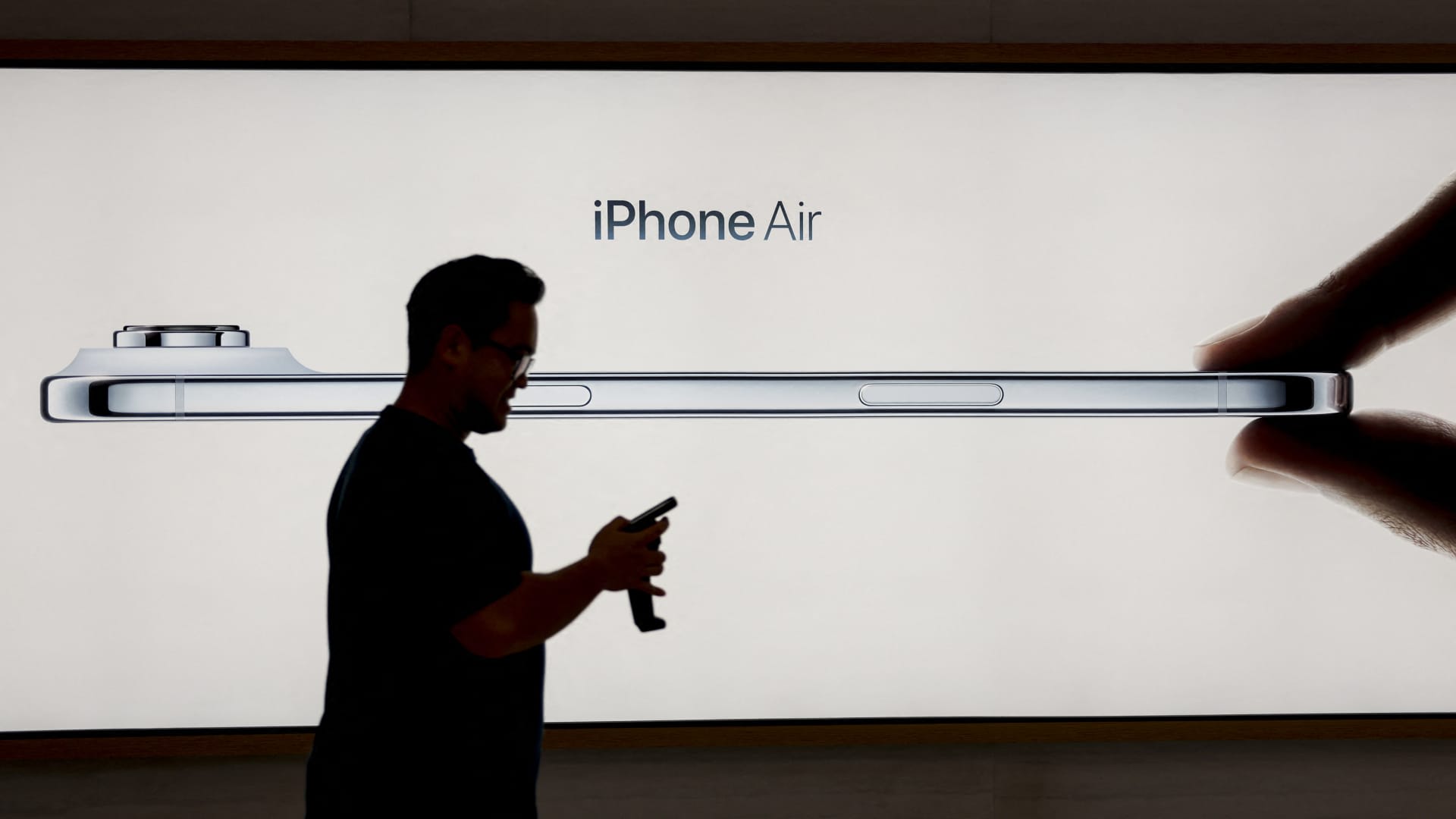
Apple is reportedly in discussions with startup PrismML to leverage its AI model compression technology, which can reduce memory usage by up to 15 times, potentially allowing sophisticated models like Alibaba's Qwen to run natively on iPhones.
Apple's Strategic Pivot Toward Hyper-Efficient On-Device AI
Apple is reportedly exploring a partnership with PrismML, a startup specializing in the compression of Large Language Models (LLMs). The core of this discussion centers on PrismML's ability to shrink complex AI models—specifically citing a compressed version of Alibaba's Qwen model—to use up to 15 times less memory than standard versions. This move is a critical component of Apple's broader strategy to integrate advanced generative AI directly into the iPhone's hardware, reducing reliance on cloud computing and enhancing user privacy.
The Technical Challenge of On-Device LLMs
Running high-parameter AI models on a smartphone is a monumental engineering challenge due to strict hardware constraints. Unlike data centers with terabytes of VRAM, iPhones operate with limited unified memory shared between the CPU and GPU. Large models typically require massive amounts of RAM to store weights and manage KV caches during inference. If a model is too large, it will either fail to load or trigger aggressive memory swapping, leading to sluggish performance and rapid battery depletion. PrismML's claim of a 15x reduction in memory footprint suggests a breakthrough in quantization or pruning techniques that could allow 'frontier-class' models to reside comfortably within the iPhone's memory envelope.
Contextualizing Apple Intelligence and Privacy
This development aligns perfectly with the philosophy behind 'Apple Intelligence.' Apple has long positioned itself as the privacy-centric alternative to Google and Microsoft, emphasizing that data should stay on the device whenever possible. By utilizing PrismML's compression, Apple can move more complex reasoning tasks from the 'Private Cloud Compute' servers back onto the local Neural Engine. This not only minimizes latency for the end-user but also eliminates the security risks associated with transmitting sensitive personal data to external servers, further solidifying Apple's competitive moat in the privacy sector.
The Competitive Landscape: Edge AI Arms Race
Apple is not alone in this pursuit; the industry is currently locked in an 'Edge AI' arms race. Google has already deployed Gemini Nano, a model specifically designed for on-device tasks on Pixel devices. However, the ability to run a compressed version of a powerful model like Alibaba's Qwen would give Apple a versatile edge, allowing it to potentially integrate diverse, multi-lingual, and high-reasoning models that were previously thought too large for mobile deployment. If Apple successfully integrates PrismML's technology, it could set a new industry standard for how LLMs are deployed on consumer electronics.
Future Implications for the App Ecosystem
Beyond the native OS features, this technology could revolutionize the iOS App Store. If Apple provides developers with tools to run highly compressed, high-performance models locally, we will likely see a surge in 'AI-first' applications that offer sophisticated functionality without requiring expensive API subscriptions or constant internet connectivity. This shift could democratize access to powerful AI tools, making them available to users in regions with poor connectivity and reducing the operational costs for developers who currently pay heavy premiums for cloud-based AI inference.
Summary and Outlook
In conclusion, the potential acquisition or partnership with PrismML represents a tactical strike in Apple's quest to dominate the on-device AI era. By solving the memory bottleneck, Apple can transform the iPhone from a gateway to the cloud into a powerful, autonomous AI engine. While the success of this integration depends on maintaining model accuracy after such aggressive compression, the potential rewards—enhanced privacy, lower latency, and a more robust AI ecosystem—make this a pivotal move for the company's future hardware iterations.