Apprenticeship can help solve India’s jobs problem
Source Entity
Latest News: Todays Latest News Headlines from India & World | Hindustan Times | Hindustan Times
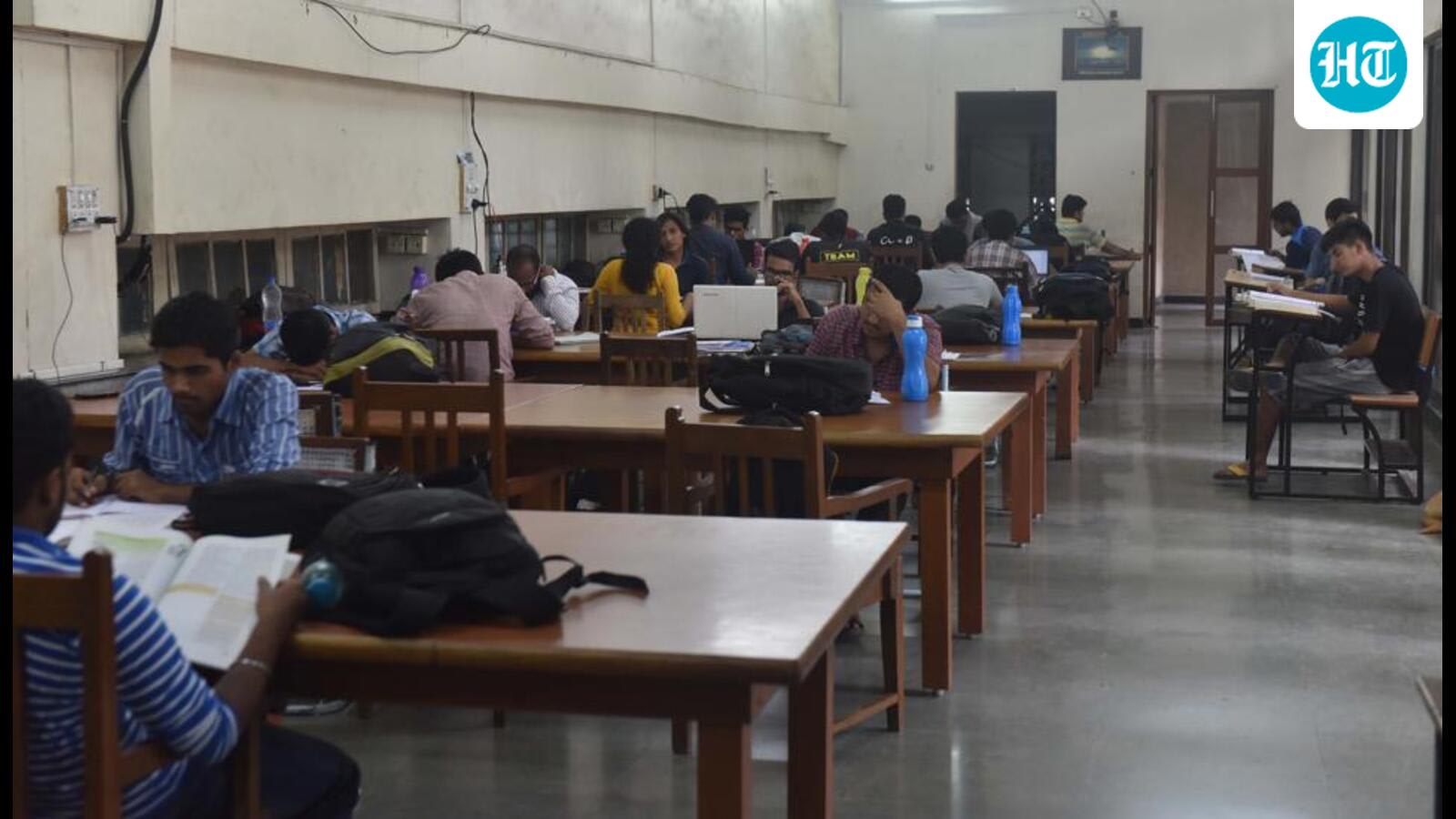
India faces a significant disconnect between higher education and employability, with graduate unemployment reaching 11.2%. Integrating apprenticeship models into university curricula is proposed as a vital solution to bridge this gap and improve labor market outcomes.
Addressing India's Employment Paradox
The Indian labor market is currently navigating a complex structural challenge: while the nation boasts a massive pool of 45 million students enrolled in higher education, the transition from academic halls to the professional workforce remains fraught with friction. According to the Periodic Labour Force Survey (PLFS) for 2025, the national unemployment rate stands at 3.1% for the general population; however, this figure masks a stark reality for the youth and the educated. Unemployment among those aged 15-29 sits at 9.9%, and alarmingly, it climbs to 11.2% for graduates and 10% for postgraduates.
The Mismatch of Skills and Expectations
The data highlights a critical misalignment between the degrees being pursued and the demands of the modern economy. With 76.8% of higher education enrollment concentrated at the undergraduate level, the distribution of fields—led by the Arts (32.1%), followed by Science (13.5%) and Commerce (12%)—suggests a high volume of generalist degrees. While these students acquire essential communication, analytical, and social skills, the current labor market data indicates that these academic qualifications alone are not sufficient to guarantee immediate employment, as evidenced by the high unemployment rates among the highly educated.
The Role of Vocational Training
A significant hurdle in this journey is the lack of formal vocational or technical training. The PLFS 2025 report reveals that only 5% of individuals aged 15-29 have received such training. This indicates a systemic deficit in practical, industry-aligned skill acquisition. Without a bridge between theoretical knowledge and applied professional experience, university graduates are finding themselves ill-equipped to meet the technical requirements of the evolving industrial and service sectors.
Bridging the Gap through Apprenticeships
The proposed solution lies in transforming the education-to-work journey into a more seamless process through structured apprenticeship programs. By integrating work-based learning directly into the university curriculum, institutions can ensure that students are not merely observers of theory but active participants in professional environments. Apprenticeships would allow students to apply their analytical and scientific competencies in real-world settings, thereby increasing their marketability and reducing the time spent searching for entry-level roles.
Future Trends and Structural Reform
Looking ahead, the focus must shift from pure academic enrollment to 'employability-focused' education. Universities must pivot toward partnerships with industry leaders to create co-designed curricula that prioritize vocational competency alongside traditional degree requirements. If India is to harness its demographic dividend, it must transition from a model that prioritizes the acquisition of degrees to one that prioritizes the acquisition of skills. Solving the unemployment paradox will require a collaborative effort between policymakers, academic institutions, and the private sector to embed apprenticeships as a core component of the higher education experience.
Verification Required?