Three with Bhatti links held in J&K, one in Punjab; items ‘drone-dropped from Pakistan’ seized
Source Entity
Arun Sharma
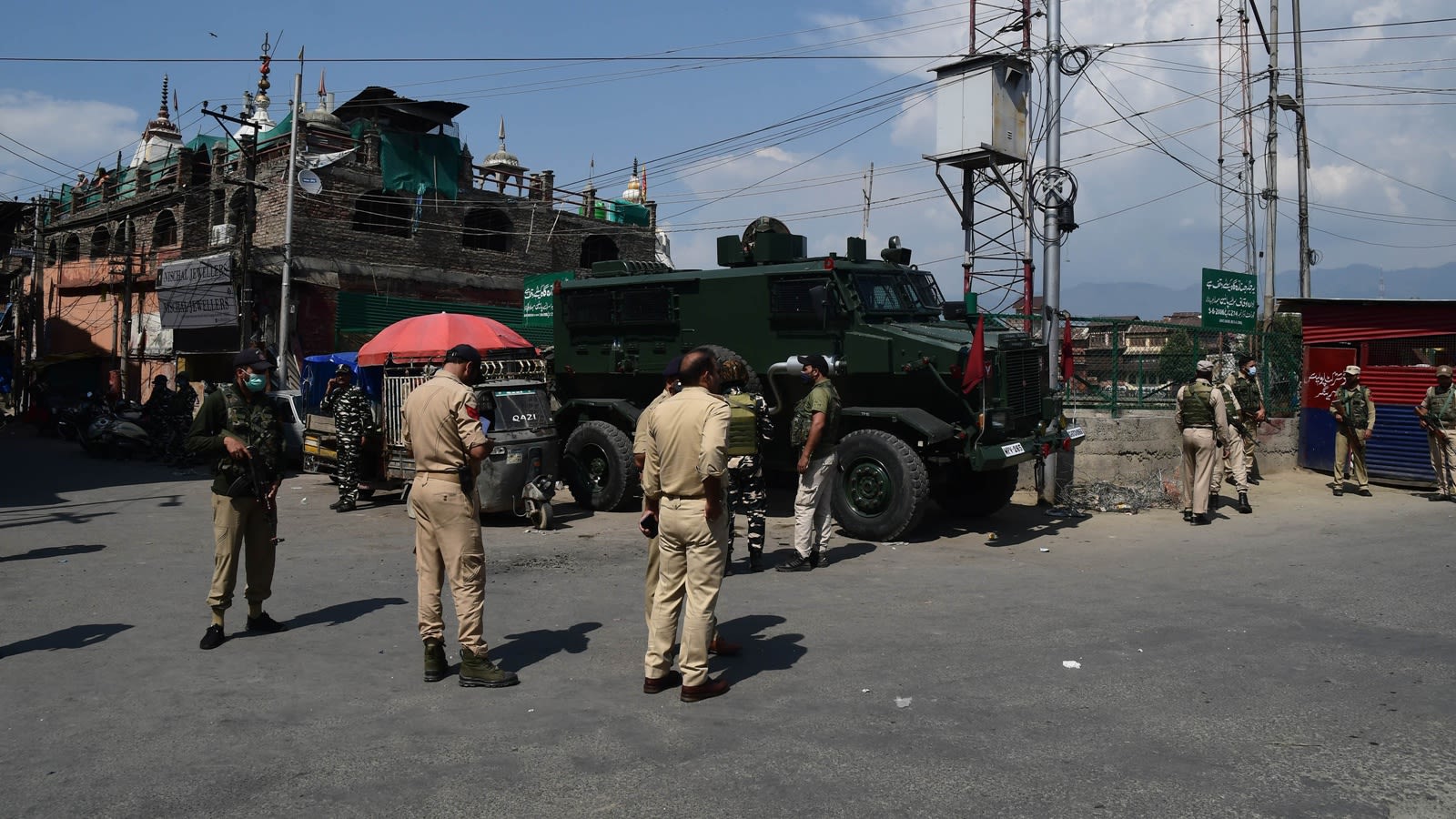
Jammu & Kashmir Police have arrested four individuals linked to a Pakistan-based narco-terror module. The operation resulted in the seizure of an Italian-made pistol, ammunition, and significant quantities of heroin and opium.
Counter-Terrorism Operation in Jammu and Kashmir
The Jammu & Kashmir Police have successfully dismantled a cross-border narco-terror module in a coordinated operation. Four individuals were arrested, including residents from the Talhar and Treva regions, as well as one individual from Punjab. This development highlights the persistent threat posed by clandestine networks attempting to destabilize the region through the illicit convergence of narcotics and weaponry.
The Nature of the Seizure
Among the items recovered by law enforcement were an Italian-made Bretta pistol, two magazines, and four live rounds of ammunition. Additionally, police seized 500 grams of heroin and 500 grams of opium. The presence of both lethal weaponry and high-value narcotics underscores the dual-threat nature of these modules, which utilize drug proceeds to fund extremist activities and arm operatives on Indian soil.
The Bhatti Connection
Authorities have explicitly linked the arrested suspects to a Pakistan-based gangster identified as Shahzad Bhatti. This connection is significant, as it points to an evolving nexus between organized crime syndicates operating from across the border and local facilitators within India. By leveraging established criminal networks, handlers in Pakistan aim to create layers of separation between themselves and the ground-level operatives, complicating intelligence and interdiction efforts.
Tactical Implications and Drone Activity
Police reports indicate that the seized contraband was likely delivered via drones originating from Pakistan. The use of unmanned aerial vehicles (UAVs) for smuggling represents a major shift in tactical methodology, allowing for the delivery of weapons and narcotics without the physical presence of couriers at the border. This technological challenge forces security agencies to enhance surveillance and anti-drone capabilities along the frontier to mitigate the risk of these aerial drops.
Broader Security Context
This incident is part of a larger, ongoing effort by Indian security forces to disrupt the supply chains that fuel regional instability. The intersection of narco-trafficking and terrorism remains a focal point for national security, as drug revenue is frequently diverted to sustain underground insurgency efforts. The arrest of a Punjab resident alongside the J&K locals suggests that these networks are cross-regional, requiring interstate cooperation to effectively dismantle.
Future Trends and Outlook
Moving forward, the reliance on drone technology and the recruitment of local associates by foreign-based handlers will likely remain a top security concern. Intelligence agencies are expected to intensify their focus on mapping these transnational criminal chains. The success of this operation serves as a critical disruption, but it also underscores the necessity for sustained vigilance and advanced counter-drone infrastructure to secure the border against these evolving threats.