Transparency can bolster trust in government data
Source Entity
Latest News: Todays Latest News Headlines from India & World | Hindustan Times | Hindustan Times
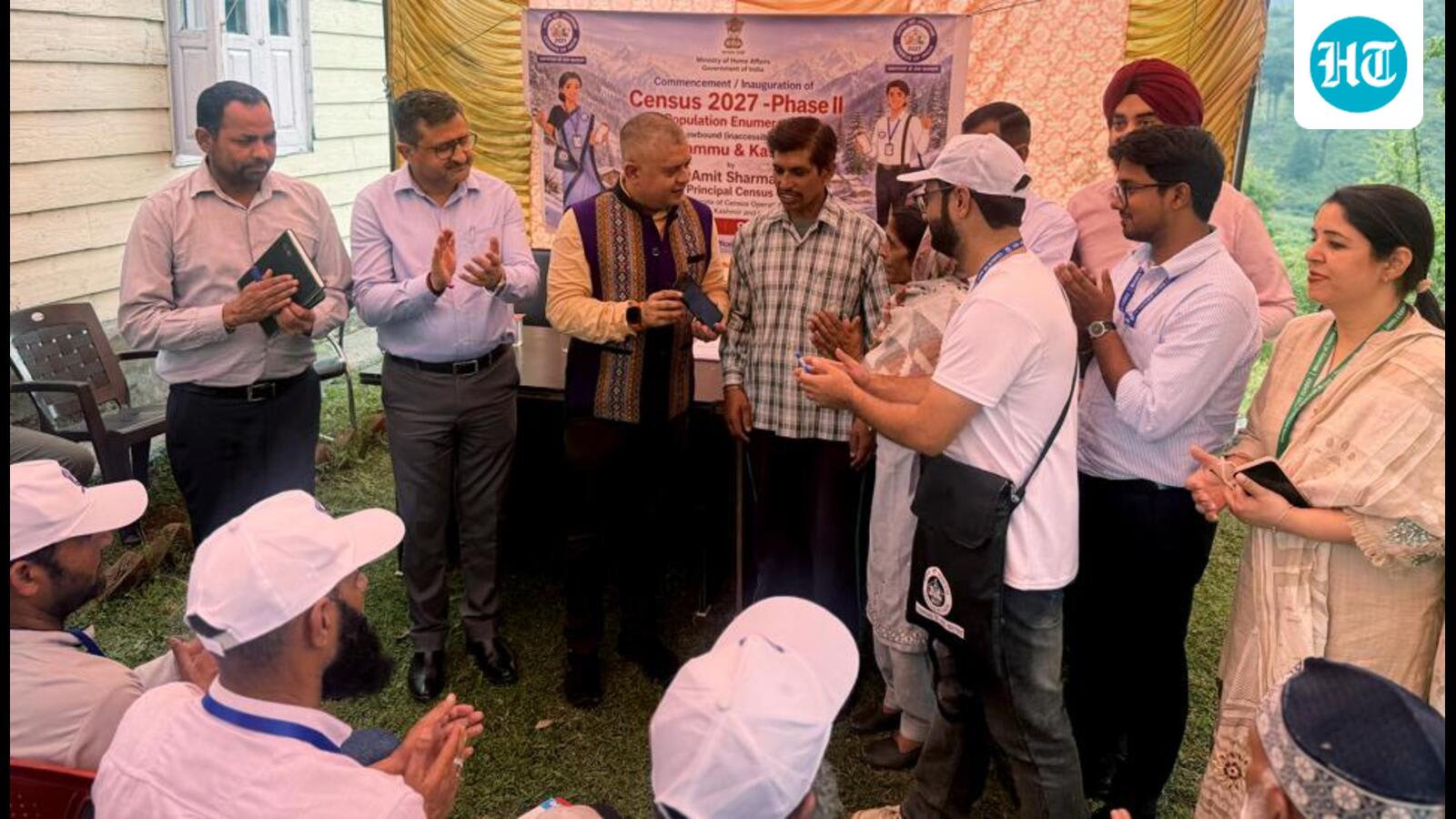
The debate over India's GDP methodology underscores the urgent need for transparency to ensure public trust in government data. With Census 2027 underway, accessible data is essential to update outdated 2011 population metrics and improve policy planning.
The Imperative of Transparency in Economic Data
The recent discourse surrounding India’s Gross Domestic Product (GDP) figures serves as a critical reminder that economic statistics are not merely technical outputs; they are the bedrock of public trust in governance. When a nation’s primary economic metrics become subjects of intense debate, the underlying issue is rarely just the math—it is the perceived integrity of the methodology. By making the Ministry of Statistics and Programme Implementation (MoSPI) methodology accessible through discussion papers, the government has taken a positive step toward bridging the gap between state reporting and public skepticism.
The Data Gap: Living in the Shadow of 2011
A significant hurdle in current Indian policy planning is the reliance on demographic data that is now over a decade old. While the 2011 Census provided a comprehensive snapshot of the nation, the socioeconomic landscape has shifted dramatically since then. The initiation of Census 2027 is a vital development, as it promises to replace these aging metrics with contemporary data. Without updated population figures, government programs risk being misaligned with the actual needs of the populace, potentially leading to inefficient resource allocation.
Accountability in Publicly Funded Surveys
Beyond GDP and Census data, the broader ecosystem of publicly funded surveys has faced challenges regarding timeliness and accessibility. The persistent issue of surveys being released late, only partially disclosed, or kept entirely internal undermines the efficacy of public policy. These surveys are the diagnostic tools of a functioning democracy; they tell us precisely whether citizens are improving their standard of living or if specific programs are failing to reach their intended targets.
Strengthening Policy through Independent Review
Transparency is most effective when it invites scrutiny. Allowing independent experts to examine data sources and methodologies acts as a quality assurance mechanism that protects the government from accusations of bias. When the methodology is opaque, it invites speculation; when it is transparent, it invites constructive critique that can improve the accuracy of future data collection. This collaborative approach is essential for long-term economic planning.
Future Trends and Concluding Thoughts
Looking forward, the trend toward digital data collection and open-access portals will likely define the next generation of Indian economic statistics. However, technology alone is not a panacea. The core challenge remains the consistent, timely, and complete release of data. By prioritizing transparency, the government can transform its statistical agencies from mere record-keepers into architects of informed public policy, ensuring that the progress of the nation is accurately reflected and effectively managed for all citizens.
Verification Required?