US army secretary Dan Driscoll steps down after 18 months in service
Source Entity
TRISHA MAHAJAN
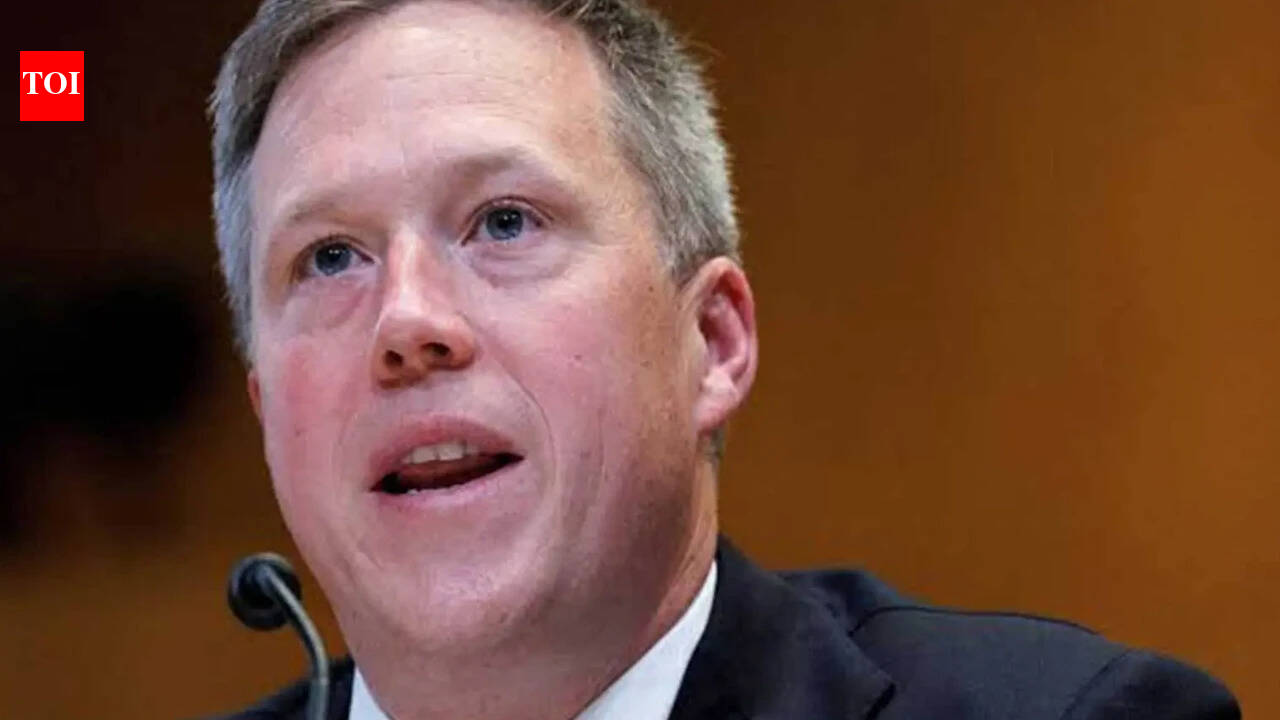
Army Secretary Dan Driscoll has resigned after 18 months in office, citing internal friction with Defense Secretary Pete Hegseth. This departure marks a significant leadership shift within the Pentagon as the Trump administration continues a broader shake-up of military officials.
The Departure of Army Secretary Dan Driscoll
The resignation of U.S. Army Secretary Dan Driscoll, confirmed by the White House on Monday, marks a pivotal moment in the ongoing restructuring of the Department of Defense. Serving for approximately 18 months, Driscoll’s departure follows months of documented professional friction between himself and Defense Secretary Pete Hegseth. While the official White House statement praised Driscoll’s contributions to the administration’s agenda, his exit underscores deep-seated administrative tensions that have characterized the current period of military leadership.
Roots of the Conflict
Reports indicate that the relationship between Driscoll and Hegseth had become increasingly untenable, with months of disagreements regarding the direction of the Army. As a figure previously noted for his alignment with Vice President JD Vance, Driscoll’s resignation suggests a realignment of power dynamics within the executive branch. The internal discord appears to have culminated in a direct conversation between Driscoll and President Donald Trump, which preceded the formal submission of his resignation.
Impact on Pentagon Leadership
This resignation leaves the U.S. Army without a Senate-confirmed civilian secretary at a time when the Department of Defense is undergoing a wider, sweeping shake-up. The removal or departure of senior officials often signals a shift in strategic priorities, particularly as the administration seeks to implement its vision for the armed forces. By creating a vacancy at the highest level of Army civilian oversight, this move complicates the department's ability to maintain continuity during an era of significant transition.
Historical Context and Strategic Shifts
Historically, the office of the Army Secretary serves as the primary civilian administrator for the force, bridging the gap between political leadership and military operations. Driscoll, who was once considered a rising figure within the administration, now joins a growing list of senior officials leaving their posts. This pattern of turnover reflects a broader strategy of centralizing control and ensuring that department leaders are fully aligned with the administration's stated goals for military modernization and policy enforcement.
Future Implications for the Army
The lack of a Senate-confirmed successor immediately following this resignation places the Army in a precarious position regarding its long-term policy initiatives. As the administration continues its efforts to 'Make America Strong Again,' the selection of a new secretary will be critical in determining whether the next leader can effectively navigate the internal culture of the Pentagon while maintaining a harmonious relationship with Secretary Hegseth. Observers will be watching closely to see if this replacement signals a change in the Army's operational focus or merely a restoration of administrative alignment.
Conclusion
In summary, the resignation of Dan Driscoll is a significant development that highlights the volatility within the current defense establishment. While the White House has maintained a formal tone regarding his exit, the underlying reality of his tenure was defined by persistent conflict with his superior. As the administration proceeds with its broader leadership changes, the stability of the U.S. Army’s civilian command structure remains a central concern for policymakers and military analysts alike.
Multiple Citing Sources