Delhi’s voter count dip steep, but not unusual for big cities
Source Entity
Latest News: Todays Latest News Headlines from India & World | Hindustan Times | Hindustan Times
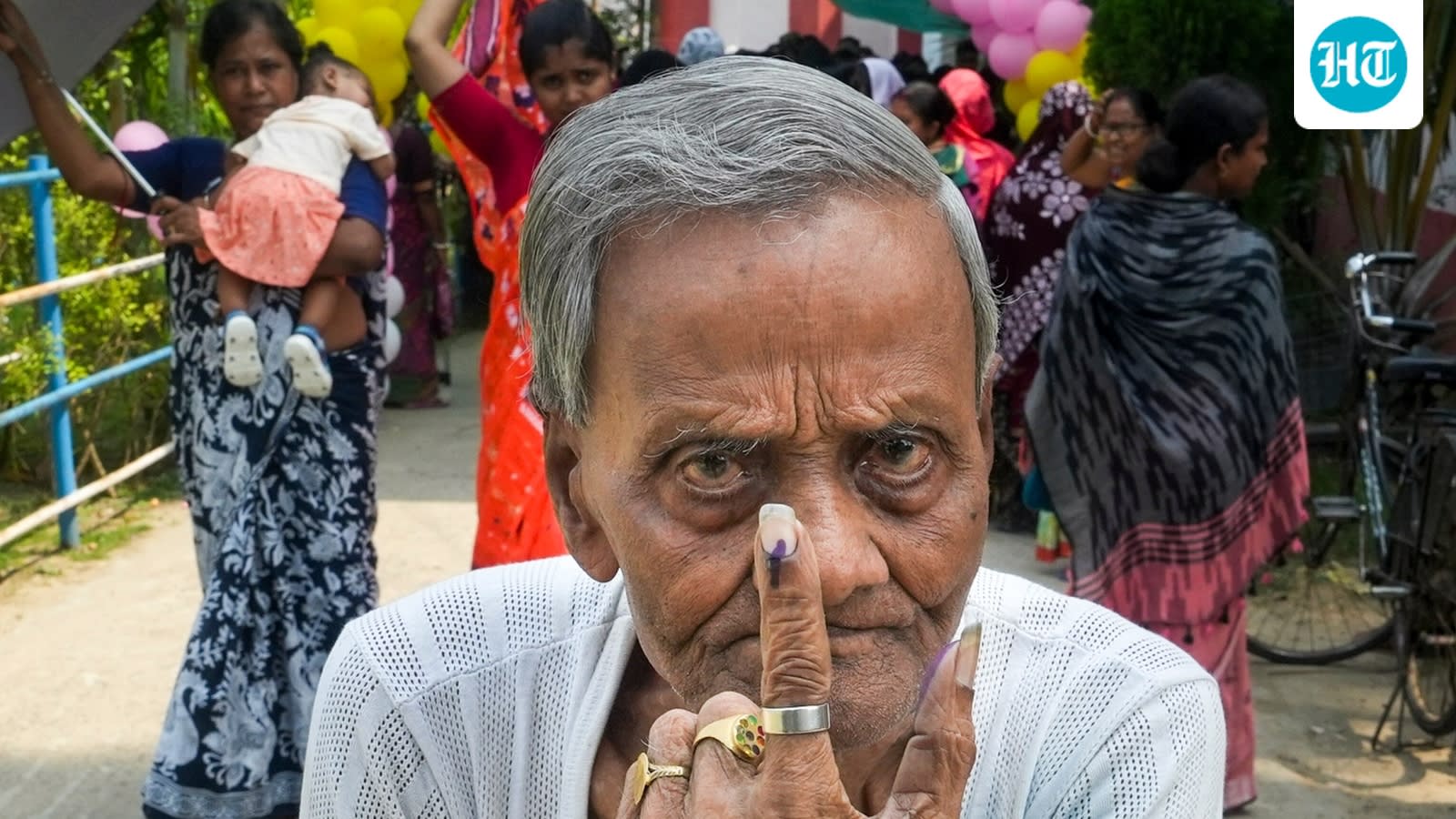
The Election Commission's Special Intensive Revision (SIR) has resulted in the exclusion of over 13 crore voters across India, with Maharashtra and Delhi reporting significant drops. Authorities attribute the mass deletions to uncollected Enumeration Forms and technical issues with online access.
The Scope of the Electoral Roll Revision
The Election Commission of India (EC) has initiated a nationwide Special Intensive Revision (SIR) of electoral rolls, a massive administrative undertaking aimed at updating voter databases. Recent data indicates that this process has been exceptionally rigorous, resulting in the removal of over 13 crore names from draft rolls across 30 States and Union Territories. This exercise, which commenced in June of the previous year, serves as a critical mechanism for maintaining the integrity of the democratic process by weeding out outdated or inaccurate entries.
Significant Impact in Maharashtra and Delhi
The impact of the SIR is most visible in major urban centers. In Maharashtra, approximately 2.06 crore individuals, representing 21.14% of the pre-revision electorate, were excluded from the latest draft rolls. The numbers are even more stark in Delhi, where the roll has seen a reduction of 32.8%. These figures highlight the scale of the administrative challenge, as the total number of electors in Maharashtra dropped from 9.78 crore to 7.71 crore, while Delhi saw a decline from 1.45 crore to 97.53 lakh.
Administrative Hurdles and Data Collection
The primary reason cited by the Election Commission for these mass exclusions is the failure to collect necessary Enumeration Forms. The administrative burden of verifying nearly 10 crore records in a single state is immense, and the inability to secure updated documentation from voters has led to these large-scale deletions. While the EC maintains that this is a standard procedural outcome, the sheer volume of missing records raises questions about the efficiency of current data collection methodologies.
Technological Challenges and Public Access
Compounding the confusion surrounding the SIR process are significant technical difficulties. Upon the publication of the draft rolls, numerous voters in Maharashtra reported being unable to access or search the electoral records online. The Election Commission acknowledged these grievances, noting that the name-search facility was still undergoing technical adjustments. This lack of transparency and accessibility has fueled public frustration, as voters struggle to verify their status in the updated rolls.
Broader Implications for Future Elections
The third phase of the SIR, involving 17 States and Union Territories, has already accounted for over 6.15 crore deletions. As the Election Commission continues to refine these rolls, the long-term implications for electoral participation remain a concern. If a significant portion of the electorate remains excluded due to administrative gaps rather than actual eligibility changes, it could impact voter turnout and the perceived legitimacy of upcoming electoral cycles. Stakeholders will be closely watching how the EC addresses the backlog of uncollected forms in the coming months.
Multiple Citing Sources
Verification Required?