Keir Starmer announces he is standing down as MP
Source Entity
BBC News
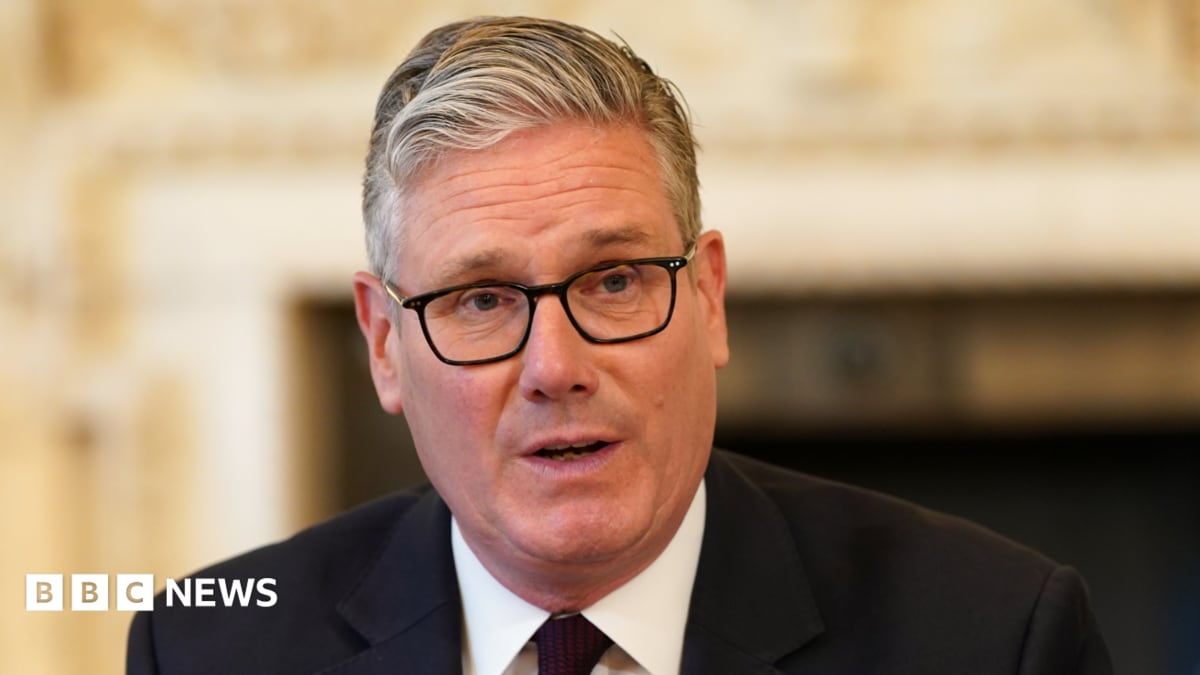
Former UK Prime Minister Keir Starmer has announced his resignation as the MP for Holborn and St Pancras. His departure will trigger a by-election as he shifts his focus toward international affairs and advocacy against violence against women.
The End of an Era: Keir Starmer’s Departure from Parliament
Sir Keir Starmer, the former Prime Minister of the United Kingdom, has officially announced his intention to stand down as the Member of Parliament for the Holborn and St Pancras constituency. Having served the area for eleven years, Starmer’s decision marks a definitive conclusion to his parliamentary career, following his earlier resignation from the premiership earlier this summer, a role in which he was succeeded by Andy Burnham.
A Shift in Focus: From Westminster to Global Advocacy
Starmer’s stated motivation for this departure is a pivot toward international affairs. According to his statements, he intends to dedicate his future efforts to critical global sectors, including defense, security, trade, and technology. This transition suggests a move away from the day-to-day legislative pressures of the House of Commons, allowing him to operate in a capacity that focuses on broader geopolitical and strategic issues rather than domestic constituency management.
Legacy and Continued Social Commitment
Beyond the realm of high-level international policy, Starmer has emphasized that he will not be stepping away from public service entirely. A core element of his post-parliamentary agenda remains his long-standing work regarding the protection of women and girls. By continuing his advocacy against violence, Starmer seeks to maintain the momentum of his previous legislative and social initiatives, albeit from a platform independent of his former parliamentary seat.
The Political Impact of a By-Election
Starmer’s resignation will necessitate a by-election for the Holborn and St Pancras seat, a constituency that has historically been a stronghold for the Labour Party. This event arrives after weeks of public speculation regarding his future in the Commons. While he had previously indicated in a BBC interview shortly after his resignation as PM that he intended to remain an MP until the next general election, his recent statement to the Camden New Journal confirms a change in his timeline, citing that it is the "right time" to pass the baton to a successor.
Broader Implications and Historical Context
This move is significant not only for the local constituents of Holborn and St Pancras but also for the Labour Party’s political landscape. By vacating his seat, Starmer allows for new leadership to emerge within the party ranks at the local level. As he transitions into his new, international-focused role, the political community will be watching closely to see how effectively he can leverage his experience as a former head of government to influence international trade and security policy.
Conclusion
Sir Keir Starmer’s departure from Parliament represents a major transition for one of the UK’s most prominent political figures. By choosing to step down now rather than waiting for the next general election, he has signaled a clear desire to separate his past role as a domestic leader from his future ambitions on the global stage. His legacy in Holborn and St Pancras, built over more than a decade, now gives way to a new chapter of international advocacy and policy influence.