"No Foreign Influence": On UPI Charges, Centre Trashes Opposition's Claim
Source Entity
NDTV News Search Records Found 1000
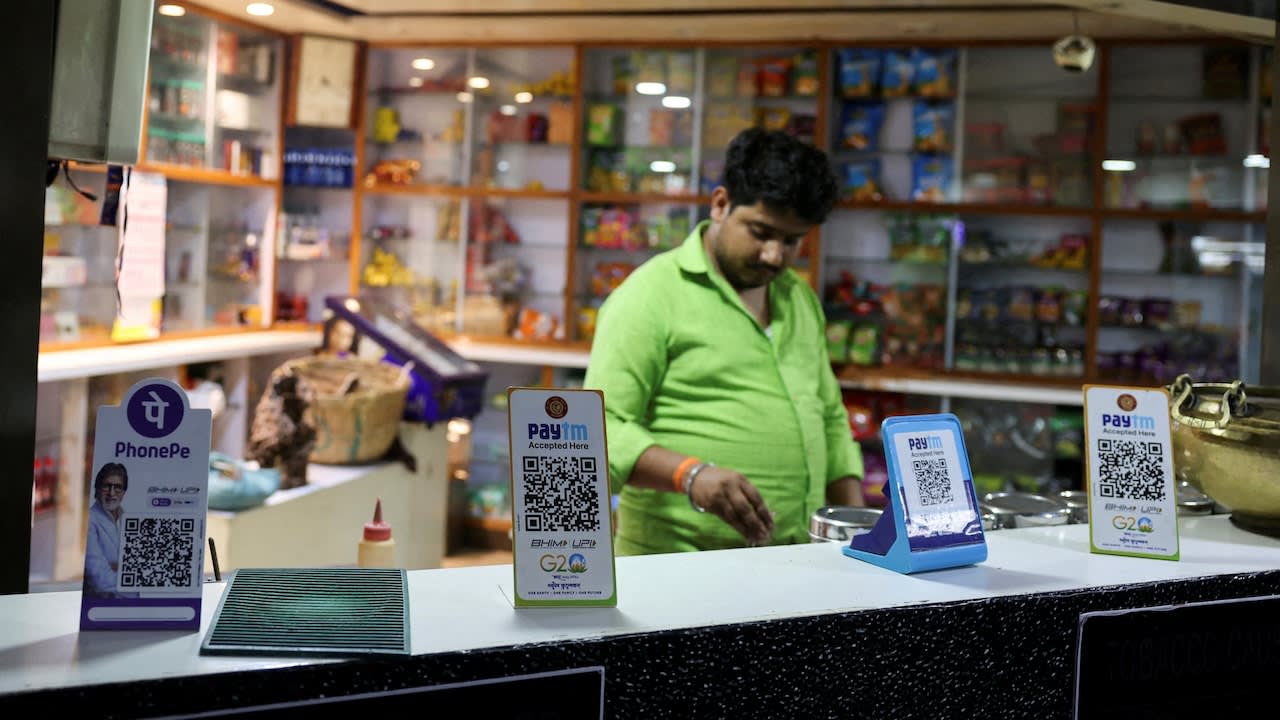
The NPCI has introduced a 0.4% merchant discount rate on UPI transactions exceeding ₹2,000, effective October 15. While the government maintains this won't affect consumers, critics like Ashneer Grover argue these costs will inevitably be passed down to the end-user.
The Shift in UPI Monetization: Analyzing the New MDR Structure
Understanding the NPCI Circular
The National Payments Corporation of India (NPCI) has officially announced a new framework for Merchant Discount Rates (MDR) on Unified Payments Interface (UPI) transactions. Starting October 15, a 0.4% MDR will be applied to transactions exceeding ₹2,000, capped at a maximum of ₹300. Additionally, specific sectors—including utility payments, fuel, insurance, and rail bookings—will now incur a flat fee of ₹5. This regulatory move marks a significant evolution in India’s digital payments landscape, transitioning from a purely zero-charge ecosystem to one where transaction costs are formalized for merchants.
The Debate Over Consumer Impact
A primary point of contention lies in the government's assertion that these charges will not impact the end consumer. Official statements emphasize that peer-to-peer (P2P) transfers, including personal payments between individuals, remain entirely free of charge regardless of the amount. However, this stance has faced skepticism from industry experts. Ashneer Grover, the former co-founder of BharatPe, has been vocal in his critique, labeling the move a "tax" rather than a merchant fee. Grover’s argument centers on the economic reality that merchants operating on thin margins are unlikely to absorb these costs indefinitely, suggesting that the "end of day consumer pays" through price adjustments at the point of sale.
Categorizing the Charges
The new structure creates a clear distinction between transaction types. While many standard retail transactions are subject to the 0.4% rate, the flat ₹5 fee applies to essential services such as electricity, water, and education fees. By excluding P2P transfers and auto-debit mandates from these charges, the NPCI aims to preserve the convenience of everyday digital habits while monetizing high-value commercial exchanges. This tiered approach is designed to balance the operational costs of banks and payment processors against the goal of maintaining high UPI adoption rates.
Industry Implications and Financial Sustainability
The introduction of MDR is largely viewed as a measure to ensure the financial sustainability of payment infrastructure providers. Banks and payment platforms have historically borne the cost of maintaining the UPI ecosystem. By allowing a fee structure, the NPCI intends to incentivize these institutions to continue investing in technology and security. The broader implication is a shift toward a more mature fintech economy where the "free" model is replaced by a cost-recovery mechanism, acknowledging that the massive scale of UPI requires significant backend support.
Future Trends and Market Sentiment
Looking ahead, the market will be closely monitoring how merchants respond to these costs. Larger retailers and online platforms may choose to absorb the MDR as a cost of business to remain competitive, whereas smaller vendors may feel more pressure to adjust prices or pass the fee to customers. The ongoing debate between government assurances and industry critiques suggests that the transition will be met with close scrutiny by both policymakers and the public. As the October 15 deadline approaches, the focus will remain on whether this framework successfully offsets bank costs without stifling the rapid growth of digital transactions in India.
Multiple Citing Sources
Verification Required?