Assam prohibits drone operations near Amur falcon roosting sites
Source Entity
India Latest News: Top National Headlines Today & Breaking News | The Hindu
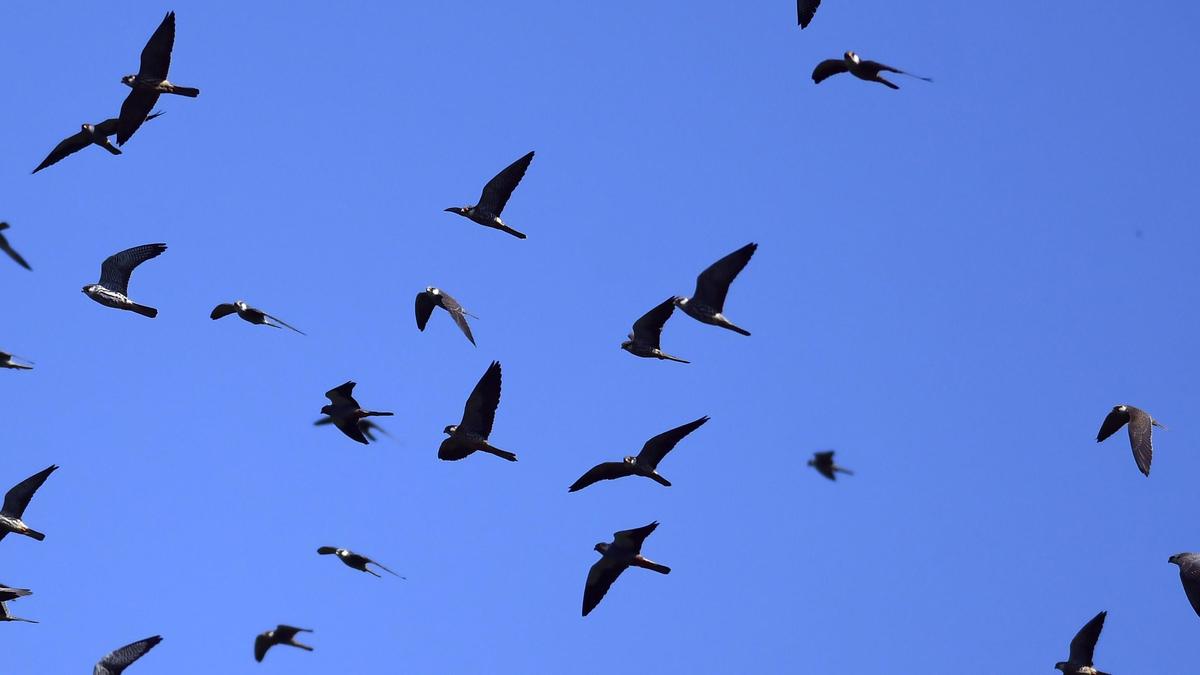
The Assam government has banned drone operations near Amur falcon roosting sites to protect the migratory raptors from disturbance. This measure aims to curb the negative impact of unauthorized photography and social media content creation.
Protecting the Amur Falcon: Assam's New Drone Restrictions
A Critical Intervention for Migratory Wildlife
On November 6, 2026, the Assam government took decisive action to protect the Amur falcon (Falco amurensis) by implementing an immediate ban on drone operations within and around identified congregation and roosting sites. This regulatory measure, issued by the office of the Principal Chief Conservator of Forests, serves as a vital safeguard for these migratory raptors, which visit the region annually. By prohibiting unauthorized recreational, commercial, and non-essential drone activity, the state is prioritizing avian welfare over the potential for viral social media content.
The Impact of Social Media on Conservation
The catalyst for this policy shift is the documented interference caused by content creators and visitors seeking high-quality footage. The presence of drones—often perceived by wildlife as aerial predators—can cause significant stress, force birds to abandon their roosts, and disrupt crucial energy-restoration processes necessary for the falcons to complete their arduous migration. This situation highlights the growing tension between the rise of digital content creation and the sanctity of natural habitats.
Enforcement and Administrative Oversight
To ensure the efficacy of this ban, the government has directed Divisional Forest Officers to actively identify and demarcate sensitive sites. This proactive approach ensures that the prohibition is not merely a symbolic gesture but an actionable policy that local authorities can enforce on the ground. By establishing clear physical boundaries, the forest department provides a framework for both tourists and law enforcement to distinguish between permitted and prohibited zones.
Broader Implications for Wildlife Management
This move by Assam reflects a global trend in wildlife management, where technology—originally designed for research—is now being restricted to mitigate human-wildlife conflict. As drones become more accessible, the potential for disturbance in fragile ecosystems increases exponentially. Assam’s policy sets a precedent for how regional governments can manage the 'social media effect' on biodiversity hotspots, ensuring that technological progress does not come at the expense of ecological stability.
Future Trends in Eco-Conservation
Looking ahead, this regulation may serve as a template for other states dealing with similar migratory species. As the awareness of human-induced stress on wildlife grows, we can expect stricter surveillance and perhaps the implementation of 'drone-free' zones in other protected areas across India. By curbing the impulse for 'viral' nature photography, the Assam government is fostering a culture of responsible ecotourism that values the survival of the species over the pursuit of digital engagement.
Verification Required?