Where is the $16 billion? 'Greedy' Zelensky asks what happened to the US aid that was promised
Source Entity
Latest News: Todays Latest News Headlines from India & World | Hindustan Times
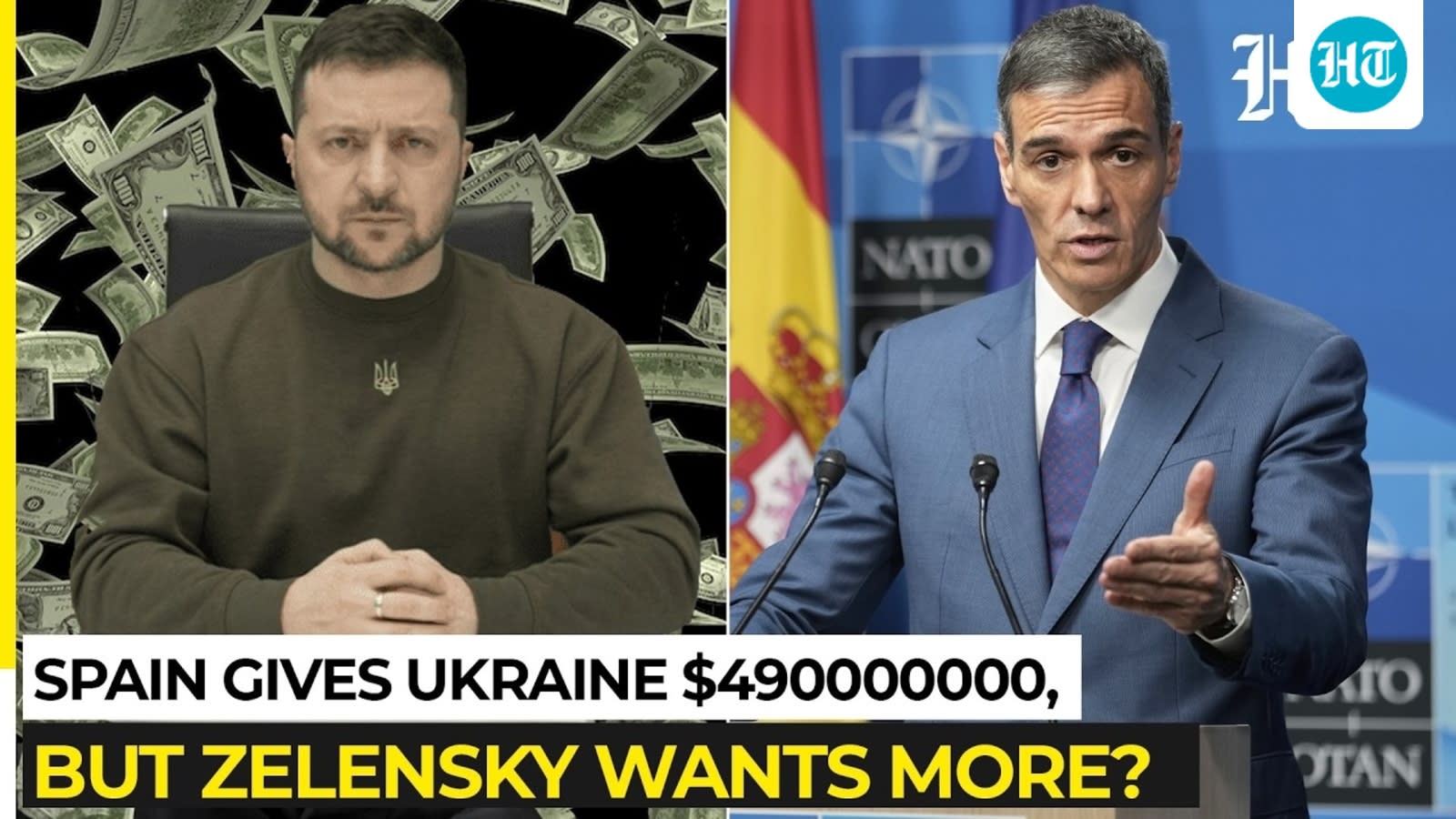
President Zelensky has publicly questioned the status of $16 billion in promised U.S. aid, highlighting tensions over funding transparency. While Ukraine seeks further support, U.S. political figures like Donald Trump are increasingly questioning the fiscal burden on American taxpayers.
The Growing Friction Over Ukraine's Financial Aid
Recent reports indicate a deepening rift between Kyiv and its Western allies regarding the delivery of promised financial assistance. President Volodymyr Zelensky has publicly questioned the whereabouts of $16 billion in U.S. aid, suggesting that these funds, while seemingly committed, have yet to reach the Ukrainian government. This demand comes amidst a complex landscape of international military support, highlighted by recent pledges from nations like Spain, which committed $490 million in military aid to bolster Kyiv’s ongoing defense operations.
The Complexity of U.S. Appropriations
To understand the scale of this dispute, one must look at the overall financial commitment provided by Washington. According to data from Ukraine Oversight, the United States has appropriated approximately $196 billion in total aid to Ukraine since the conflict began in 2022. However, the distinction between a 'promise' of aid and a formal congressional appropriation remains a point of contention. Zelensky’s administration has not yet identified the specific agreements or legislative vehicles behind the alleged $16 billion shortfall, creating a gap in transparency that complicates diplomatic relations.
Domestic Political Pressures in the U.S.
This call for further funding arrives at a critical juncture in American politics. Former President Donald Trump has positioned himself as a vocal critic of the current aid trajectory, arguing that NATO allies must shoulder a larger share of the financial burden. By characterizing the request as an exploitation of American taxpayers, Trump has successfully tapped into a growing sentiment within the U.S. electorate that demands greater scrutiny of foreign spending. This political pressure serves as a significant hurdle for the Biden administration as it navigates future aid packages.
Strategic Implications for the Conflict
For Kyiv, the urgency of these funds is tied directly to the battlefield. Zelensky maintains that Ukraine must continue its military efforts to secure these outstanding funds, framing the financial support as a prerequisite for sustained defense. However, the lack of clarity regarding the $16 billion gap raises questions about the coordination between donor nations and the recipient government. If these funds were not formally authorized by Congress, the diplomatic fallout could lead to a reassessment of how future military and economic support is structured.
Future Trends and Diplomatic Outlook
Looking ahead, the discourse surrounding Ukraine’s funding will likely be shaped by the upcoming U.S. election cycle and the internal stability of the NATO alliance. As donor fatigue becomes a more prominent concern, the pressure on Ukraine to provide detailed audits of how aid is utilized will only increase. Future trends suggest a shift toward more conditional aid packages, where continued support is explicitly tied to transparency and the equitable distribution of costs among European partners. Ultimately, the resolution of this $16 billion discrepancy will serve as a bellwether for the future of international cooperation in the region.
Verification Required?