The ‘proud Assamese’ from other States
Source Entity
India Latest News: Top National Headlines Today & Breaking News | The Hindu
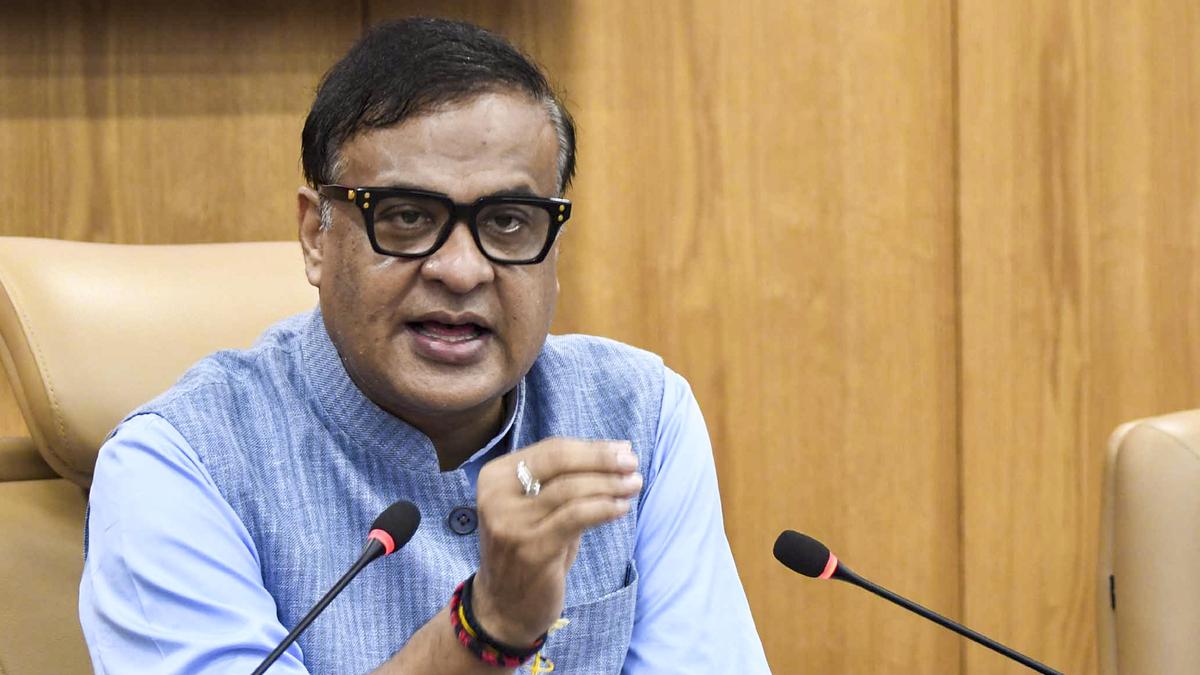
Assam Chief Minister Himanta Biswa Sarma has urged residents of non-Assamese origin to register 'Assamese' as their mother tongue in the upcoming 2026 Census. The call aims to redefine the state's ethno-religious demographics, sparking debate over the definition of Assamese identity.
The Politics of Language and Identity in Assam
During his address at the Khanapara Veterinary Ground, Assam Chief Minister Himanta Biswa Sarma issued a strategic call for residents of the state who hail from other Indian states to record 'Assamese' as their mother tongue in the upcoming 2026 Census. This directive comes at a time when the state is navigating complex demographic shifts and navigating the long-standing question of who truly constitutes the 'Assamese' people. By linking the census data directly to the future planning of the state’s ethno-religious landscape, the Chief Minister has positioned language as a primary tool for asserting cultural hegemony.
The Strategic Significance of the 2026 Census
The 2026 Census is being framed by the state government not merely as a statistical exercise, but as a crucial milestone for regional planning and political representation. By urging a broader segment of the population to adopt the Assamese language in official records, the administration seeks to solidify a unified identity. This move is particularly significant given that the definition of who is 'Assamese' has historically been a subject of intense debate, often complicated by the presence of various linguistic and religious groups, including Bengali-origin Muslims who have long resided in the region.
Historical Context and Demographic Tensions
Assam’s history is deeply intertwined with the politics of migration and language. The tension between indigenous Assamese speakers and migrant communities—such as those of Bengali origin—has defined the state's political discourse for decades. The Chief Minister’s recent comments highlight a push to integrate diverse communities into a singular 'Assamese' identity, effectively leveraging the census to minimize linguistic divisions that have historically fueled political instability and social friction.
Implications for State Policy
The appeal to list 'Assamese' as a mother tongue carries profound implications for future policy-making, particularly concerning reservation quotas, language-based educational benefits, and political representation. If the census data reflects a significant increase in the number of Assamese speakers, it could provide the government with a mandate to further prioritize Assamese language policies in schools, government services, and public life. This, in turn, may alter the political weight of various communities within the state.
Future Trends and Social Cohesion
Looking ahead, the success of this initiative will depend on how different linguistic and ethnic groups respond to the call. While the government views this as a path toward a more cohesive Assamese identity, critics and community leaders may express concern about the erasure of linguistic diversity among minority groups. As the 2026 Census approaches, the discourse surrounding the definition of 'Assamese' identity will likely remain a central pillar of Assam's political landscape, reflecting broader national debates about language, regionalism, and the constitutional definition of linguistic identity.
Verification Required?