Akhilesh Yadav attacks Centre over E20 petrol, cites CEA’s reported backing for E10
Source Entity
India Latest News: Top National Headlines Today & Breaking News | The Hindu
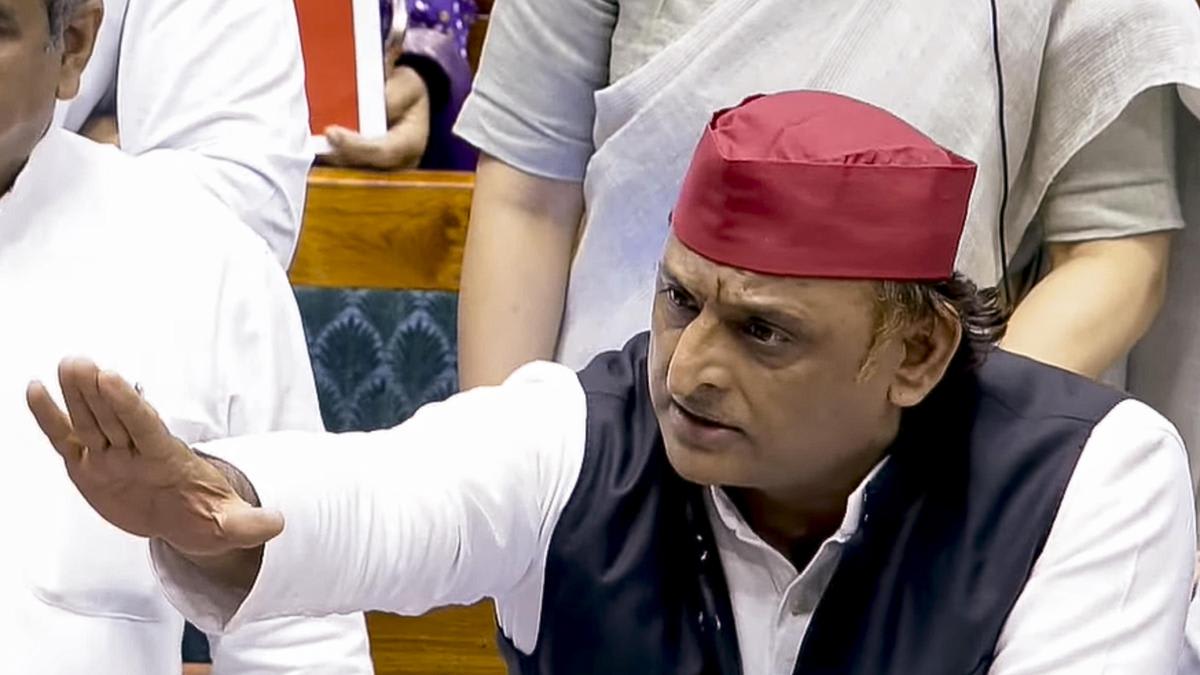
Samajwadi Party leader Akhilesh Yadav has challenged the Centre over the implementation of E20 fuel, citing conflicting views from Chief Economic Advisor V. Anantha Nageswaran. Yadav highlighted concerns regarding vehicle damage and advocated for the return of E10 petrol for older models.
The E20 Fuel Controversy: A Clash of Policy and Performance
The Political Challenge to Energy Policy
Samajwadi Party (SP) president Akhilesh Yadav has launched a pointed critique against the central government’s energy strategy, specifically focusing on the rollout of E20 fuel—petrol blended with 20% ethanol. By leveraging reported remarks attributed to Chief Economic Advisor (CEA) V. Anantha Nageswaran, which allegedly favor E10 fuel, Yadav has successfully framed the government's current biofuel policy as contradictory and potentially harmful to consumer interests.
Technical Concerns and Consumer Impact
At the heart of the dispute is the claim that E20 petrol is causing mechanical damage to vehicles. Akhilesh Yadav, acting as a voice for affected motorists, has highlighted that many vehicle owners are reporting engine and performance issues directly linked to the higher ethanol content. This creates a significant consumer rights issue, as users feel forced to bear the repair costs for damages allegedly caused by mandated fuel standards.
The Internal Policy Schism
The core of Yadav’s argument rests on the perceived inconsistency between the government’s aggressive push for E20—a key component of India’s decarbonization and energy security strategy—and the reported technical skepticism of its own economic adviser. By asking, "Who is right: the government or the adviser?" Yadav is attempting to expose a lack of cohesion within the administration’s policy-making framework, suggesting that the drive for green energy may be outpacing the infrastructure and technical readiness of the existing vehicle fleet.
Historical Context of Biofuel Adoption
India’s transition to higher ethanol blending is part of a long-term goal to reduce the country’s heavy dependence on crude oil imports. However, the shift from E10 to E20 presents unique challenges for older two-wheelers and internal combustion engines not specifically calibrated for higher ethanol concentrations. The debate highlights the friction between the macro-economic benefits of reducing the import bill and the micro-economic reality of vehicle longevity and maintenance costs for the average citizen.
Future Trends and Political Fallout
As the government continues to promote E20, the pushback from opposition leaders like Yadav suggests that fuel policy will become an increasingly potent political issue. If the government fails to address the technical concerns of motorists or clarify the conflicting views within its economic advisory team, it faces the risk of a broader public backlash. Future trends will likely involve increased pressure for the availability of E10 as a "safer" alternative for older vehicles, forcing the government to balance its environmental targets with the practical demands of the transport sector.
Verification Required?