ACB arrests Satyendar Jain in DJB case already under ED money laundering probe
Source Entity
Latest News: Todays Latest News Headlines from India & World | Hindustan Times | Hindustan Times
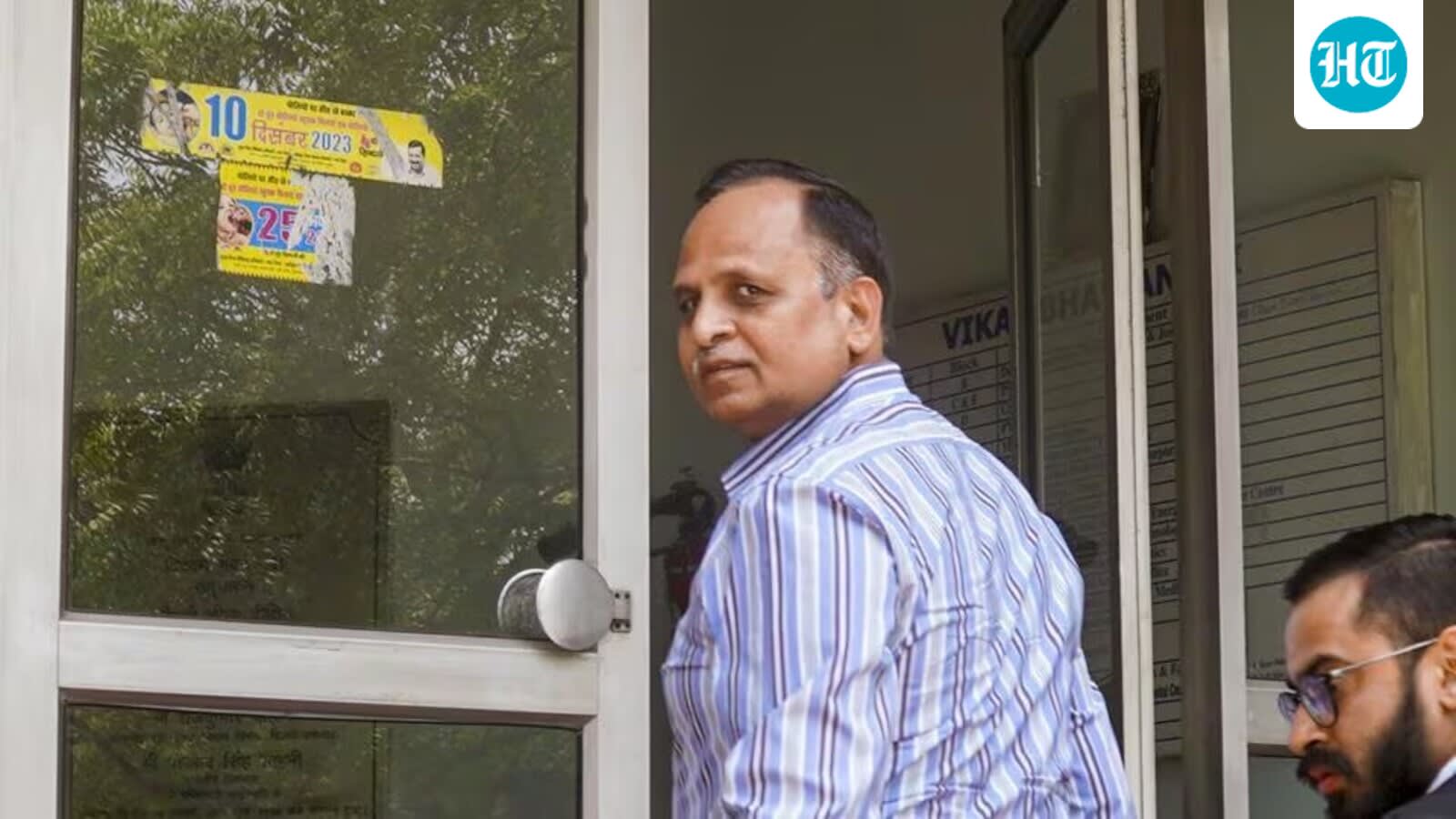
Former Delhi minister Satyendar Jain and five others have been arrested by the Anti-Corruption Branch over alleged tender manipulation in the Delhi Jal Board. The case, involving sewage treatment plant projects, adds to existing legal challenges the AAP leader faces regarding corruption and money laundering.
The Legal Crisis Surrounding Satyendar Jain and the Delhi Jal Board
The recent arrest of former Delhi minister Satyendar Jain by the Anti-Corruption Branch (ACB) marks a significant escalation in the ongoing legal scrutiny surrounding the Aam Aadmi Party (AAP) leadership. Jain, along with five other individuals including former Delhi Jal Board (DJB) CEO Udit Prakash Rai, has been remanded to 14-day judicial custody. This arrest stems from allegations of irregularities, criminal conspiracy, and manipulation of tender conditions concerning the augmentation and upgradation of sewage treatment plants (STPs) within the Delhi Jal Board.
Origins of the Allegations
The case, registered on May 11, 2024, traces back to a complaint filed by the Delhi government’s Directorate of Vigilance. The core of the accusation centers on the tendering process for STP projects, specifically naming Hyderabad-based firm M/s Euroteck Environmental Pvt. Ltd. (M/s EEPL) as a central entity in the alleged fraud. The investigation suggests that the tender conditions were manipulated to benefit specific private interests, a move that allegedly involved high-ranking officials who held oversight roles at the time of the project's inception.
The Intersection of Multiple Investigations
It is critical to note that this ACB probe does not exist in a vacuum. Satyendar Jain is already the subject of a high-profile money laundering investigation being conducted by the Enforcement Directorate (ED). The ED’s case, which is currently pending cognizance before Special Judge Dig Vinay Singh at the Rouse Avenue Courts, highlights the multi-layered legal pressure facing the former minister. The simultaneous nature of these investigations underscores the complexity of the allegations, which span from administrative procedural failures in the DJB to broader accusations of financial misconduct.
Institutional and Political Implications
The involvement of an IAS officer, Udit Prakash Rai, alongside a high-ranking political figure like Jain, signals a deep-seated institutional concern regarding the governance of the Delhi Jal Board. The DJB is responsible for the city's critical water and sanitation infrastructure; therefore, any corruption in its tendering process carries direct implications for public service delivery. The arrest highlights the vulnerability of municipal and board-level procurement processes to external influence and insider manipulation.
Future Trends and Judicial Path
As the legal proceedings move into the 14-day judicial custody phase, the focus will likely shift toward the analysis of procurement documents and the verification of the alleged criminal conspiracy. The outcome of this case will not only determine the legal fate of those arrested but will also likely serve as a benchmark for how the Delhi administration handles internal vigilance complaints moving forward. Given the pending ED chargesheet and the new ACB case, the legal landscape for AAP leadership remains increasingly volatile, with these cases likely to remain a focal point of political discourse in the capital.
Verification Required?