Flood toll climbs to 47 in Assam; over 7 lakh affected
Source Entity
India Latest News: Top National Headlines Today & Breaking News | The Hindu
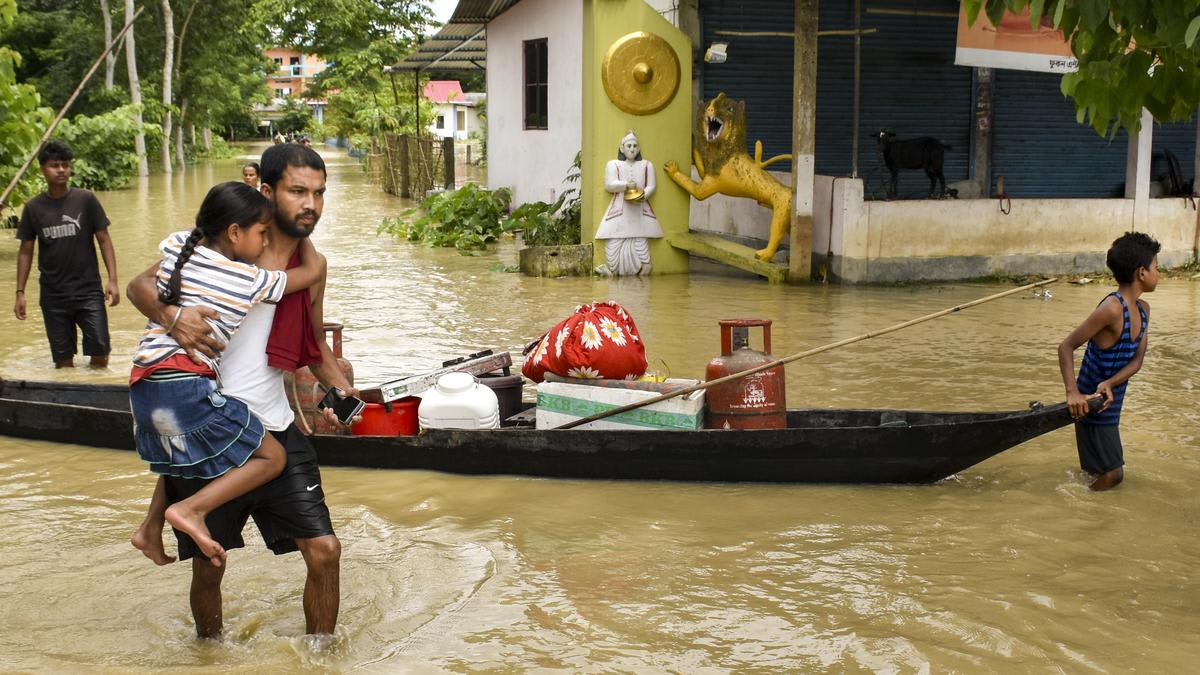
Assam faces an unprecedented flood crisis with the death toll reaching 47 and over 7 lakh people affected. Unusual rainfall patterns and water surges from Nagaland have devastated districts previously considered safe from severe flooding.
The Unprecedented Scale of Assam's Monsoon Crisis
Assam is currently grappling with a humanitarian crisis of significant proportions, as the death toll from the ongoing monsoon floods has climbed to 47. With more than 7.21 lakh people affected, the state is witnessing what officials have described as devastation of an "unimaginable scale." The situation is compounded by the fact that over 800 villages remain submerged, forcing more than 24,000 displaced citizens to seek shelter in 103 government-run relief camps.
A Shift in Geographic Vulnerability
What distinguishes this year’s flood cycle from historical patterns is the shifting course of the deluge. Traditionally, Assam’s flood management focuses heavily on the banks of the Brahmaputra and its established tributaries. However, this year, the impact has been most severe in eastern districts—Sivasagar, Charaideo, Jorhat, and Golaghat—which historically lack a high-risk profile for such catastrophic flooding. This shift has caught local infrastructure off guard, as the water is currently surging over open terrain rather than following traditional drainage channels.
The Role of Meteorological Extremes
Chief Minister Himanta Biswa Sarma has pointed to a combination of extreme meteorological events as the primary driver of this disaster. Data indicates that localized rainfall has been 436% above normal levels. Furthermore, the situation was exacerbated by cloudbursts in the neighboring state of Nagaland, specifically in the Mon district. The resulting "wall of water" spilled across borders, overwhelming embankments and inundating regions that were previously considered safe, effectively rendering standard flood-preparedness protocols insufficient.
Critical Assessment of State Preparedness
While the state government has argued that the intensity of the event made it impossible to prepare, this assertion has sparked debate regarding the static nature of Assam's disaster response. Critics suggest that the trajectory of these floods indicates a need to move beyond traditional embankment-based mitigation. As water continues to flow through non-traditional paths, the current reliance on existing infrastructure seems increasingly inadequate for the new reality of climate-induced extreme weather.
Future Implications and Outlook
As the state continues to manage the immediate aftermath, the focus must shift toward long-term resilience. The fact that districts without a history of flooding are now epicenter zones suggests that flood mapping and early warning systems across the Northeast must be integrated more effectively. Moving forward, the state will likely face immense pressure to modernize its disaster management strategies to account for the unpredictable nature of cross-border water surges and the increasing frequency of extreme precipitation events.
Multiple Citing Sources
Verification Required?