Pak-Based Handles Active During Op Sindoor Spread Rumours Amid Protests: Cops
Source Entity
NDTV News Search Records Found 1000
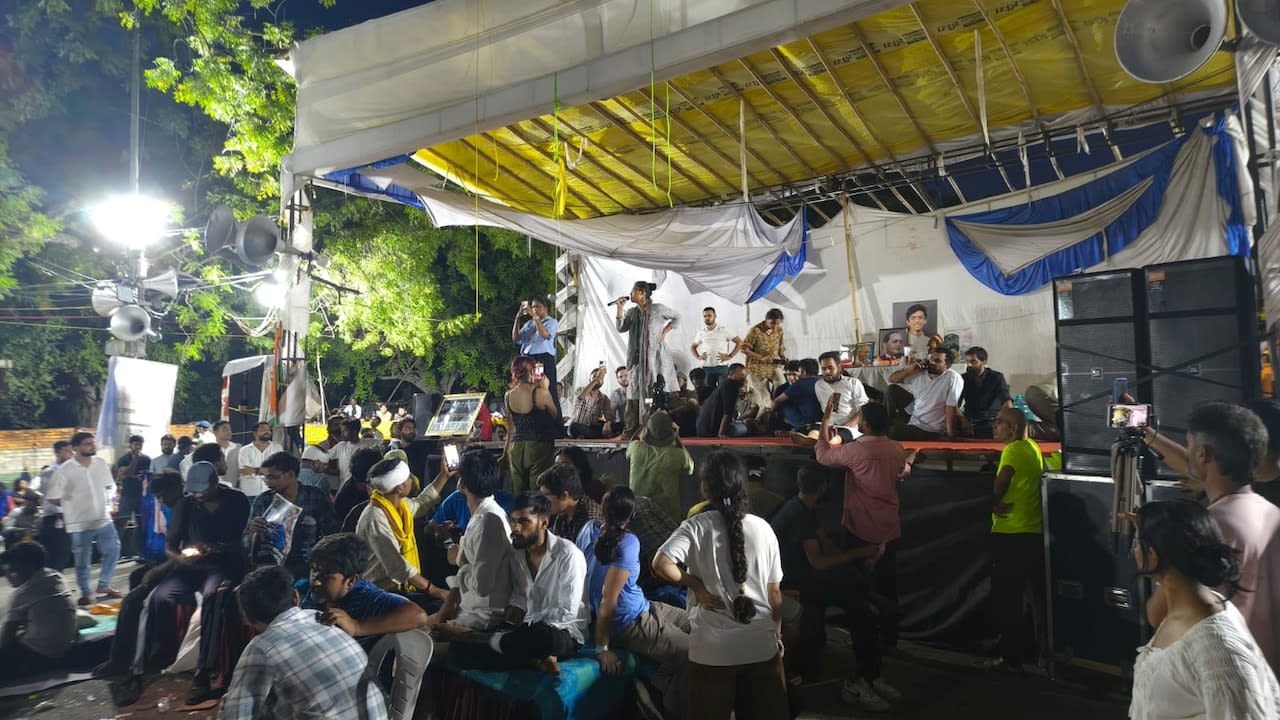
The Delhi Police have identified and blocked over 400 Pakistani social media handles for inciting unrest through misinformation during recent NEET protests. These accounts were previously linked to Operation Sindoor, prompting authorities to urge students and the public to verify information before sharing.
The Digital Front: Analyzing the NEET Protest Disinformation Campaign
Recent developments in the investigation of the NEET protests have revealed a significant coordinated effort by foreign entities to exploit domestic tensions. The Delhi Police have confirmed the identification and subsequent blocking of over 400 social media handles originating from Pakistan, which were found to be actively spreading misinformation and provocative rumors. This intervention highlights a growing trend where localized civil unrest is increasingly targeted by external actors seeking to amplify social friction through digital channels.
Historical Context: The Shadow of Operation Sindoor
Crucially, the Delhi Police have linked these specific digital actors to a previous campaign known as 'Operation Sindoor.' The recurrence of these specific handles suggests a sustained, long-term strategic interest by these entities in destabilizing the Indian social fabric. By leveraging established networks that were active in prior influence operations, these actors demonstrate a sophisticated understanding of how to weaponize existing societal grievances to sow discord and distrust in institutional processes.
The Mechanics of Digital Influence
These foreign-based accounts do not operate in a vacuum; they function by infiltrating ongoing discourse, particularly during sensitive times like the current NEET protests. By injecting fake narratives, these actors aim to provoke emotional reactions from the student population and the general public, thereby escalating peaceful protests into broader civil instability. The strategy relies heavily on the rapid virality of social media, where unverified claims are often shared before they can be debunked, effectively weaponizing the speed of information against the integrity of national discourse.
The Role of Institutional Response
In response to this digital subversion, the Delhi Police have adopted a dual approach: technical intervention through account blocking and a public-facing awareness campaign. By urging students to exercise caution and verify information, the authorities are attempting to foster a more resilient digital citizenry. This emphasis on 'fact-checking' is a direct acknowledgment that in the modern era, information security is as vital to public order as physical security, particularly when the discourse surrounds sensitive educational and political issues.
Future Trends and Security Implications
Looking ahead, the intersection of foreign influence operations and domestic protests appears to be a permanent fixture of the current geopolitical landscape. As digital platforms continue to evolve, the challenge for law enforcement will be to balance the protection of the fundamental right to peaceful protest with the necessity of curbing state-sponsored or malicious misinformation campaigns. The case of the 400 Pakistani handles serves as a stark reminder that the battle for public opinion is increasingly fought in the digital arena, necessitating a more vigilant and media-literate public to prevent external actors from steering internal policies and public sentiment.
Multiple Citing Sources
Verification Required?