Vadodara gets drinking water relief as rain fills Ajwa Lake, schools to remain shut on Friday
Source Entity
Aditi Raja
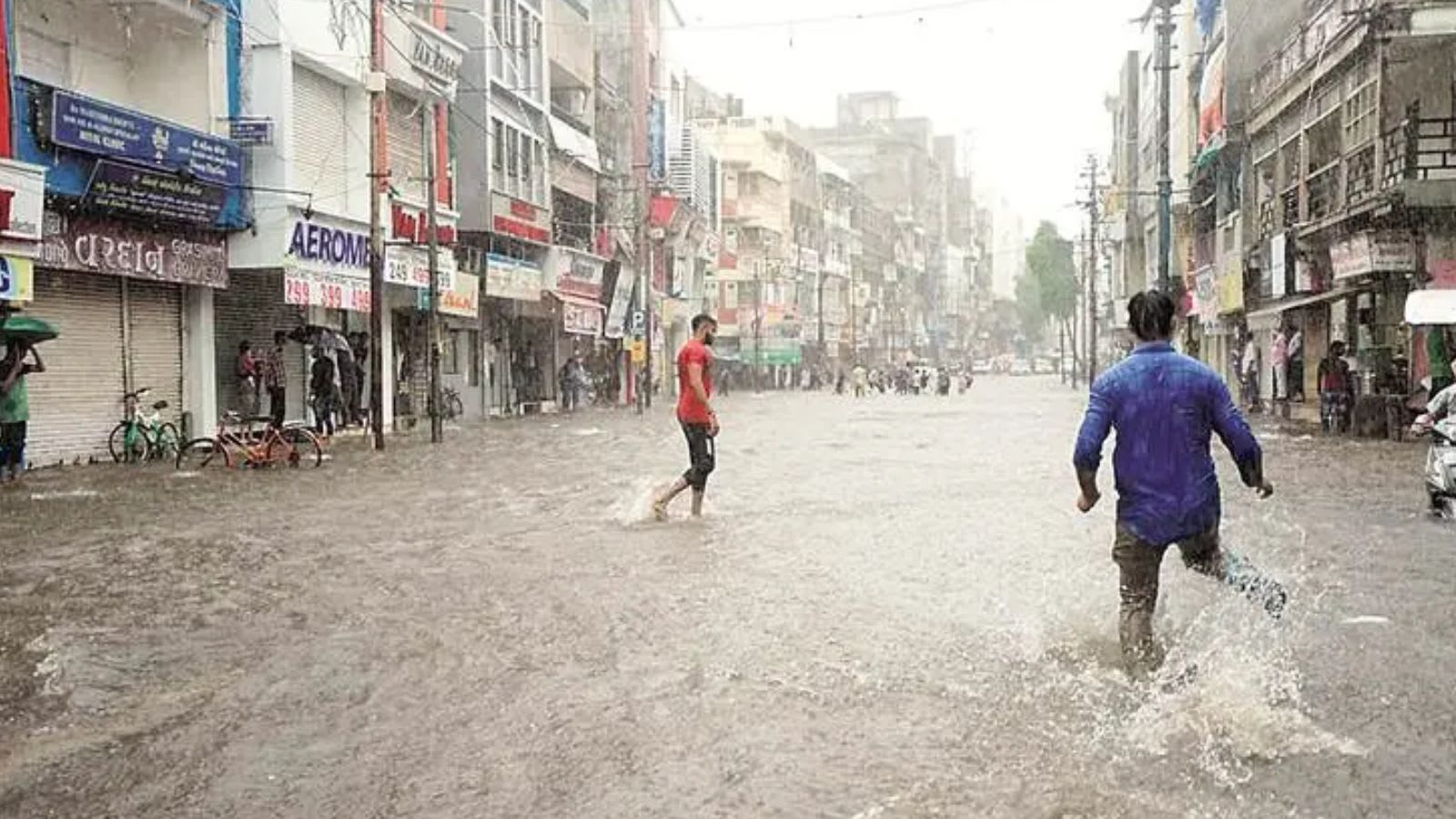
Vadodara has received much-needed rainfall, boosting water levels in the critical Ajwa Reservoir. The local administration has closed schools as a precautionary measure while utilizing smart technology to monitor the situation.
Vadodara Finds Relief as Ajwa Reservoir Levels Rise
Recent meteorological developments in Vadodara have brought a sense of relief to the city’s water management sector. Intermittent rainfall recorded on Thursday, totaling 9 mm by late afternoon and contributing to a three-day cumulative total of 17 mm, has significantly bolstered the levels at the Ajwa Reservoir. As the primary source of drinking water for the region, the replenishment of this reservoir is a critical development for the city's long-term resource stability.
Proactive Civic Administration and School Closures
In response to the shifting weather patterns and the forecast for continued precipitation, the district administration has issued a directive to keep all schools closed on Friday, July 24. This precautionary measure is intended to ensure public safety and minimize traffic congestion, allowing emergency services and civic authorities to operate with greater efficiency. While officials from the Vadodara Municipal Corporation (VMC) have urged residents to remain calm, the closure reflects a proactive stance toward disaster risk reduction.
Leveraging Technology for Disaster Management
Central to the city’s flood preparedness strategy is the activation of the VMC’s Smart City Command and Control Centre. By integrating advanced technological tools, the administration is moving beyond traditional monitoring methods. The deployment of drones, coupled with real-time data from water-level sensors and rain gauges, allows for a granular understanding of flood risks across various municipal zones. This data-driven approach is essential for identifying potential hazards before they escalate into significant crises.
The Role of Data in Urban Resilience
The reliance on the Smart City Command and Control Centre underscores a broader trend in Indian urban governance, where digital infrastructure is increasingly viewed as the backbone of disaster resilience. By utilizing sensors and aerial surveillance, the VMC can make informed decisions regarding water discharge and emergency resource allocation. This shift toward technological integration represents a significant upgrade in the city's capability to manage the volatile nature of monsoon-related challenges.
Future Implications and Sustained Preparedness
Looking ahead, the combination of reservoir replenishment and robust monitoring systems positions Vadodara to handle the ongoing monsoon season with greater confidence. The ability to balance the need for water conservation with the necessity of flood control is a delicate task that requires constant vigilance. As long as the VMC continues to prioritize data-backed decision-making and public safety protocols, the city is well-equipped to mitigate the risks associated with heavy or intermittent rainfall in the coming weeks.