Assam Floods: Death Count Remains At 68, Over 5 Lakh People Affected
Source Entity
NDTV News Search Records Found 1000
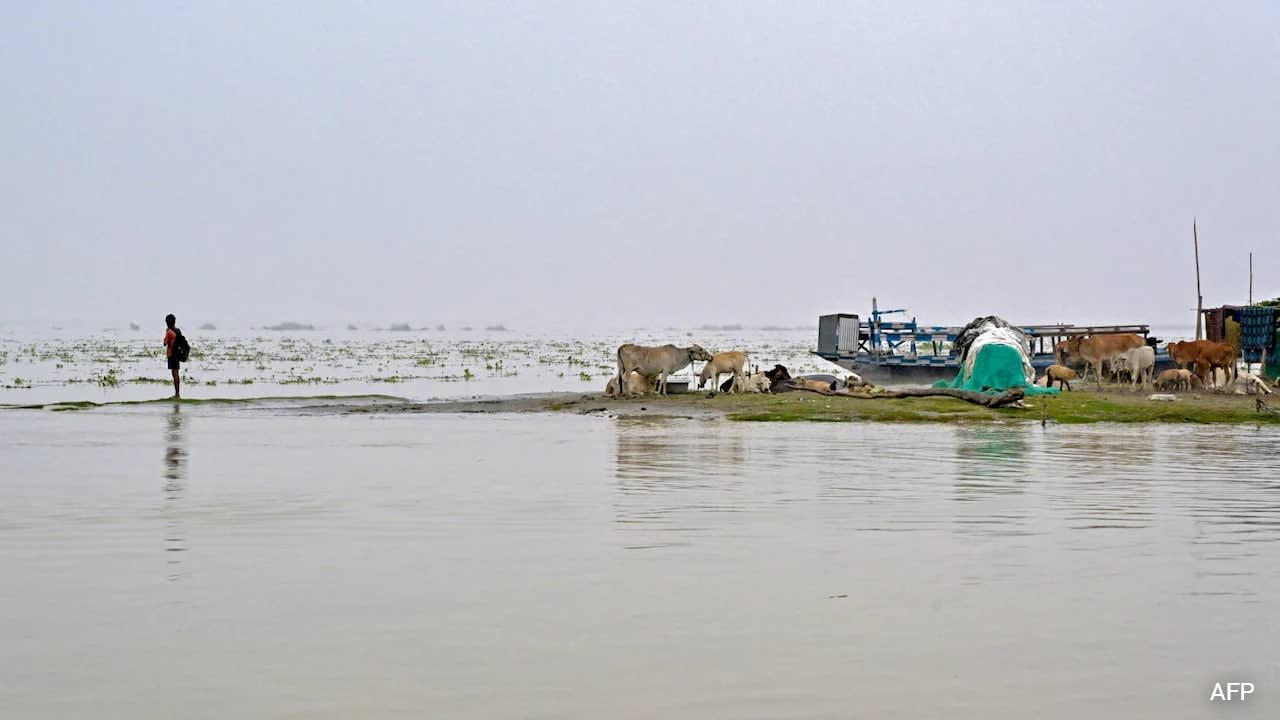
Assam is currently battling severe flooding that has impacted over 5.24 lakh residents across five districts. The death toll from the ongoing disaster remains stagnant at 68.
The Ongoing Crisis: Assam Floods Update
Assam is currently grappling with a significant humanitarian crisis as recurring floods continue to disrupt the lives of its citizens. Recent data indicates that the number of affected individuals has climbed to over 5.24 lakh across five districts. While the immediate focus remains on relief and rescue operations, the stabilization of the death toll at 68 provides a grim benchmark of the severity and the ongoing risks faced by the vulnerable populations in these low-lying regions.
Geographical and Environmental Context
The geography of Assam, characterized by the mighty Brahmaputra River and its numerous tributaries, makes the state perennially susceptible to flooding during the monsoon season. The current surge in water levels across five districts highlights the challenges of water management in a region where heavy rainfall often overwhelms existing infrastructure. These floods are not isolated incidents but represent a recurring environmental reality that mandates long-term structural adaptation.
Humanitarian Impact and Relief Efforts
With more than 5 lakh people affected, the logistical challenge for local authorities is immense. Providing temporary shelter, clean drinking water, and medical aid to such a large displaced population requires a coordinated effort between district administrations and disaster management agencies. The fact that the death count stands at 68 underscores the lethality of the current situation and the urgent need for efficient evacuation strategies to prevent further loss of life.
The Socio-Economic Implications
Beyond the immediate physical danger, the floods carry severe socio-economic consequences for the state. Agriculture is the backbone of the Assamese economy, and floodwaters frequently submerge vast tracts of farmland, destroying standing crops and impacting livestock. The ripple effects of this loss will likely be felt in the coming months, necessitating future economic recovery packages to support farmers and small business owners who have been displaced or suffered property damage.
Looking Toward Future Resilience
The recurring nature of these floods necessitates a shift in focus from purely reactive emergency response to proactive resilience building. Future trends suggest that climate variability may increase the frequency and intensity of such events in the North East region. Integrating advanced hydrological forecasting, strengthening embankments, and implementing sustainable land-use planning are critical steps to mitigate the impact of future disasters. Ensuring the safety of the populace requires a sustained commitment to infrastructure development and community-level disaster preparedness.
Verification Required?