Rain lashes Delhi, IMD issues orange alert across city
Source Entity
India Latest News: Top National Headlines Today & Breaking News | The Hindu
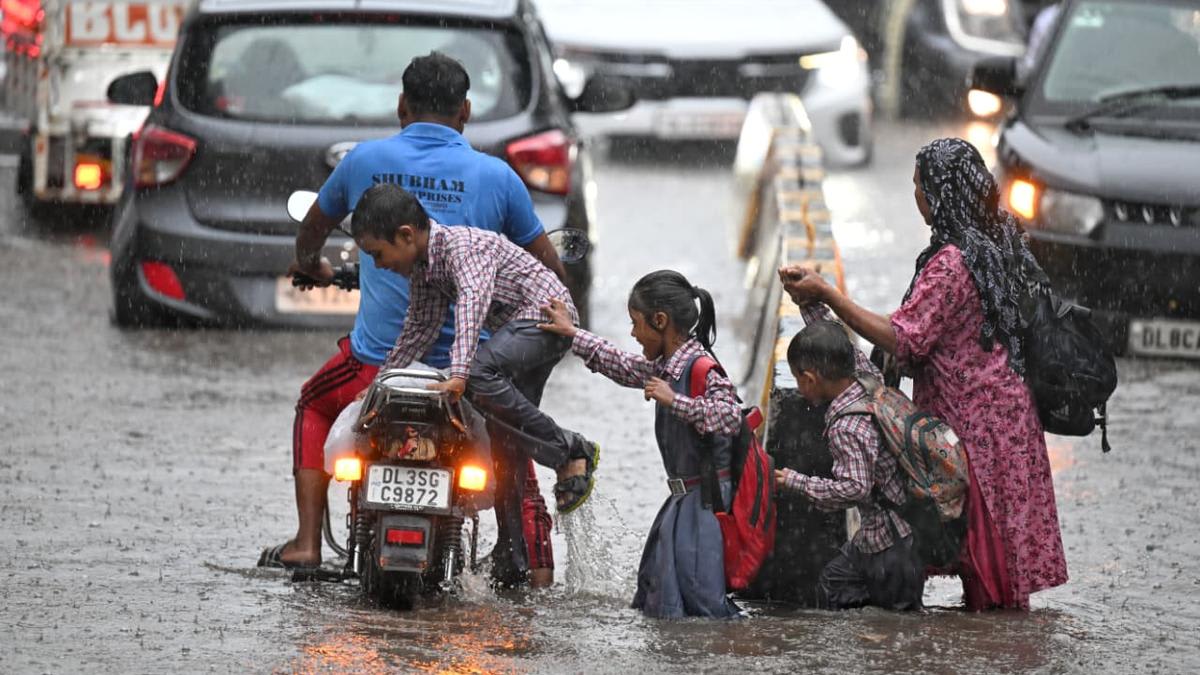
Heavy rainfall across Delhi has triggered an orange alert and widespread waterlogging, particularly in commercial hubs like Sadar Bazar. While the showers have provided relief from humidity, they have also caused significant operational challenges for local businesses.
Delhi Faces Monsoon Deluge: Infrastructure and Climate Challenges
On July 28, 2026, the national capital of Delhi experienced intense monsoon activity, characterized by heavy rainfall and gusty winds. The India Meteorological Department (IMD) responded by issuing an orange alert, signaling potential disruptions due to moderate to heavy showers. This weather event, which saw significant accumulation in key areas like the Ridge (37.6 mm) and Lodi Road (36.7 mm), highlights the recurring vulnerability of the city's urban infrastructure during the monsoon season.
Meteorological Overview and Forecast
The recent spell of rain follows a consistent pattern of precipitation observed since July 27, 2026. The IMD’s forecast suggests that the overcast conditions and thunderstorms are expected to persist, with moderate showers anticipated to continue through Wednesday. This influx of moisture is a welcome relief from the oppressive humidity that had gripped the region previously. Furthermore, meteorological data suggests a downward trend in maximum temperatures over the next six days, providing a temporary respite from the summer heat.
The Impact on Urban Commerce
While the rain is essential for the ecosystem, it has disproportionately impacted the city’s commercial nerve centers. In Old Delhi’s Sadar Bazar, one of the country's largest wholesale hubs, shopkeepers faced severe waterlogging. The situation in Sadar Bazar serves as a grim case study of long-standing infrastructure deficits, where choked drains lead to knee-deep water entering shops. For vendors like Anil Kumar, who has operated in the market for two decades, this flooding is a cyclical struggle that results in significant financial losses and damage to inventory.
Infrastructure and Historical Context
The recurring waterlogging in areas like Sadar Bazar underscores a persistent disconnect between urban development and monsoon preparedness. Despite decades of awareness regarding the city's drainage limitations, the infrastructure in historical and high-density commercial zones remains largely inadequate to handle extreme weather events. The sight of workers struggling to transport goods through flooded streets reflects the resilience of the local economy, but it also highlights the lack of structural mitigation strategies.
Future Trends and Resilience
Looking forward, the combination of heavy precipitation and inadequate drainage systems suggests that Delhi will likely continue to face operational disruptions during the monsoon. As weather patterns become more erratic, the city must prioritize the modernization of its drainage networks to prevent economic losses in vital trading hubs. The reliance on short-term meteorological alerts, while necessary for public safety, must be supplemented by long-term civil engineering projects to ensure that the capital can effectively manage these increasingly intense weather cycles.
Multiple Citing Sources
Verification Required?