Trump, Macron Showdown In Making? US Diplomats Walk Out On France At UN Meeting
Source Entity
NDTV News Search Records Found 1000
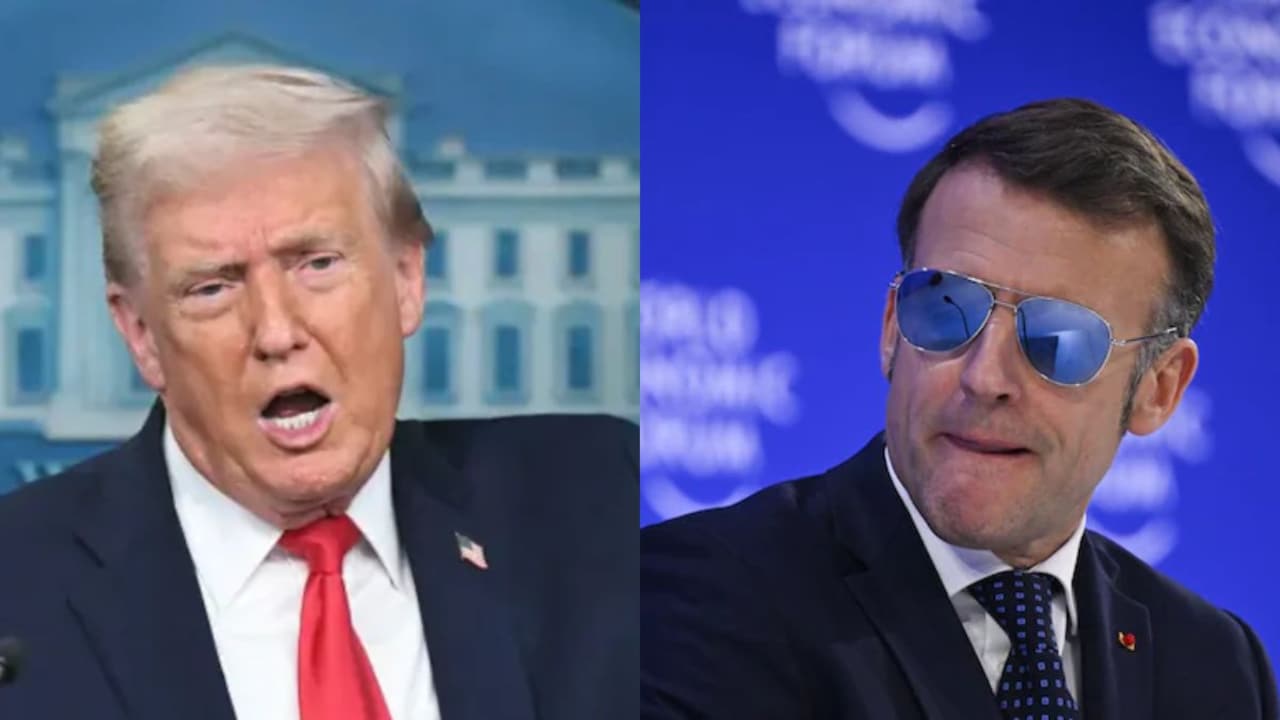
A sharp diplomatic rift has emerged between the US and France at the UN following Washington's opposition to the extension of Volker Turk's term as human rights chief. The tension escalated after France compared the US voting record to authoritarian regimes, prompting a walkout by US diplomats.
Diplomatic Tensions Erupt at the UN
The recent diplomatic standoff at the United Nations, characterized by the US delegation walking out during remarks made by France, serves as a stark indicator of the deepening fractures within the Western alliance. This incident, triggered by a broader disagreement regarding the leadership of the UN Office of the High Commissioner for Human Rights, highlights the increasingly divergent paths taken by transatlantic partners on matters of global governance and human rights standards.
The Catalyst: A Contentious Vote
The friction originated when the United States voted against extending the tenure of Volker Turk as the UN High Commissioner for Human Rights. Notably, this vote aligned the US with North Korea and Russia, a voting bloc that drew immediate and sharp criticism from international observers. By opposing the extension of a mandate often viewed as a cornerstone of the UN’s human rights machinery, the US signaled a significant shift in its approach to multilateral human rights oversight.
Rhetorical Escalation and the French Response
France’s subsequent critique of the US position was blunt and public. By utilizing social media to label the US as no longer a 'beacon of human rights' and drawing direct comparisons to authoritarian states, Paris challenged the moral standing of the American delegation. This public rebuke was perceived by Washington not merely as a policy disagreement but as a fundamental questioning of its democratic integrity, leading directly to the confrontational atmosphere at the Security Council meeting.
The US Defense and Counter-Accusations
US Ambassador Mike Waltz defended the administration's stance by framing the issue as a rejection of institutional overreach. Waltz accused the human rights leadership of 'lecturing' democratic nations while failing to maintain appropriate distance from oppressive regimes. This rhetoric suggests a growing frustration within the current US administration regarding how international institutions evaluate and criticize democratic processes, marking a departure from traditional diplomatic norms.
Broader Implications for Global Diplomacy
This walkout is not an isolated event but rather a symptom of wider, systemic tensions between the US and European powers. As the international order faces pressure from non-democratic actors, the fracturing of the US-France relationship—historically one of the oldest and most significant alliances—could complicate efforts to form a unified front on global issues. The ability of these two nations to reconcile their differences will be critical for the future efficacy of the UN Security Council.
Looking Ahead: A New Era of Friction
Moving forward, this rift suggests that the US may continue to prioritize its national interpretation of human rights over the consensus-driven models favored by European allies. If this trend persists, we may witness a decline in the effectiveness of international human rights bodies, as the world's leading democracies struggle to maintain a coherent narrative. The diplomatic fallout from this meeting likely signals a period of volatility in transatlantic cooperation that will require significant de-escalation efforts.
Multiple Citing Sources
Verification Required?