H-1B holders at risk of deportation as USCIS terminates alternative visa route, ‘Leaving now would be…’
Source Entity
Latest News: Todays Latest News Headlines from India & World | Hindustan Times | Hindustan Times
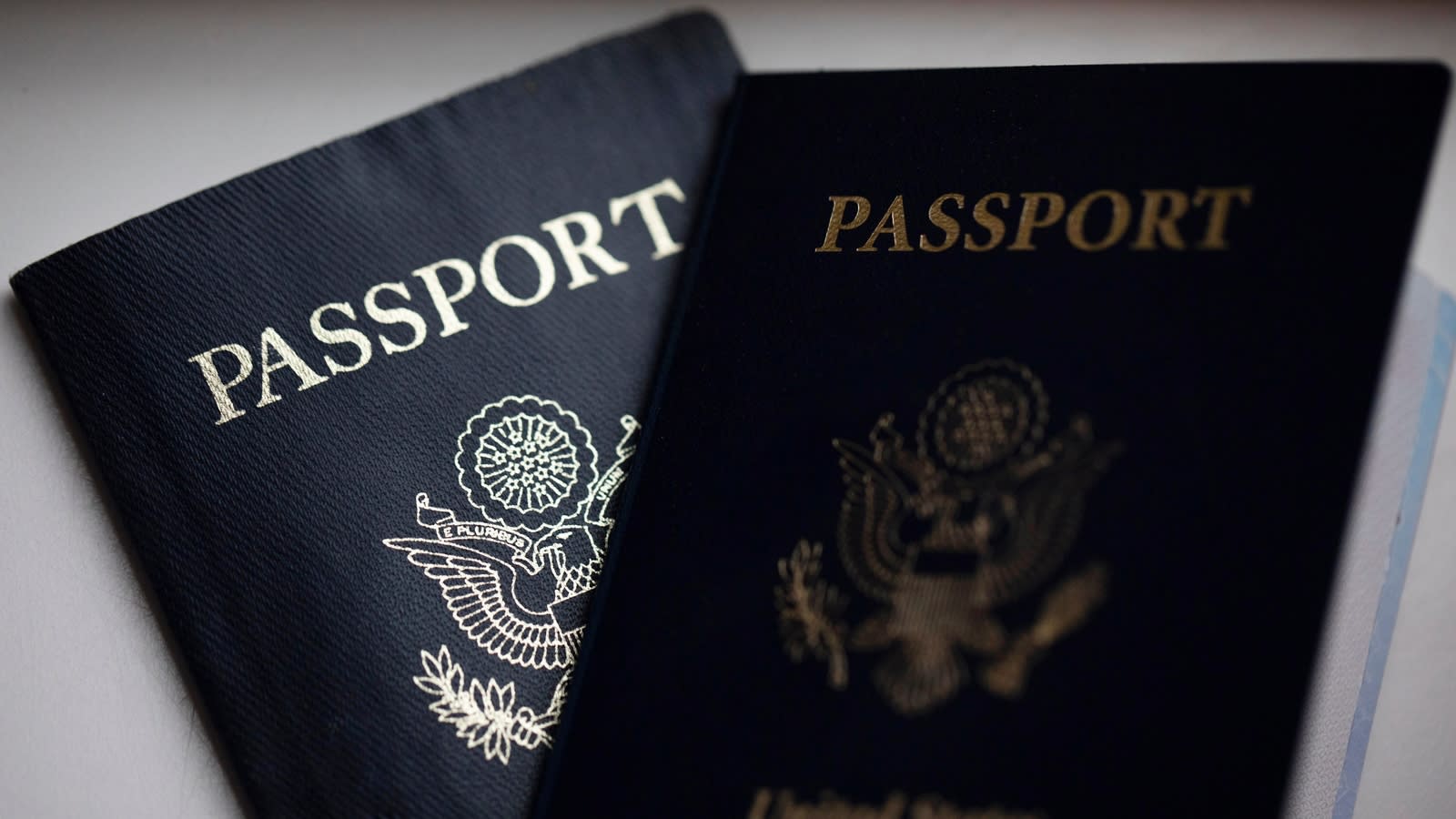
USCIS is increasingly denying H-1B visa holders the ability to transition to B-2 tourist status after job loss. This shift effectively eliminates a critical buffer for skilled workers, forcing many to face potential deportation if they cannot secure new employment within 60 days.
The Shrinking Safety Net for H-1B Workers
For years, the H-1B visa program has served as the backbone of the American technology and professional services sectors. However, the recent trend of USCIS denying requests to change status to B-2 (tourist) visas for laid-off workers represents a significant tightening of immigration policy. Traditionally, when an H-1B professional lost their job, they were granted a 60-day grace period to secure new employment. If that window closed, many sought a B-2 visa to remain in the country for a longer duration to continue their job search, effectively treating the B-2 as a bridge.
The Erosion of the B-2 'Bridge'
The recent shift in adjudications suggests that immigration authorities are scrutinizing the intent behind these B-2 applications more rigorously than ever. By denying these status changes, USCIS is essentially signaling that a B-2 visa—intended for tourism—is not an appropriate vehicle for job hunting or maintaining residency while unemployed. This creates a precarious situation for skilled workers who have invested years in the U.S. economy, as they now face a much narrower window to rectify their legal status before being forced to depart.
Broader Implications for the Tech Labor Market
The implications of this policy shift extend far beyond individual visa holders. The H-1B program is designed to attract global talent to fulfill specialized roles in high-demand fields. When these workers are suddenly stripped of their ability to transition status, the resulting uncertainty may discourage international professionals from pursuing careers in the United States. This could exacerbate existing talent shortages in critical sectors, as skilled workers may opt for more predictable immigration pathways in other developed nations.
Historical Context and Policy Rigidity
Historically, the H-1B to B-2 transition was a common, if informal, safety valve within the U.S. immigration system. It allowed for a cooling-off period during economic downturns or mass layoffs within the tech industry. The current move toward rigid enforcement reflects a broader administrative push to ensure that visa holders strictly adhere to the specific terms of their status. While this promotes consistency in immigration law, it also removes the flexibility that previously helped the U.S. retain specialized expertise during periods of labor market volatility.
Predicting Future Trends
Looking ahead, we can expect increased anxiety among the H-1B community and potential shifts in how companies manage layoffs for visa-holding staff. If the trend of denying B-2 status changes continues, employers may feel pressured to offer longer severance or specialized legal support to help employees find new roles within the 60-day deadline. Furthermore, this trend may prompt a surge in legal challenges or formal requests for regulatory clarity, as the current environment leaves little room for error for those caught in the middle of a workforce reduction.
Conclusion: A New Era of Uncertainty
In summary, the denial of B-2 status changes for former H-1B holders marks a pivotal shift in U.S. immigration enforcement. By removing a critical extension mechanism, the government is forcing a more rapid departure of skilled professionals. This policy change underscores the necessity for visa holders to have robust contingency plans, as the traditional 'grace period' approach to maintaining legal status in the United States is becoming increasingly difficult to navigate.
Verification Required?