Fruits, vegetables adorn Srisailam temple to mark ‘Shakambari Utsavam’ celebrations
Source Entity
India Latest News: Top National Headlines Today & Breaking News | The Hindu
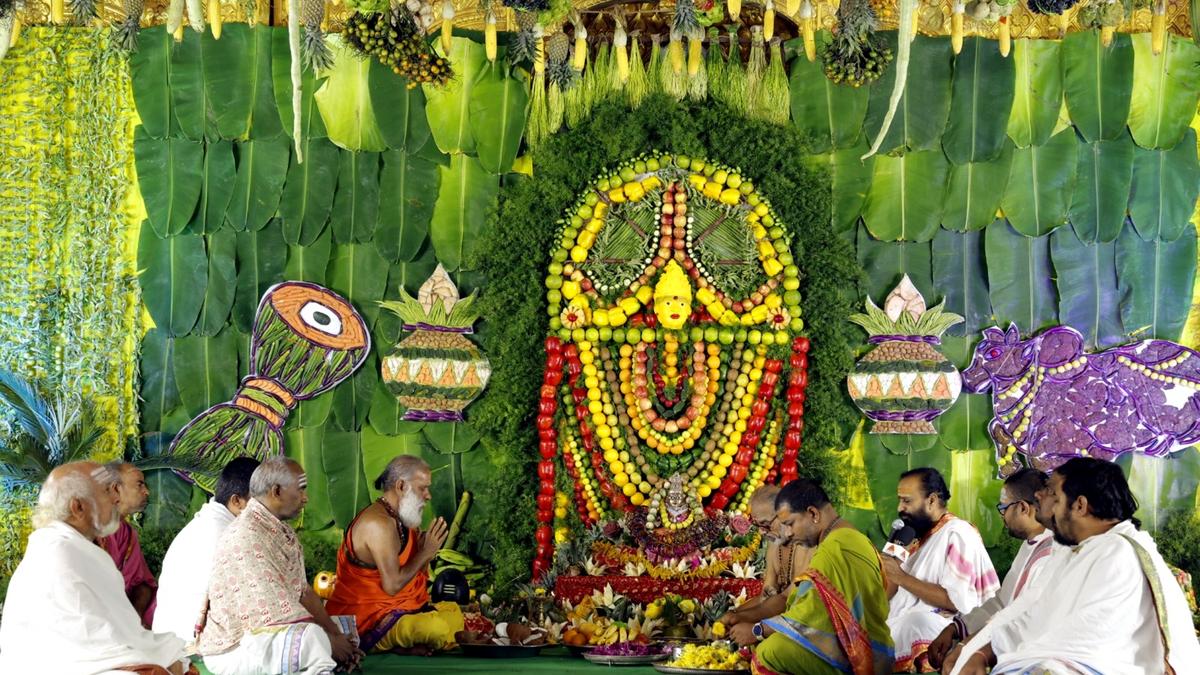
The Sakambari Utsavams concluded at Kanaka Durga and Srisailam temples, drawing thousands of devotees. The festivals focused on prayers for agricultural prosperity and environmental abundance through elaborate ritual offerings.
The Significance of Sakambari Utsavams
The recent conclusion of the Sakambari Utsavams at the Sri Durga Malleswara Swamy Varla Devasthanam on Indrakeeladri and the Sri Bhramaramba Mallikarjuna Swamy temple in Srisailam marks a significant cultural and spiritual milestone. These festivals, held during the auspicious period of Ashadha Purnima, serve as a profound expression of gratitude and hope for the agricultural sector, reflecting a deep-rooted connection between divine devotion and the seasonal harvest cycle.
Rituals and Agricultural Prosperity
At the heart of the celebrations is the invocation of the Goddess in her 'Sakambari' form—the provider of vegetables and greens. By adorning the deities with 45 tonnes of produce at Kanaka Durga temple and similar offerings at Srisailam, devotees participate in a symbolic act meant to ensure timely rains and the fertility of the land. The meticulous performance of Vedic rituals, including Maha Poornahuti, Kalasodvasana, and Marjanam, underscores the adherence to ancient 'Agama' scriptures, which dictate the precise methodology for these prayers for universal well-being.
The Scale of Devotional Participation
With an estimated 2.5 lakh devotees gathering at Indrakeeladri, the festival highlights the massive social and religious impact of these events in Andhra Pradesh. The transformation of the sanctum into a vibrant display of nature’s bounty serves not only as a religious rite but as a communal event that reinforces local traditions. The involvement of temple Sthanacharyas, Vedic scholars, and trust board officials ensures that these practices are preserved and executed according to established traditions.
Broader Implications and Cultural Continuity
Beyond the immediate religious experience, the Sakambari Utsavams represent a sustained commitment to ecological and agricultural wellness. By praying for the well-being of farmers, the temple authorities acknowledge the vital role that agriculture plays in the stability of society. The ritualistic use of diverse fruits and vegetables serves as a reminder of the bounty of the earth, fostering a culture of conservation and respect for natural resources.
Future Trends in Temple Traditions
As these festivals continue to draw record crowds, the management of such large-scale events will likely evolve to integrate better crowd management and sustainable practices for the distribution of the sacred offerings. The consistency with which these rituals are performed annually suggests that they will remain a pillar of regional identity. The integration of traditional Vedic practices with the logistical needs of modern-day pilgrimage ensures that the legacy of the Sakambari Utsavams will continue to thrive for future generations.
Verification Required?