Heavy rain lashes Delhi-NCR, waterlogging in several areas
Source Entity
TOI CITY DESK
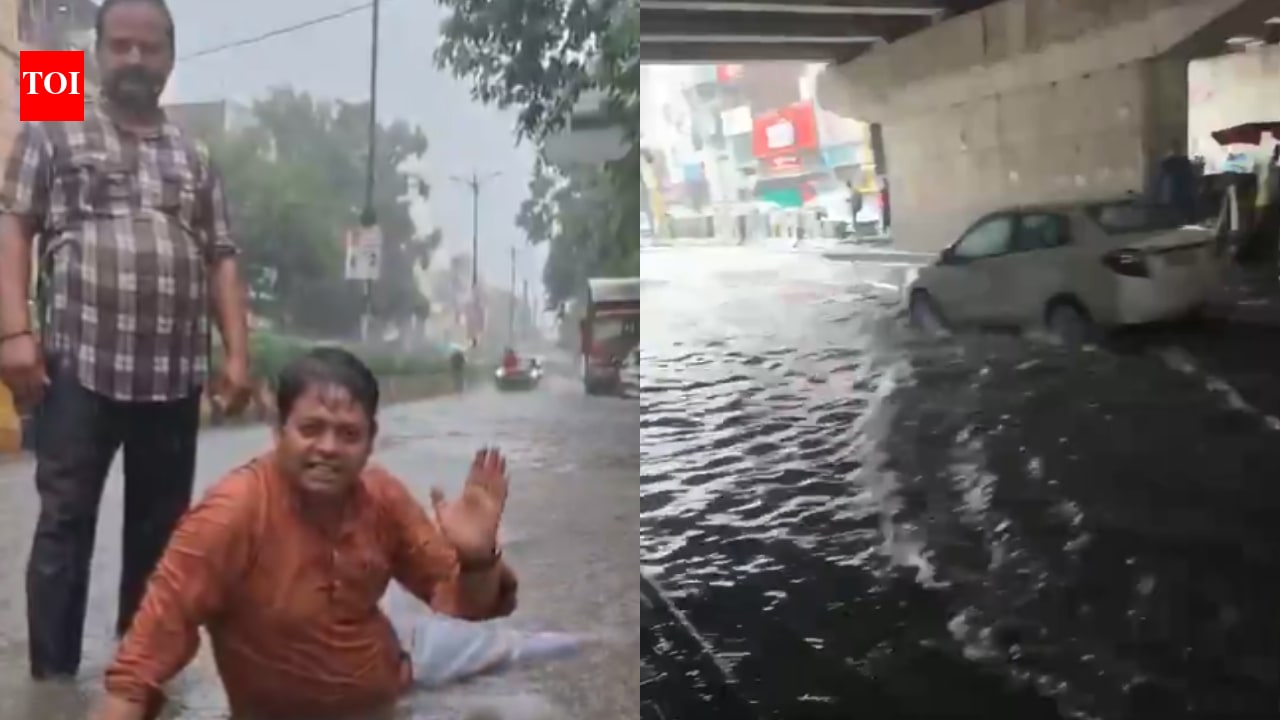
Heavy rainfall has triggered severe waterlogging across Delhi-NCR and Chandigarh, prompting the IMD to issue red and orange alerts. Local businesses in historic hubs like Sadar Bazar are facing significant financial losses due to persistent drainage failures.
The Monsoon Crisis: Delhi-NCR Faces Severe Waterlogging
The National Capital Region (NCR) is currently grappling with the severe consequences of intense monsoon rainfall, which has led to widespread waterlogging and significant urban disruption. According to the India Meteorological Department (IMD), the heavy downpours have brought much-needed relief from stifling humidity; however, the infrastructure strain has become painfully apparent. With 'Red' and 'Orange' alerts issued for the region, the meteorological outlook suggests that intermittent thunderstorms and moderate precipitation will persist, likely keeping temperatures suppressed for the next six days.
The Recurring Plight of Historic Markets
The human cost of this weather event is most visible in historic commercial hubs like Sadar Bazar. As one of India's largest wholesale markets, its inability to cope with standard monsoon cycles is a long-standing issue. Shop owners, such as Anil Kumar, report that the flooding of storefronts—which house goods ranging from glassware to furniture—is a repetitive, decades-old struggle. The sight of workers attempting to salvage inventory in knee-deep water highlights a systemic failure in urban drainage management that continues to inflict heavy financial losses on local traders.
Meteorological Data and Regional Impact
Data from the IMD’s base weather station at Safdarjung recorded 32.4 mm of rainfall by 8:30 am, with significant accumulation also noted at the Ridge (37.6 mm) and Lodhi Road (36.7 mm). The intensity of these rains is not confined to Delhi, as Chandigarh also faced severe waterlogging, with vehicles struggling to navigate flooded arterial roads. This regional pattern of heavy rainfall, accompanied by gusty winds, indicates a widespread atmospheric disturbance impacting the northern plains of India.
Infrastructure and Urban Planning Challenges
The recurring nature of the waterlogging in Delhi’s wholesale centers serves as a critical indicator of aging infrastructure that has failed to keep pace with rapid urbanization. When drainage systems are perpetually choked, even moderate rainfall events translate into catastrophic flooding for small businesses. The reliance on manual efforts, such as shopkeepers bailing out water with buckets, underscores the lack of effective flood mitigation strategies in these high-density zones.
Future Trends and Predictions
Looking ahead, the IMD’s forecast of continued precipitation suggests that the risk of waterlogging will remain high throughout the week. While the cooling effect of the rain is a welcome change for the general public, the economic impact on the logistics sector—specifically for those transporting goods via cycle rickshaws and on foot in markets like Sadar Bazar—will likely be severe. Future urban planning in the NCR must prioritize the modernization of drainage networks to ensure that the city's commercial nerve centers can remain operational despite the challenges posed by the monsoon season.
Multiple Citing Sources