AT&T won’t need to worry about SpaceX for ‘years,’ analyst says
Source Entity
William Gavin
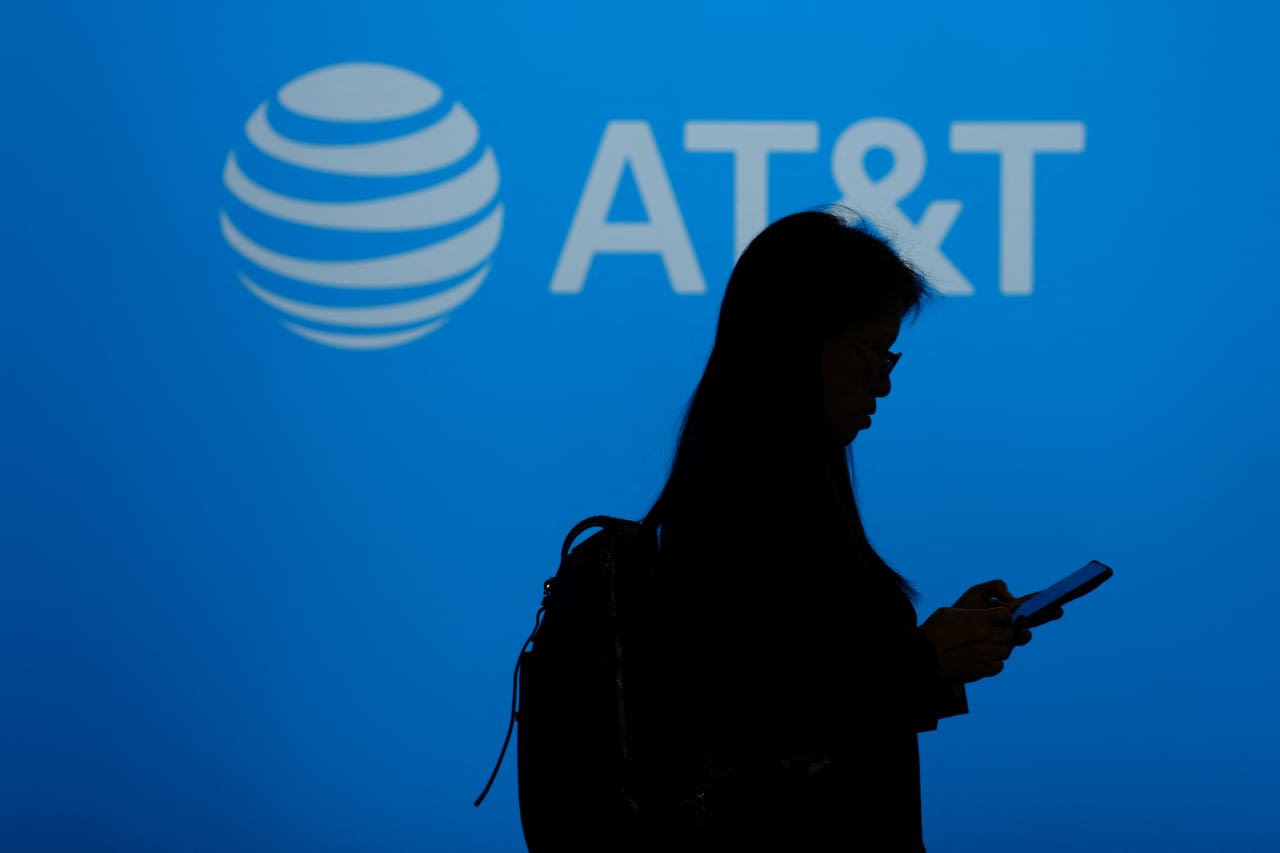
Analysts suggest AT&T faces no immediate threat from SpaceX's Starlink in the near term. Despite this, Starlink remains a persistent market concern that could influence wireless stock valuations.
The Competitive Landscape: AT&T vs. Starlink
Recent market analysis indicates that AT&T is insulated from direct competitive pressure by SpaceX’s Starlink for the foreseeable future. While the satellite internet sector is rapidly evolving, the infrastructure and regulatory barriers currently favor established telecommunications giants like AT&T, which rely on extensive terrestrial fiber networks and mature mobile spectrum holdings to serve their massive subscriber bases.
Why Starlink Isn't an Immediate Threat
The technological architecture of Starlink, while revolutionary in its ability to provide high-speed internet to remote or underserved locations, currently lacks the capacity and density required to disrupt the urban and suburban wireless markets where AT&T derives its primary revenue. The latency and bandwidth management required for high-density mobile traffic remain significant hurdles for satellite-based constellations compared to traditional cellular towers.
The 'Overhang' Effect on Wireless Stocks
Despite the lack of an immediate operational threat, the mere existence of Starlink creates a psychological and financial 'overhang' on wireless stocks. Investors often price in future potential disruptions, meaning that even if AT&T is safe today, the stock price may remain suppressed or volatile as market participants constantly weigh the long-term potential of SpaceX to scale its direct-to-cell capabilities.
Historical Context of Telecommunications Shifts
The telecommunications industry has historically weathered various technological shifts, from the transition from copper to fiber to the advent of 5G. In each instance, incumbent carriers have utilized their scale and regulatory moats to integrate new technologies or pivot their business models. The current situation with Starlink mirrors these historical cycles, where new entrants force incumbents to refine their value propositions.
Future Trends and Market Outlook
Looking ahead, the relationship between terrestrial wireless and satellite internet will likely move from pure competition toward strategic integration. We may see more partnerships emerge where satellite connectivity acts as a supplemental feature for dead zones rather than a total replacement for mobile services. For AT&T, the strategy will likely remain focused on maximizing fiber deployment while monitoring the satellite market for potential shifts in technological viability.
Conclusion: Assessing the Long-Term Risk
Ultimately, while AT&T appears secure in its current position, the wireless sector will continue to feel the pressure of the 'Starlink overhang.' This is a classic case of market sentiment outstripping current operational reality. As SpaceX continues to launch satellites and improve its direct-to-cell technology, the narrative surrounding wireless stocks will likely remain focused on how well traditional carriers adapt to this evolving satellite-driven landscape.
Verification Required?