NEET row: Delhi HC notifies special fast-track court, judge following PM's announcement
Source Entity
TOI CITY DESK
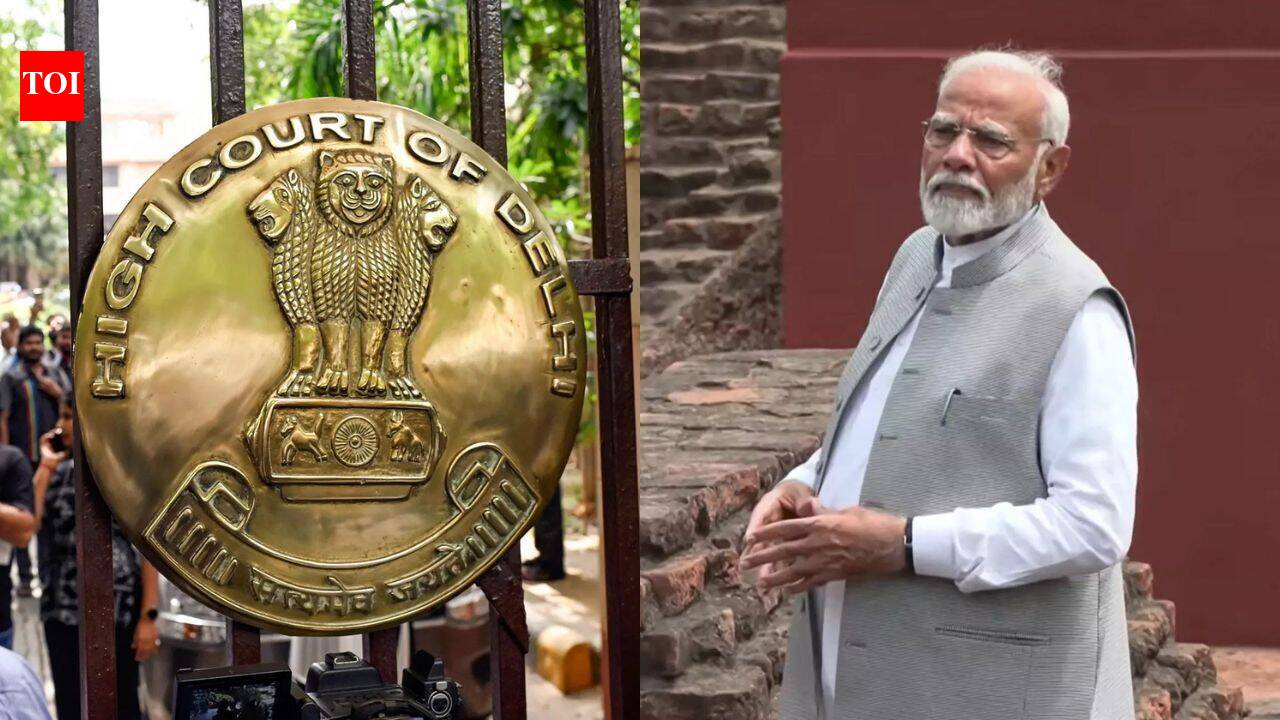
The Monsoon Session of Parliament faced immediate disruption as Opposition parties protested the NEET paper leak and Ayodhya temple donation theft. Simultaneous mass protests in Delhi led to police intervention, stalling legislative business except for a key judicial expansion bill.
Parliament Monsoon Session Disrupted by Widespread Protests
The Monsoon Session of Parliament commenced on July 20, 2026, under a cloud of intense political volatility. The first day was effectively washed out as Opposition MPs from the Congress, Samajwadi Party, and Trinamool Congress stormed the Well of the House. The primary catalysts for this parliamentary paralysis were the alleged NEET paper leak and reports of donation theft at the Ram Temple in Ayodhya, issues that the Opposition utilized to corner the Treasury benches.
The NEET Controversy and Public Unrest
Beyond the chambers of Parliament, the streets of Lutyens’s Delhi bore witness to significant civil unrest. An estimated 50,000 protesters, largely mobilized by the Cockroach Janta Party (CJP), converged on the capital to demand the resignation of Union Education Minister Dharmendra Pradhan. The protest, centered on allegations of CBSE exam irregularities and the NEET paper leak, saw demonstrators breaking through police barricades, necessitating a heavy-handed response from security forces involving lathicharge, tear gas, and water cannons.
Parliamentary Stagnation
Inside the Lok Sabha, the atmosphere was equally charged. The House witnessed six consecutive adjournments before being called off for the day at 3 p.m. While the Opposition remained united in their demand for accountability regarding the NEET scandal, fissures in the broader Opposition strategy were visible; notably, the DMK chose to prioritize the Mekedatu issue and distanced itself from the Congress-led protest strategy. This internal fragmentation highlights the complex, multi-issue landscape the Opposition is currently navigating.
Legislative Priorities vs. Political Gridlock
Despite the chaotic environment, the government managed a singular, albeit significant, legislative action. Union Law Minister Arjun Ram Meghwal introduced a Bill aimed at replacing an existing Ordinance. This legislation seeks to increase the sanctioned strength of the Supreme Court of India from 34 to 38 judges, including the Chief Justice. This move, intended to tackle judicial backlog, stood in stark contrast to the surrounding political clamor.
Historical Context and Future Implications
Parliamentary disruptions have become a recurring feature of the Indian legislative landscape, often reflecting the deep-seated polarization between the ruling coalition and the Opposition. The inclusion of emotive issues—such as the Ayodhya Ram Temple donation theft—alongside systemic grievances like the NEET paper leak, suggests a strategy aimed at maximizing public visibility. As the session progresses, the government will face the dual challenge of managing a volatile Opposition and addressing the growing public demand for educational reform and institutional integrity.
Conclusion
The failure to conduct substantial business on the opening day underscores the fragility of the current parliamentary session. With the Opposition signaling that the NEET and temple donation issues are non-negotiable, the government will likely continue to face a difficult path in passing its legislative agenda. Whether the administration can pivot to address these grievances or whether the session will remain mired in persistent adjournments remains a critical question for the coming weeks.
Multiple Citing Sources