Burnham tells Swinney independence is 'off limits' at Glasgow Commonwealth Games meeting
Source Entity
BBC News
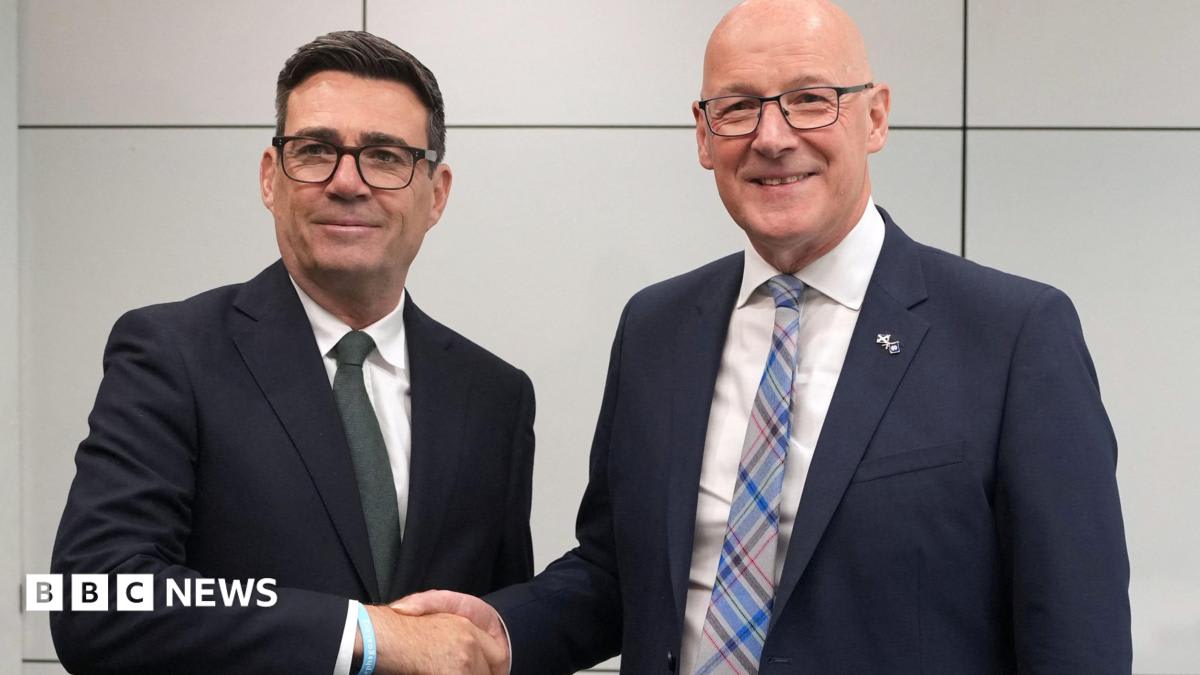
Prime Minister Andy Burnham met with Scottish and Welsh leaders in Glasgow ahead of the 2026 Commonwealth Games. Despite the celebratory nature of the event, Downing Street confirmed that a second Scottish independence referendum remains off the political agenda.
Diplomatic Tensions at the 2026 Commonwealth Games
Ahead of the opening of the 2026 Commonwealth Games in Glasgow, a pivotal series of high-level meetings took place between Prime Minister Andy Burnham and the leaders of the devolved administrations: Scottish First Minister John Swinney and Welsh leader Rhun ap Iorwerth. While the backdrop of the event was intended to be one of international sport and cultural celebration, the underlying political discourse quickly shifted toward the constitutional future of the United Kingdom.
The Independence Question
The primary point of contention, as confirmed by Downing Street, was the status of a potential second Scottish independence referendum. Prime Minister Burnham made it clear that such a measure is currently "off limits." This firm stance underscores the ongoing tension between Westminster and Holyrood, reflecting a broader strategy by the UK government to prioritize stability and economic focus over constitutional upheaval in the wake of the games.
Devolution and Governance
Beyond the independence debate, the meetings touched upon the mechanics of power within the UK. John Swinney received assurances that the Prime Minister would not bypass Holyrood regarding future plans for the devolution of power. This commitment is significant, as it addresses long-standing concerns regarding the balance of authority between the UK government and the Scottish Parliament, suggesting a desire for a more collaborative, albeit strictly defined, intergovernmental relationship.
The Welsh Perspective
Rhun ap Iorwerth, representing the Welsh government, used the forum to advocate for greater equity in regional governance. His call for Wales to achieve "parity of powers" with Scotland highlights the asymmetrical nature of the current devolution settlement. As Westminster navigates these varied demands, the pressure to harmonize the powers of the devolved nations while maintaining the integrity of the Union remains a complex challenge for the current administration.
Broader Implications and Future Trends
These discussions in Glasgow serve as a microcosm of the wider challenges facing the United Kingdom. While the Commonwealth Games act as a catalyst for unity and international visibility, they simultaneously provide a stage for the internal political friction that defines modern British governance. Future trends suggest that while Westminster may hold the line on constitutional status quo, the administrative interplay between the UK government and devolved nations will require increasingly sophisticated diplomacy to prevent legislative or political gridlock.
Conclusion
Ultimately, the meeting between Burnham, Swinney, and ap Iorwerth highlights the delicate balance between hosting national celebrations and managing deep-seated structural disagreements. While the 2026 Commonwealth Games will proceed under a banner of cooperation, the firm refusal to entertain a second referendum ensures that the debate over Scotland's constitutional future remains a central, unresolved pillar of UK politics.