Weekend Drive by Hormazd Sorabjee: Four rings, one splash
Source Entity
Latest News: Todays Latest News Headlines from India & World | Hindustan Times | Hindustan Times
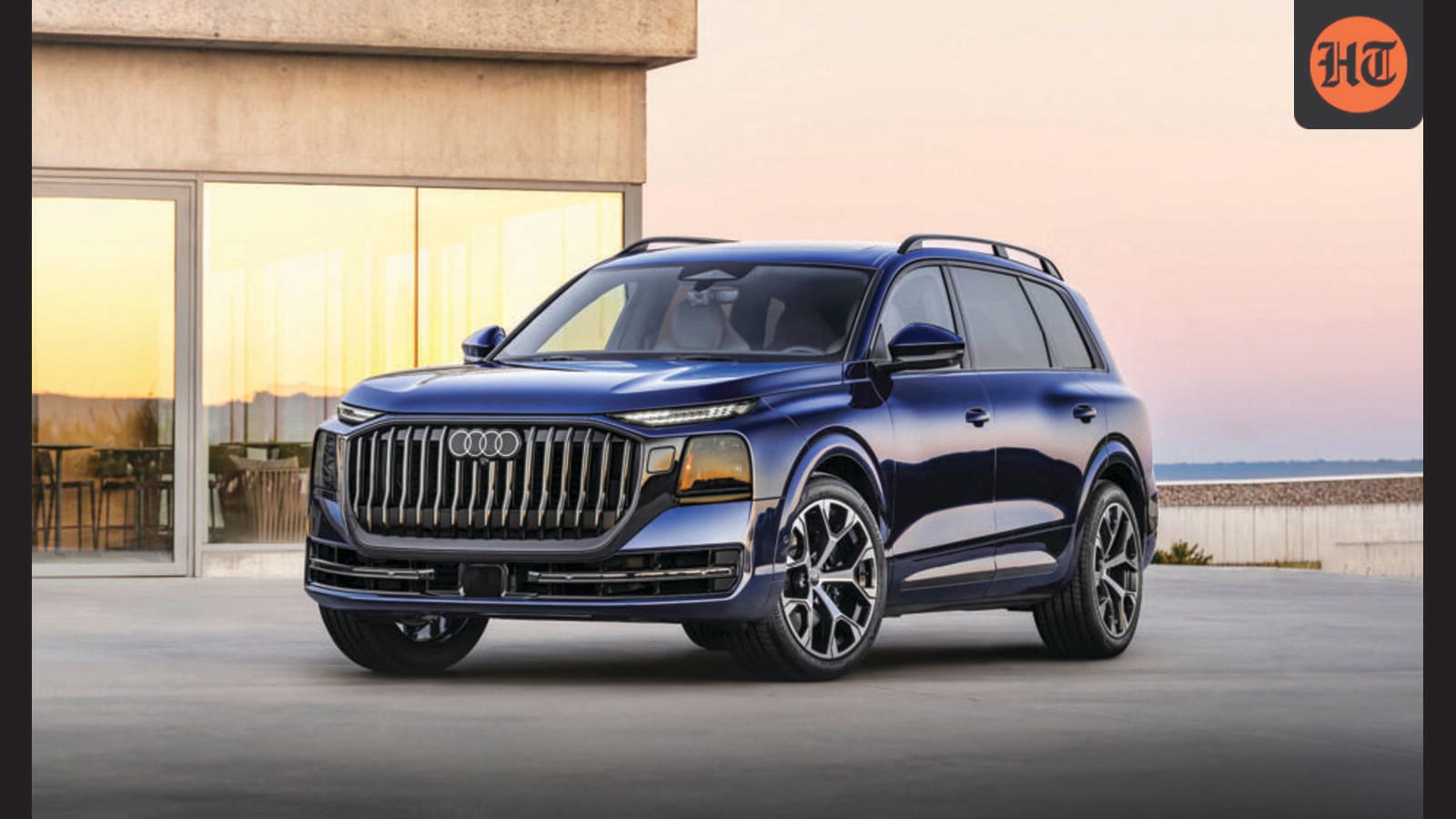
Audi has unveiled the Q9, its largest-ever flagship SUV, designed to compete with the Mercedes-Benz GLS and BMW X7. The vehicle is set for an Indian launch in late 2027, with local assembly planned near Aurangabad to ensure competitive pricing.
Audi's Strategic Pivot: Entering the Ultra-Luxury SUV Segment
Audi has officially signaled a major shift in its product strategy with the introduction of the Q9. By positioning this vehicle as its new flagship, the brand is filling a critical void left by the departure of the A8 limousine. This transition reflects a broader automotive trend where manufacturers are pivoting away from traditional sedans toward high-margin, three-row luxury SUVs that offer versatility, status, and superior comfort for the premium consumer.
Engineering and Design: Scaling Up
Measuring 5.3 meters in length, the Q9 is a significant departure from the Q7, exceeding its predecessor by 25 centimeters. This is not merely an incremental upgrade but a fundamental class jump. The design language emphasizes an imposing aesthetic, featuring a massive grille, muscular wheel arches, and traditional door handles. By eschewing the current industry trend of flush-fitting door handles, Audi is opting for a more utilitarian and robust look that aligns with the expectations of the ultra-luxury segment.
Direct Competition and Market Positioning
For years, Audi lacked a direct rival to the Mercedes-Benz GLS and the BMW X7, often leaving a gap in its showroom for customers seeking maximum cabin space and luxury. The Q9 is engineered specifically to challenge these market incumbents. Beyond just dimensions, the vehicle is marketed as a multifaceted space—described as a "massage parlour" or a mobile venue for entertainment—which highlights the focus on interior experiential luxury rather than just driving dynamics.
Local Manufacturing and the Indian Market
Crucially, Audi has confirmed that the Q9 is slated for the Indian market in the second half of 2027. A key component of this strategy is the plan for local assembly near Aurangabad. By manufacturing locally, Audi aims to bypass heavy import duties, allowing for a more aggressive pricing strategy that could give it a competitive edge against the fully imported or semi-knocked-down models offered by its German rivals.
Future Trends and Technical Innovation
While the Q9 focuses on sheer scale, it also integrates advanced technical features, such as projectors that beam directional arrows onto the tarmac. This indicates that Audi is maintaining its reputation for lighting technology leadership. As the automotive industry moves toward 2027, the success of the Q9 will likely depend on how effectively Audi can translate this "big and better" philosophy into a cohesive user experience that justifies its top-tier status in a crowded luxury market.
Verification Required?