Data centres are booming in Australia - but at what cost?
Source Entity
BBC News
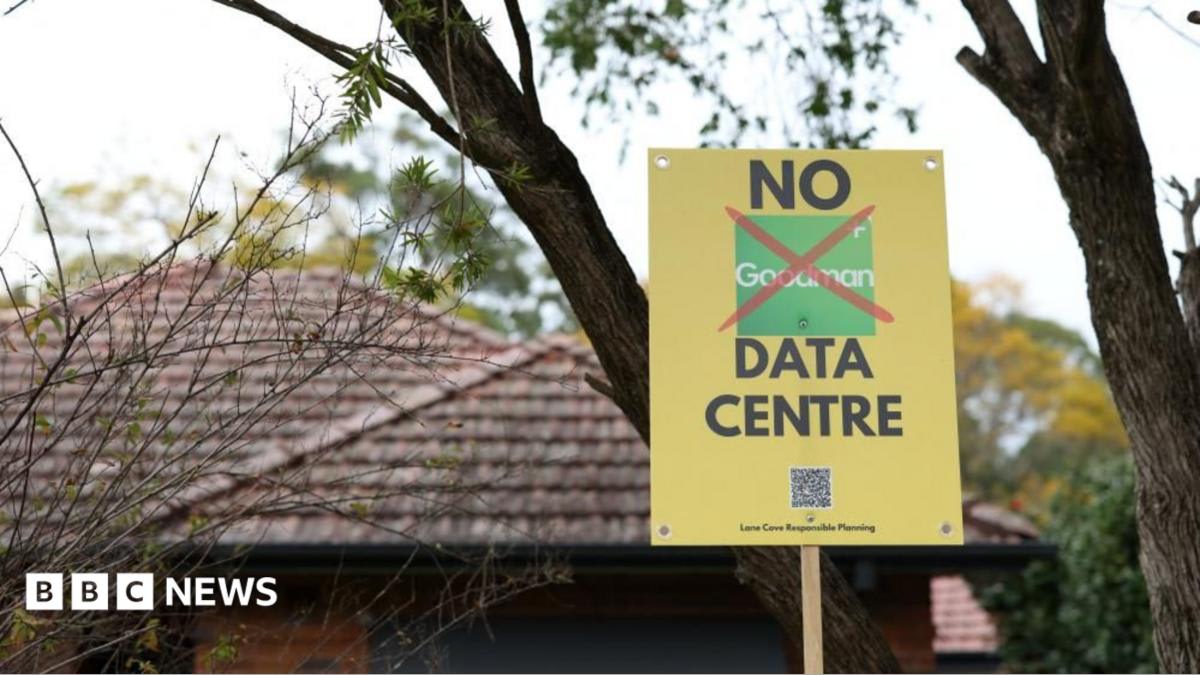
Australia is emerging as a global hub for data centers due to its abundant energy resources. However, local residents in areas like Sydney are raising concerns regarding noise pollution and the environmental impact of these massive facilities.
The Rapid Expansion of Data Infrastructure in Australia
Australia has rapidly ascended as a premier global destination for the construction of data centers, driven by a unique combination of geographic and economic advantages. Investors are increasingly drawn to the nation's significant natural gas reserves, vast available land, and a growing capacity for clean energy production. This infrastructure is essential for the global digital economy, supporting everything from cloud computing to the burgeoning field of artificial intelligence, as evidenced by recent interest from industry leaders like OpenAI’s Sam Altman.
The Human Cost: Noise Pollution and Quality of Life
While the macro-economic benefits are touted by proponents, the micro-level impact on local communities is becoming increasingly contentious. Residents in areas such as Sydney’s lower north-shore suburb of Lane Cove are reporting persistent noise disturbances. Described as a constant humming or a high-pitched whine comparable to a jet engine, this sound pollution has become a daily reality for those living in proximity to these facilities. For residents like Lucy, the proximity of a data center—located just 350 meters from her home—has fundamentally altered the residential experience, turning a desirable neighborhood into a site of ongoing acoustic stress.
Industrial Expansion vs. Residential Zoning
The tension between industrial utility and residential living is reaching a boiling point in Sydney. With four additional data centers currently in the pipeline for the local industrial park in Lane Cove, the scale of development suggests that the issue of noise pollution is unlikely to dissipate without intervention. The sheer physical size of these structures, coupled with the cooling systems required to maintain server temperatures, creates an industrial footprint that often clashes with the expectations of suburban residents who were not prepared for such heavy-duty infrastructure to be situated so close to their front doors.
The Economic Debate: Jobs vs. Resource Consumption
A broader economic debate is currently unfolding regarding the net benefit of these installations. Advocates argue that the massive influx of capital into the data center sector will stimulate the Australian economy and generate significant employment opportunities. Conversely, critics remain skeptical, questioning whether the jobs created are sufficient to offset the massive consumption of local resources. There is a growing concern that these facilities may 'suck up' critical energy and water resources while providing minimal tangible advantages to the immediate local populations that bear the burden of their presence.
Future Trends and Regulatory Challenges
Looking ahead, the Australian government and local councils will likely face mounting pressure to refine planning regulations. As the digital demand for high-compute infrastructure grows, the conflict between urban densification and industrial requirements will require more sophisticated mitigation strategies. Future trends will likely include stricter acoustic zoning laws and a greater emphasis on 'green' data centers that utilize noise-dampening technologies to maintain harmony with surrounding residential areas. Balancing the nation's ambition to be a global tech hub with the fundamental right to quiet enjoyment of one's home will be the defining challenge for urban planners in the coming decade.