Australia raises benchmark rates to 15-year high as it fights sticky inflation
Source Entity
US Top News and Analysis
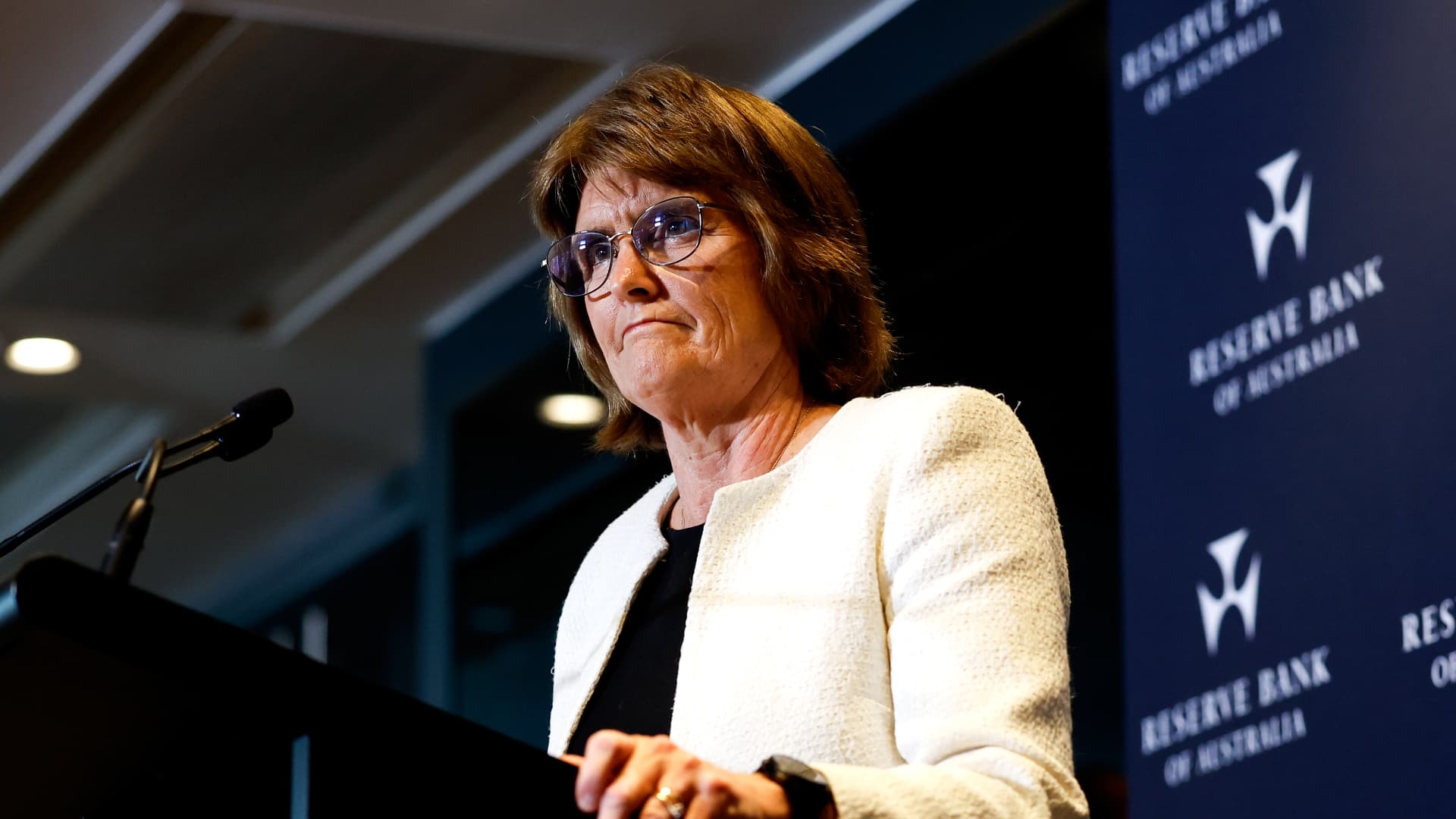
The Reserve Bank of Australia has increased interest rates by 25 basis points to a 15-year high of 4.6%. This decision aims to combat persistent inflation exacerbated by geopolitical tensions in the Middle East.
Australia Tackles Inflation with 15-Year High Interest Rates
The Reserve Bank of Australia (RBA) has taken a decisive step in its ongoing battle against persistent inflation by raising its benchmark interest rate by 25 basis points. This adjustment brings the key rate to 4.6%, a level not seen in the country for 15 years. The move, which aligns with forecasts from economists polled by Reuters, underscores the RBA's commitment to cooling an economy currently facing significant price pressures.
The Drivers of Monetary Policy
At the heart of this decision is the RBA’s struggle to manage inflation that has proven to be remarkably "sticky." Governor Michele Bullock has emphasized that the bank's future policy moves will remain data-dependent, reflecting a cautious approach to balancing growth and price stability. The current inflationary environment is heavily influenced by external factors, most notably the ongoing conflict in the Middle East, which has disrupted supply chains and increased energy-related costs, forcing central banks globally to reconsider their monetary stance.
A Year of Tightening
This latest increase is the fourth hike implemented by the RBA this year, totaling 100 basis points. The cumulative effect of these hikes represents a significant shift from the low-interest-rate environment that characterized the post-pandemic recovery. By tightening credit conditions, the RBA aims to dampen consumer demand and domestic spending, which are key components in the broader effort to bring the Consumer Price Index back toward the target range.
Economic Implications and Future Outlook
Looking ahead, the Australian economy faces a delicate balancing act. While the 15-year high in rates is necessary to curb inflation, it also increases the debt-servicing burden for households and businesses alike. The RBA’s strategy of relying on incoming economic data suggests that policymakers are prepared to remain flexible; they are neither committing to a permanent pause nor ruling out further hikes if inflation figures remain elevated.
Conclusion
In summary, the RBA's decision to raise rates to 4.6% is a direct response to a complex global economic landscape. By acknowledging the impact of geopolitical instability on domestic prices, the central bank is attempting to anchor inflation expectations. The path forward remains contingent on how effectively these rate hikes can slow the economy without triggering a severe contraction, leaving the RBA to navigate a narrow corridor of fiscal management in the months to come.