Red Bull challenges food safety regulator’s ban on ‘energy drink’ label
Source Entity
The Indian Express
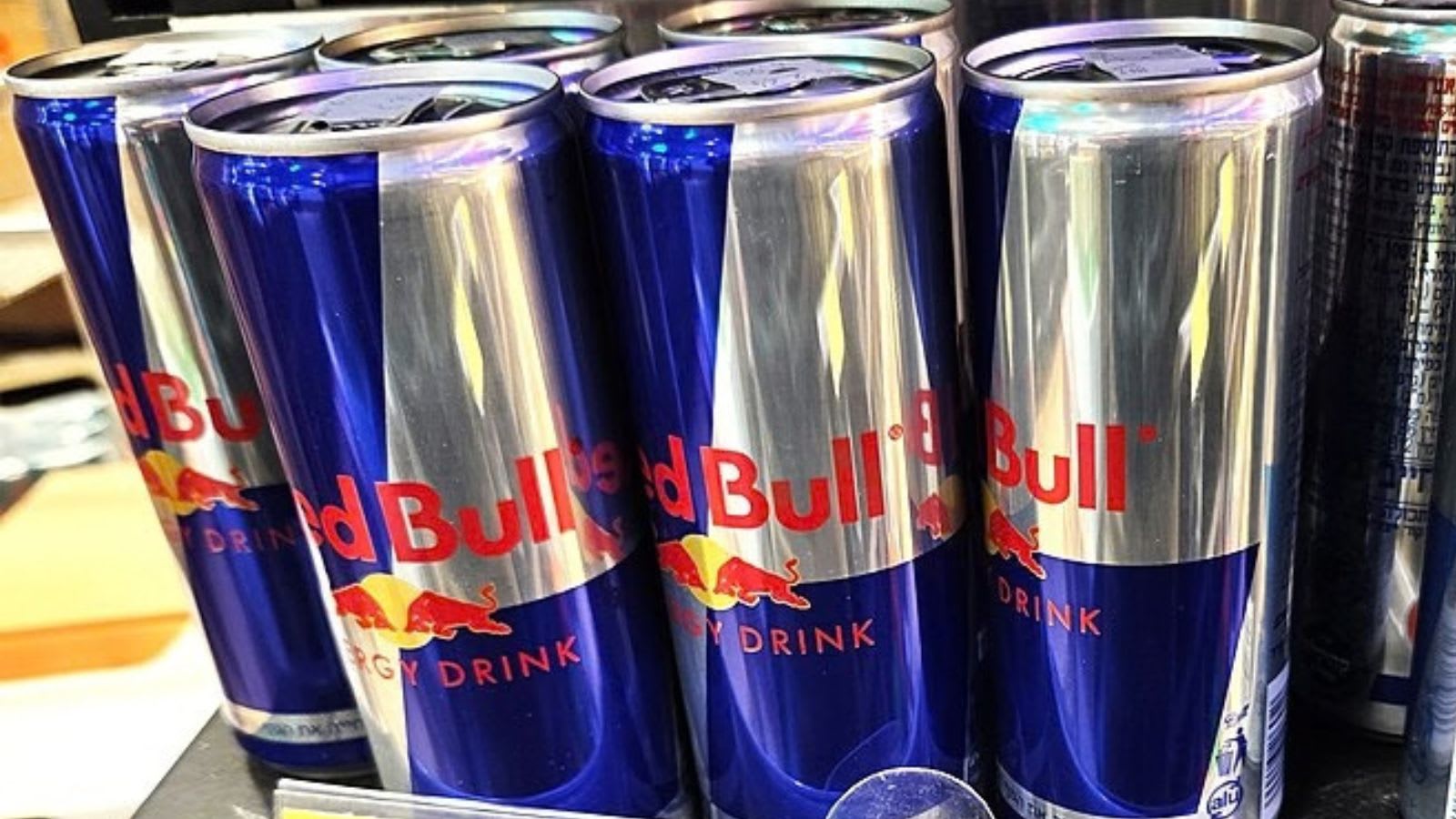
Red Bull India has filed a petition in the Delhi High Court contesting an FSSAI directive that bans the use of the 'energy drink' label on its products. The company argues the regulator failed to follow due process, creating significant regulatory uncertainty for its Indian operations.
Red Bull Challenges FSSAI Labeling Mandates in Delhi High Court
The Core Dispute Over Categorization
The Austrian beverage giant, Red Bull, has officially initiated legal proceedings in the Delhi High Court against the Food Safety and Standards Authority of India (FSSAI). At the heart of this confrontation is a regulatory directive that prohibits the use of the term "energy drink" on high-caffeine beverages. Red Bull contends that this sudden prohibition lacks the necessary procedural transparency and was implemented without providing the company adequate notice or an opportunity to be heard, raising significant questions regarding administrative due process.
Procedural Concerns and Due Process
Red Bull’s primary argument hinges on the claim that the FSSAI bypassed standard regulatory protocols before enforcing the ban. In the landscape of Indian food safety law, significant changes to labeling requirements typically require a consultative approach involving stakeholders. By allegedly issuing the order without prior notice, the regulator has created a climate of uncertainty, which Red Bull argues is detrimental to its long-term investment strategy and brand identity within the Indian market.
Market Implications and Brand Identity
For a global entity like Red Bull, the "energy drink" descriptor is not merely a marketing term but a globally recognized classification that informs consumers about the product's functional nature. The forced removal or alteration of this descriptor in India poses a logistical challenge for the company, potentially impacting supply chains and consumer perception. This case highlights the broader friction between global branding standards and localized regulatory interpretations in the Indian food and beverage sector.
The Regulatory Environment in India
This legal challenge serves as a testament to the increasingly rigorous oversight by the FSSAI. As the authority continues to tighten standards for caffeinated products, companies are finding themselves navigating a complex web of compliance. The outcome of this case could set a vital precedent for how multinational corporations manage regulatory shifts in India and how much leeway the FSSAI must grant when redefining product classifications.
Future Trends and Judicial Oversight
As the Delhi High Court begins its review of the filing, the case will likely serve as a litmus test for the balance between public health-focused regulation and corporate operational stability. If the court rules in favor of Red Bull, it may mandate a more collaborative regulatory framework for future labeling changes. Conversely, a victory for the FSSAI would solidify the regulator's authority to unilaterally define product categories, potentially forcing other beverage brands to reconsider their labeling strategies in the Indian market.
Conclusion
The confrontation between Red Bull and the FSSAI is a critical indicator of the growing pains associated with India's evolving food safety standards. While the regulator aims to ensure consumer safety through stricter classification, the legal battle underscores the necessity for procedural fairness. Stakeholders across the industry will be watching closely as this case unfolds, as it will likely define the parameters for future compliance and regulatory communication in the nation's competitive beverage landscape.