India's dead EV batteries could be a ₹1 lakh crore goldmine: Study
Source Entity
Latest News: Todays Latest News Headlines from India & World | Hindustan Times | Hindustan Times
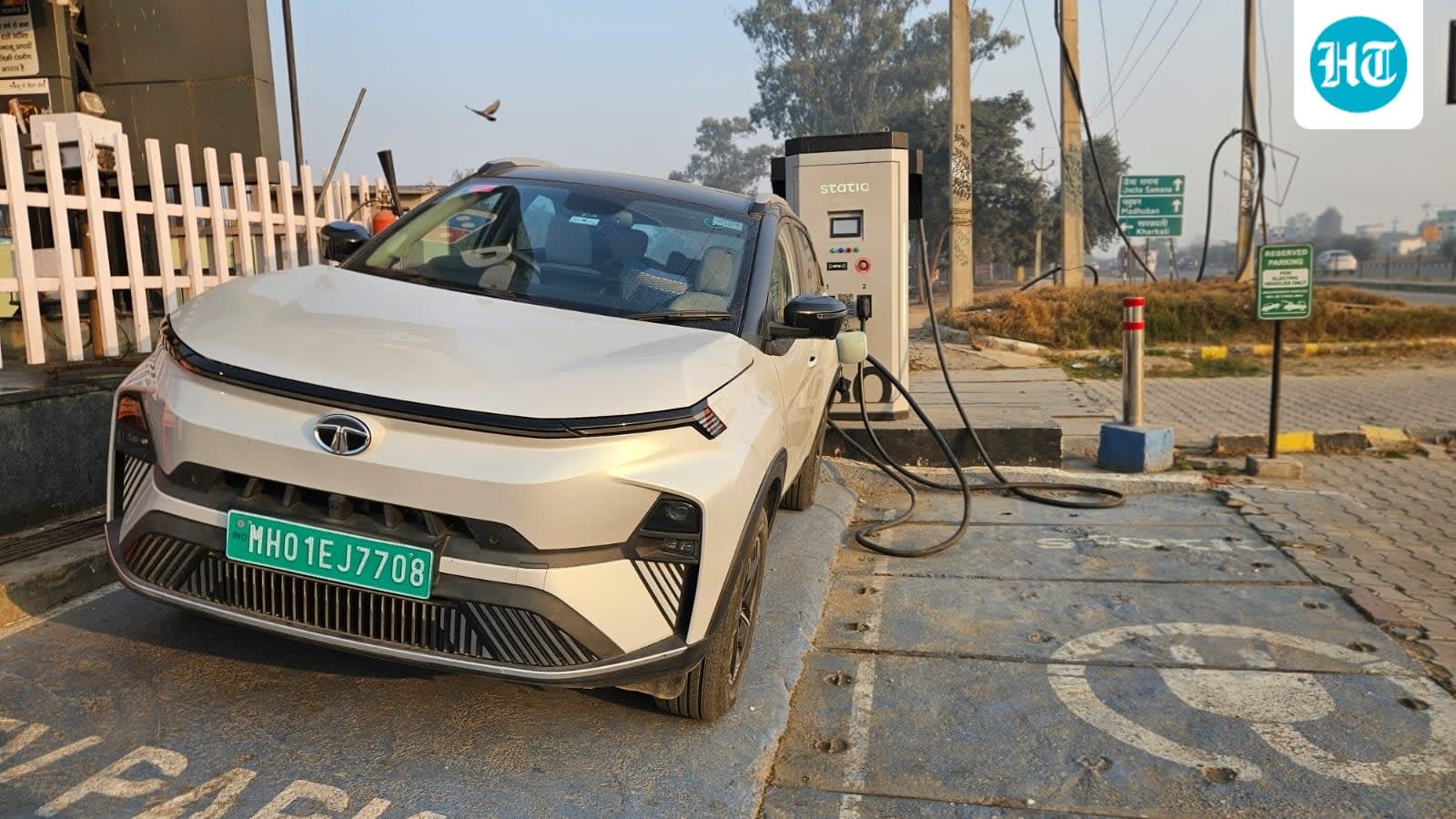
A new CSEP study highlights that India's retired EV batteries could represent a ₹1.01 lakh crore economic opportunity by FY2040-41. Experts urge immediate investment in recycling infrastructure to manage the projected surge in EV adoption and mineral recovery.
The Economic Potential of India's EV Battery Ecosystem
A groundbreaking working paper from the Centre for Social and Economic Progress (CSEP) suggests a paradigm shift in how India views electric vehicle (EV) waste. Rather than treating retired batteries solely as hazardous material, the study identifies a staggering ₹1.01 lakh crore goldmine of recoverable minerals projected to be available by FY2040-41. This analysis highlights a transformative opportunity to transition from a waste-management mindset to a resource-recovery model.
Scaling for a Greener Future
The projections provided by CSEP fellows Shyamasis Das and Kartik Nair are rooted in aggressive growth trajectories for the Indian EV sector. With annual EV sales expected to reach 9.1 million by FY2030-31 and ballooning to nearly 49.9 million by FY2037-38, the sheer volume of batteries reaching the end of their first life will be unprecedented. This rapid scaling provides the necessary scale to make large-scale recycling facilities commercially viable, turning an environmental challenge into a robust industrial sector.
Strategic Mineral Independence
At the core of this finding is the recovery of critical minerals that are currently imported. By establishing a domestic recycling infrastructure, India can potentially mitigate its reliance on global supply chains for essential battery components. The CSEP paper emphasizes that the value locked in these batteries is not just theoretical; it is a vital step toward achieving self-sufficiency in a sector that will define the automotive landscape of the next two decades.
The Urgency of Proactive Infrastructure
Shyamasis Das explicitly warns that India cannot afford a reactive approach. Waiting for millions of batteries to accumulate before developing recycling capacity would lead to environmental degradation and missed economic opportunities. The infrastructure requires significant lead time for investment, regulatory framing, and technological integration, making the current period critical for policy intervention.
Challenges and Future Outlook
While the financial outlook is promising, the transition requires a coordinated effort between policymakers, private investors, and waste management experts. The study underscores that the success of this 'goldmine' depends on identifying the right battery chemistries and optimizing recovery processes. As India continues its push toward decarbonizing its transport sector, the synergy between EV adoption and a circular battery economy will be the definitive factor in long-term sustainability.
Verification Required?