Why Australia’s proposed student visa rules might hit Indian applicants hardest
Source Entity
The Indian Express
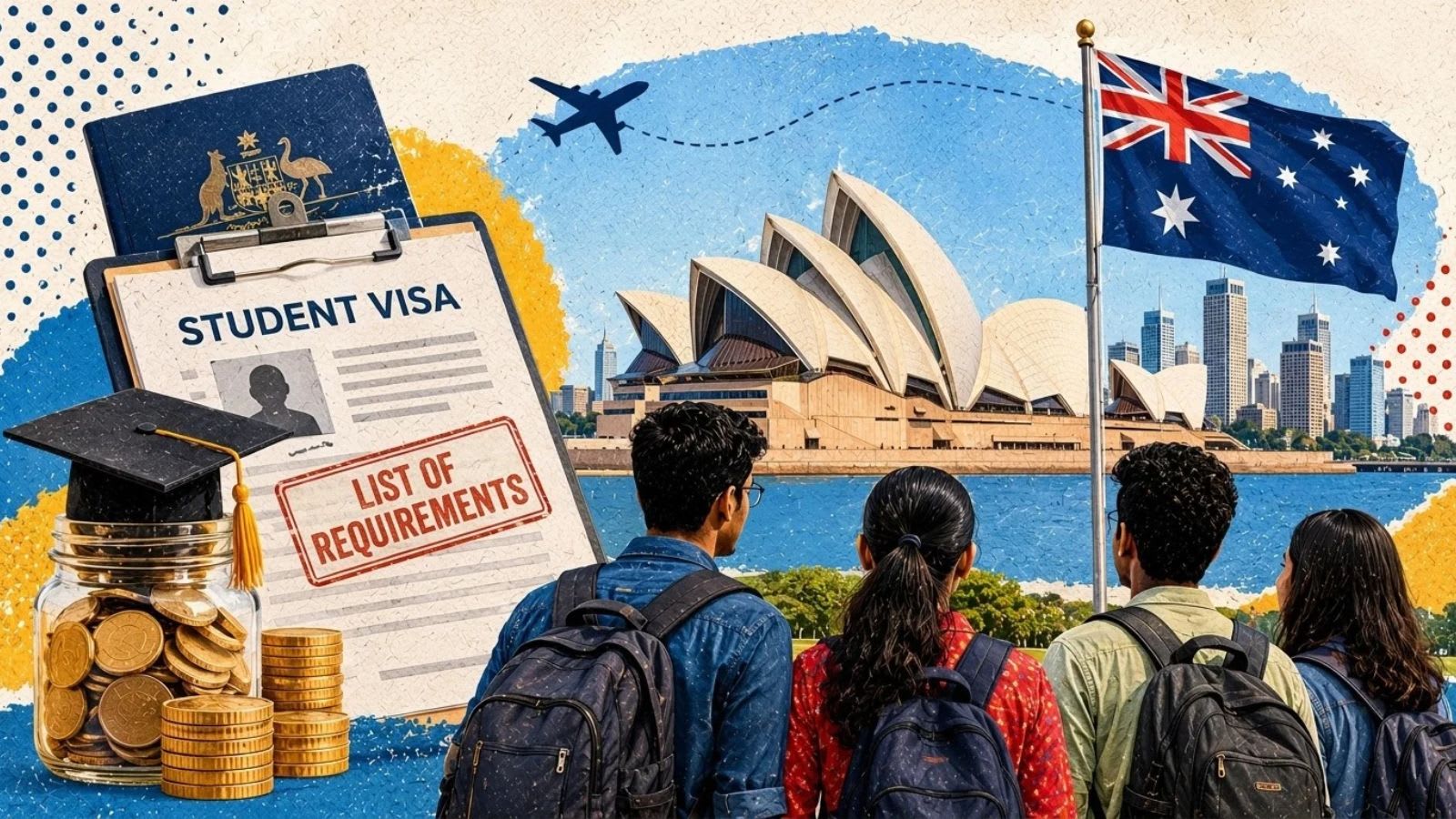
Australia is proposing stricter student visa requirements to curb fraud, which may disproportionately affect Indian applicants. Moving India to a high-risk 'Evidence Level 3' tier requires students to provide more rigorous financial documentation.
The Shifting Landscape of Australian Student Visas
Australia’s recent proposal to tighten student visa regulations marks a significant pivot in its international education policy. By framing these adjustments as a necessary measure to strengthen system integrity, curb migration fraud, and shield students from exploitation, the Australian government is attempting to recalibrate its immigration framework. However, the operational reality of these changes suggests a more arduous path for international students, particularly those from India, who have traditionally formed a cornerstone of Australia's higher education sector.
The Impact of Evidence Level 3
The core of this policy shift resides in the reclassification of India to 'Evidence Level 3' as of January 2026. This designation—shared with countries like Nepal, Bangladesh, and Bhutan—is categorized as the highest-risk tier within the Australian visa system. For applicants, this is not merely a bureaucratic label; it translates into a mandatory increase in the burden of proof. Students are now expected to furnish extensive financial documentation and demonstrate access to liquid funds much earlier in the application process, creating significant hurdles for families planning their educational investments.
Strategic Intent and Economic Implications
From a policy perspective, the government's move is a response to the rapid influx of international students and the associated concerns regarding the quality of education and the potential for visa misuse. By raising the financial barrier to entry, Australia aims to ensure that incoming students are adequately supported and less susceptible to labor exploitation. While the intent is to sanitize the system, the economic implication for the Australian higher education sector—which relies heavily on tuition revenue—could be a cooling effect on enrollment numbers from South Asia.
The Consultation Phase and Uncertainty
It is critical to note that the current situation remains fluid. The Home Affairs department has confirmed that no final decisions have been enacted, and the proposal remains subject to public and stakeholder feedback until the deadline of November 23, 2026. This window of consultation provides an opportunity for educational institutions and advocacy groups to voice concerns regarding the potential for systemic exclusion, particularly if the financial requirements become prohibitively high for middle-income families.
Future Trends and Conclusion
Looking ahead, the trajectory of Australian immigration policy appears to be leaning toward more stringent, risk-based vetting. As the government attempts to balance the economic benefits of international education with the political pressure to manage migration numbers, countries classified as 'high-risk' will likely face persistent scrutiny. For Indian applicants, navigating these evolving requirements will necessitate greater financial preparedness and early engagement with legal and educational advisors to ensure compliance with the changing standards.