Car dealerships are relying more on parts and service for profits
Source Entity
US Top News and Analysis
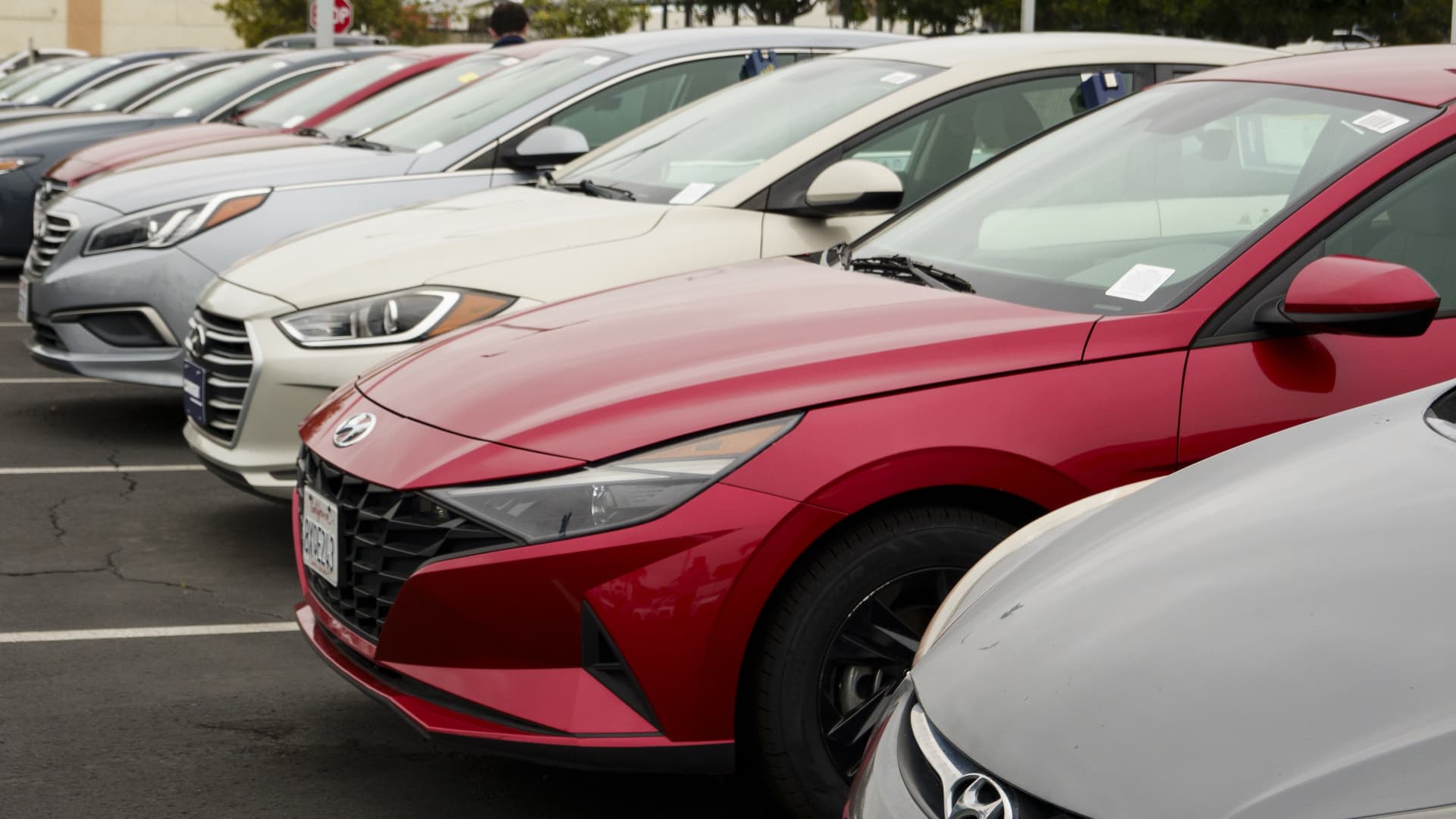
Auto dealerships are shifting their profit focus toward parts, services, and finance departments as new vehicle sale margins decline. This strategic pivot serves as a financial hedge to stabilize revenue following the supply-constrained highs of 2022.
The Shifting Economics of Auto Retail
The automotive retail landscape is undergoing a significant transition as the industry moves away from the anomalies of 2022. During the supply-constrained period following the pandemic, dealers experienced record-breaking gross profits driven by limited inventory and high consumer demand for new vehicles. As supply chains have stabilized and inventory levels have normalized, the leverage dealerships once held has diminished, leading to a softening in profit margins on new vehicle sales.
The Four Pillars of Dealership Profitability
To understand this evolution, one must look at the four distinct profit streams that define the dealership business model: new vehicle sales, used vehicle sales, parts and service departments, and finance and insurance (F&I) offices. Historically, these pillars have allowed dealerships to maintain profitability regardless of broader macroeconomic conditions. While new vehicle sales are highly cyclical and sensitive to interest rates and consumer confidence, the service and F&I sectors offer a more reliable, recurring revenue stream.
Prioritizing Service and Finance
As profit margins on new car sales contract, dealerships are intensifying their focus on parts, service, and finance departments. These segments act as a strategic hedge against downturns. When consumers delay purchasing new cars due to economic uncertainty, they tend to hold onto their existing vehicles longer, which inevitably increases the demand for maintenance, repairs, and genuine parts. This shift ensures that even when the showroom floor is quiet, the service bays remain a critical engine for revenue.
Strategic Hedging in a Volatile Market
Industry experts, such as Erin Kerrigan of Kerrigan Advisors, have noted that the auto retail sector remains an inherently attractive and hedged business model. By diversifying their income sources, dealers insulate themselves from the volatility of the automotive manufacturing cycle. The current pivot toward service-oriented revenue is not merely a reaction to falling new car margins, but a deliberate optimization of the dealership's operational strengths.
Future Trends and Resilience
Looking ahead, the reliance on service and finance is likely to become a permanent fixture of dealership strategy. As vehicles become increasingly complex—incorporating advanced software and proprietary hardware—the barrier to entry for independent repair shops rises, further cementing the dealership's role as the primary service provider. This structural shift suggests that the most successful dealerships will be those that prioritize high-margin service retention and sophisticated F&I offerings over pure volume-based vehicle sales in the coming years.