'We'll be kingmakers in UP polls': Azad bets big on tie-up with Owaisi
Source Entity
ISMAT ARA
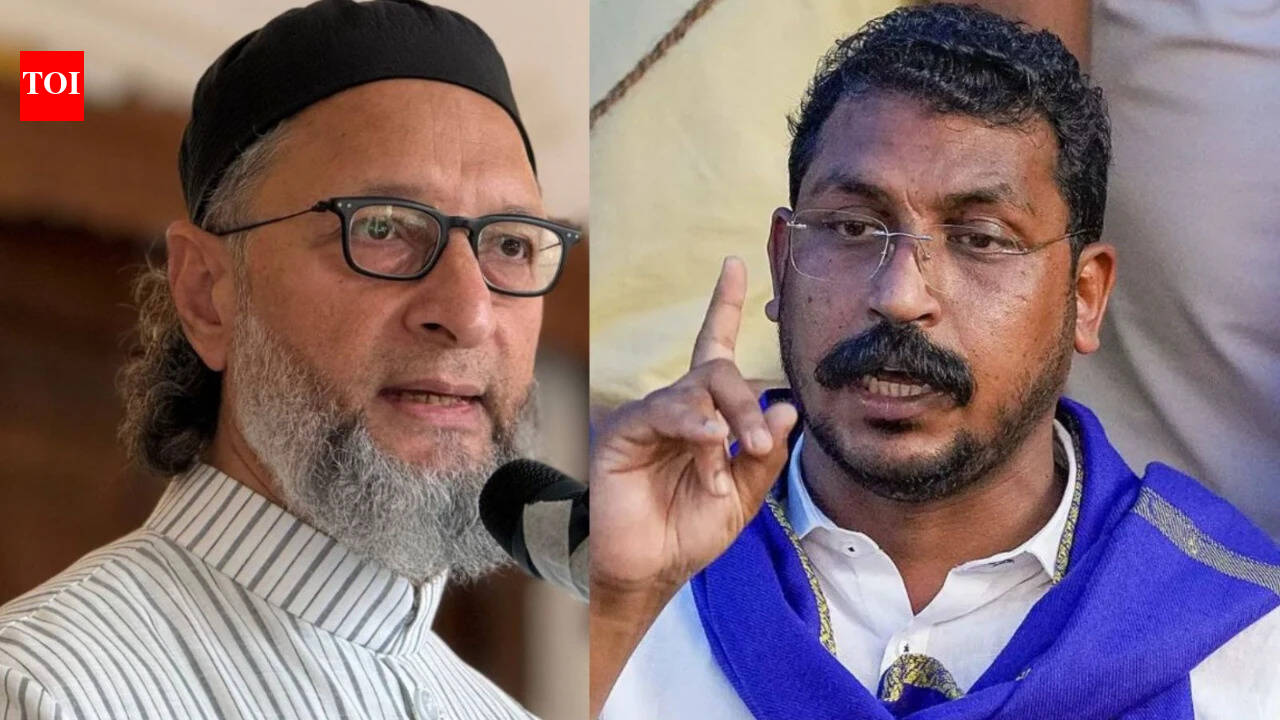
Chandrashekhar Azad and Asaduddin Owaisi have formed an alliance in Uttar Pradesh to consolidate Dalit-Muslim support ahead of the 2027 elections. While they aim to challenge the BJP, critics like Ajay Rai argue this move could splinter the opposition vote and indirectly favor the ruling party.
The Emergence of the Dalit-Muslim Coalition in Uttar Pradesh
The political landscape of Uttar Pradesh is witnessing a significant transformation with the formalization of an alliance between Chandrashekhar Azad, leader of the Azad Samaj Party (Kanshi Ram), and Asaduddin Owaisi, the head of the All India Majlis-e-Ittehadul Muslimeen (AIMIM). This partnership, centered on the strategic consolidation of Dalit and Muslim voter bases, aims to position the alliance as a decisive 'kingmaker' in the upcoming 2027 Assembly elections. By advocating for a Dalit chief ministerial candidate, the leaders are attempting to shift the narrative away from traditional political power structures.
Strategic Objectives and Policy Focus
At the core of this political pact is a focus on socio-economic empowerment for marginalized communities. The alliance has explicitly stated that their agenda prioritizes reforms in education and rural development, targeting the systemic gaps that affect disadvantaged populations in the state. By organizing a major rally scheduled for November 26, the leaders intend to project collective strength and demonstrate a unified front capable of challenging the current political hegemony, specifically targeting the polarization tactics they attribute to the Bharatiya Janata Party (BJP).
Opposition Friction and Allegations of Vote Splitting
However, the alliance has faced immediate backlash from established opposition parties. Ajay Rai, former Uttar Pradesh Congress president, has leveled serious accusations against the duo, suggesting that their electoral strategy is designed to fragment the anti-BJP vote. Rai argues that by contesting separately from larger opposition coalitions, Azad and Owaisi risk weakening the collective strength of the opposition, potentially creating a vacuum that the BJP could exploit to secure electoral victories in key constituencies.
Historical Context and Political Polarization
This development occurs against a backdrop of intense political discourse in Uttar Pradesh, where identity politics remains a primary driver of electoral outcomes. Asaduddin Owaisi’s recent rhetoric, including his public criticism of mainstream politicians like Akhilesh Yadav regarding visits to the Ayodhya Ram Temple, underscores his focus on asserting Muslim identity within the state's political arena. This approach is intended to appeal to voters who feel marginalized by the mainstream political discourse, yet it simultaneously intensifies the debate over secularism and political representation.
Future Trends and Electoral Implications
Looking ahead, the success of this alliance will depend on its ability to translate ideological solidarity into tangible vote transfers. If the coalition manages to successfully mobilize the Dalit and Muslim demographics, they could significantly disrupt traditional voting patterns in regions where these communities hold substantial influence. However, if the electorate perceives the alliance as a spoiler that inadvertently benefits the incumbent government, the coalition may struggle to gain mainstream traction. The upcoming November 26 rally will serve as a critical litmus test for the coalition's organizational capacity and its ability to capture the public imagination in the lead-up to 2027.