From surya namaskar to dand baithak: Baba Ramdev’s 5-move fitness plan for Gen Z
Source Entity
The Indian Express
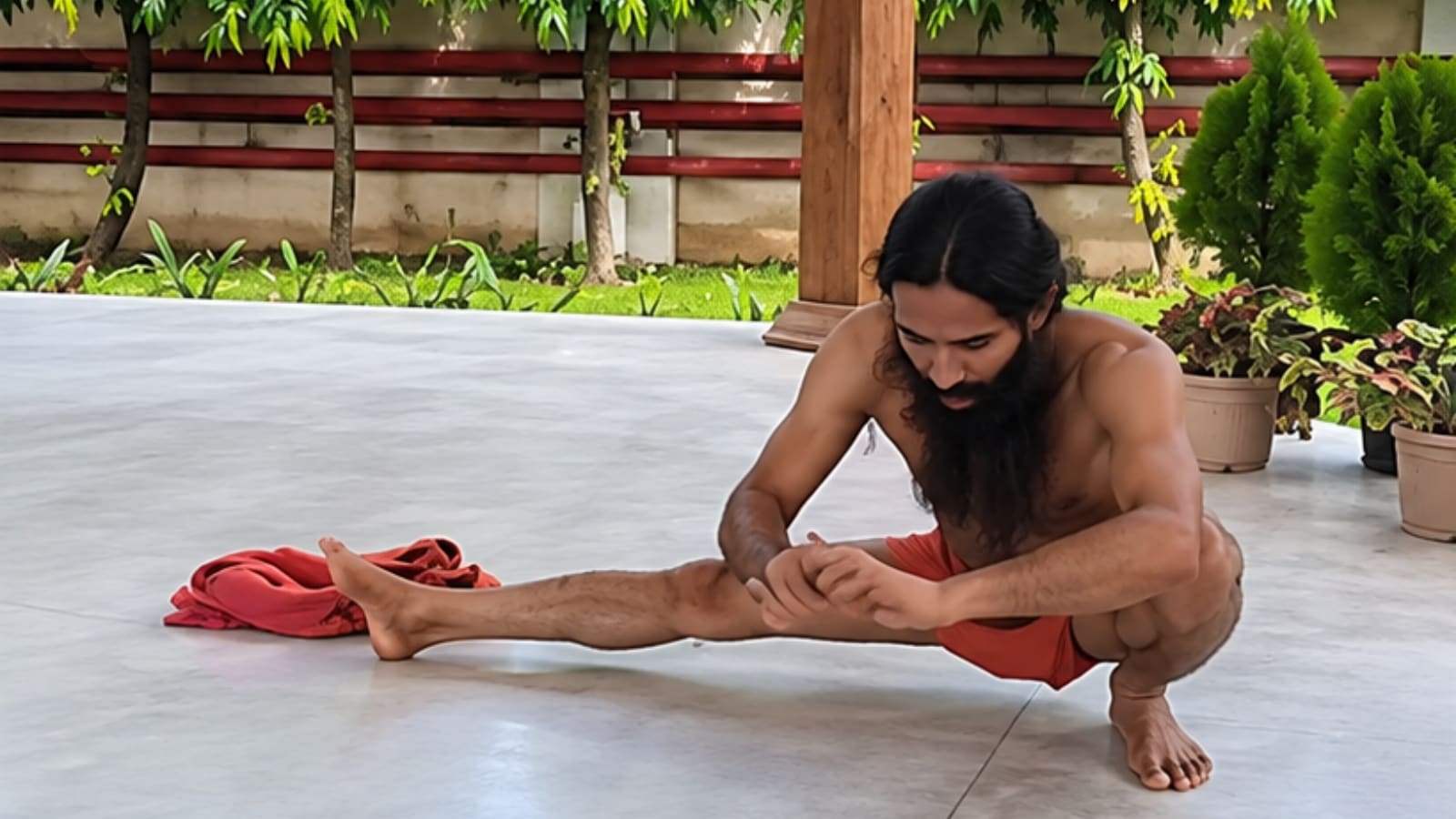
Yoga guru Baba Ramdev has introduced a five-move fitness routine specifically tailored for Gen Z to combat rising physical inactivity in India. He emphasizes traditional exercises like surya namaskar and cycling to address declining health awareness.
Bridging Tradition and Modernity: Baba Ramdev’s Fitness Initiative for Gen Z
Yoga guru Baba Ramdev has recently pivoted his focus toward India’s younger demographic, introducing a structured five-move fitness regimen designed to combat the sedentary lifestyle trends currently affecting Gen Z. By blending ancient yogic practices with modern cardiovascular activities, Ramdev aims to reignite a culture of physical discipline that he argues has significantly waned in contemporary Indian society.
The Crisis of Physical Inactivity
At the core of this initiative is a stern critique of modern lifestyle choices. Ramdev’s recent observations, shared via social media, highlight a concerning decline in health awareness among the youth. He posits that despite the availability of resources, a growing trend of lethargy has permeated society, causing people to neglect the fundamental necessity of physical exertion. By pointing out the contrast between international cycling habits and the current state of physical activity in India, he attempts to galvanize a shift in public behavior.
Integrating Traditional and Modern Workouts
The proposed fitness plan is a hybrid model that bridges the gap between traditional Indian exercises and modern cardio. By advocating for a routine that includes cycling, running, and the surya namaskar (sun salutation), Ramdev is promoting a holistic approach to fitness. The inclusion of 'dand baithak'—a traditional Indian squat exercise—further underscores his commitment to preserving indigenous movement patterns while addressing modern health challenges.
The Cultural Significance of 'Dand Baithak'
The emphasis on 'dand baithak' is particularly noteworthy as it represents a resurgence of interest in traditional calisthenics. These exercises require no specialized equipment, making them accessible to a broad demographic, including those who may not have access to modern gym facilities. By promoting these movements, Ramdev is not only offering a workout plan but also fostering a sense of cultural identity tied to physical health.
Implications for Future Public Health Trends
Looking ahead, this initiative could signal a shift in how wellness is communicated to Gen Z. If successful, this movement toward accessible, low-cost exercise could mitigate long-term health risks associated with sedentary habits, such as metabolic disorders and cardiovascular issues. As digital platforms continue to play a pivotal role in health advocacy, the success of this program will depend on the sustained engagement of the youth with these traditional modalities in a digital-first world.
Conclusion
Baba Ramdev’s five-move fitness plan serves as a call to action for a generation increasingly prone to inactivity. By championing a blend of cycle-based cardio and time-tested yoga-based strength training, he is positioning traditional Indian physical culture as the antidote to modern lifestyle diseases. The broader impact of this initiative remains to be seen, but it marks a significant attempt to institutionalize daily physical fitness as a non-negotiable aspect of the Indian lifestyle.